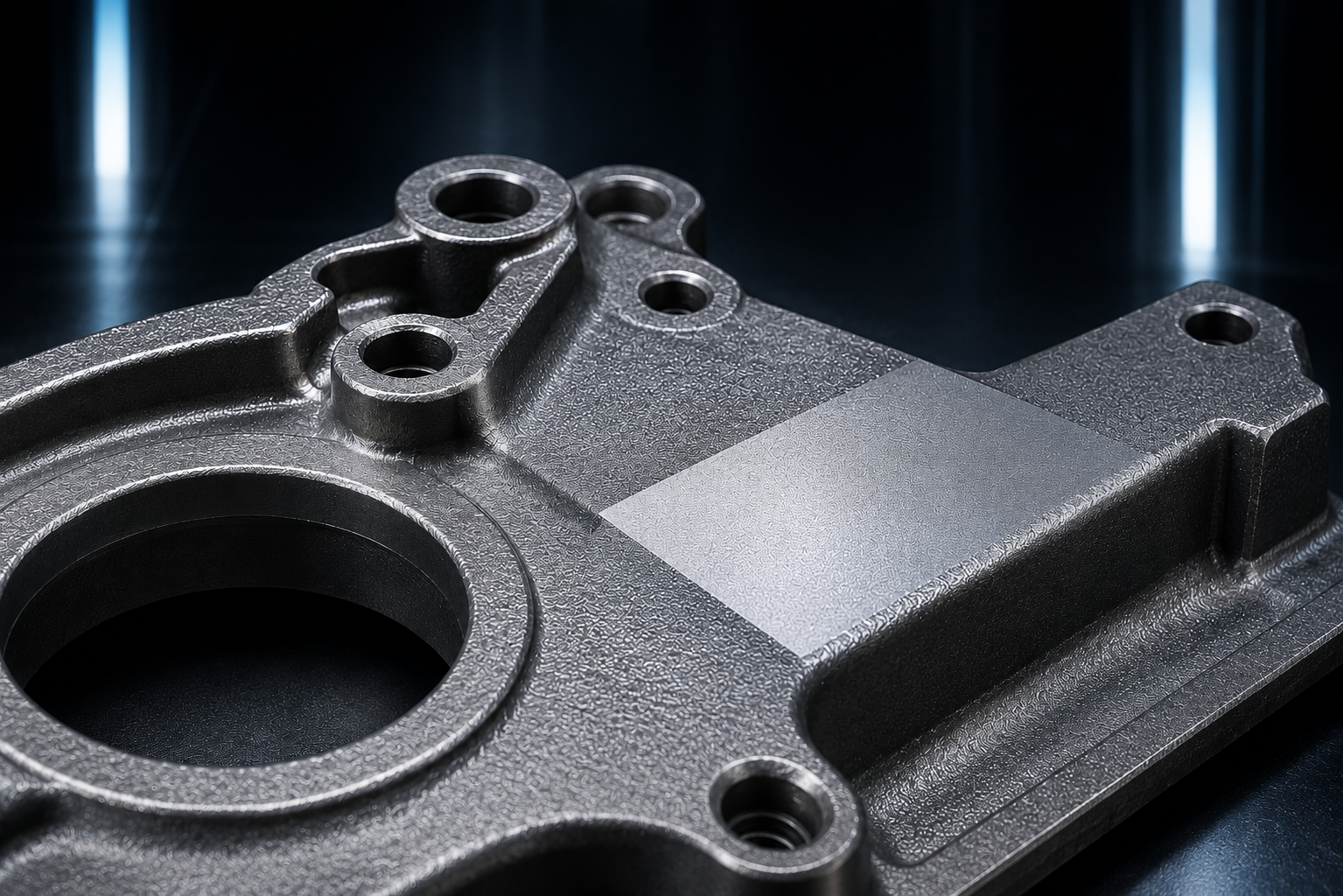
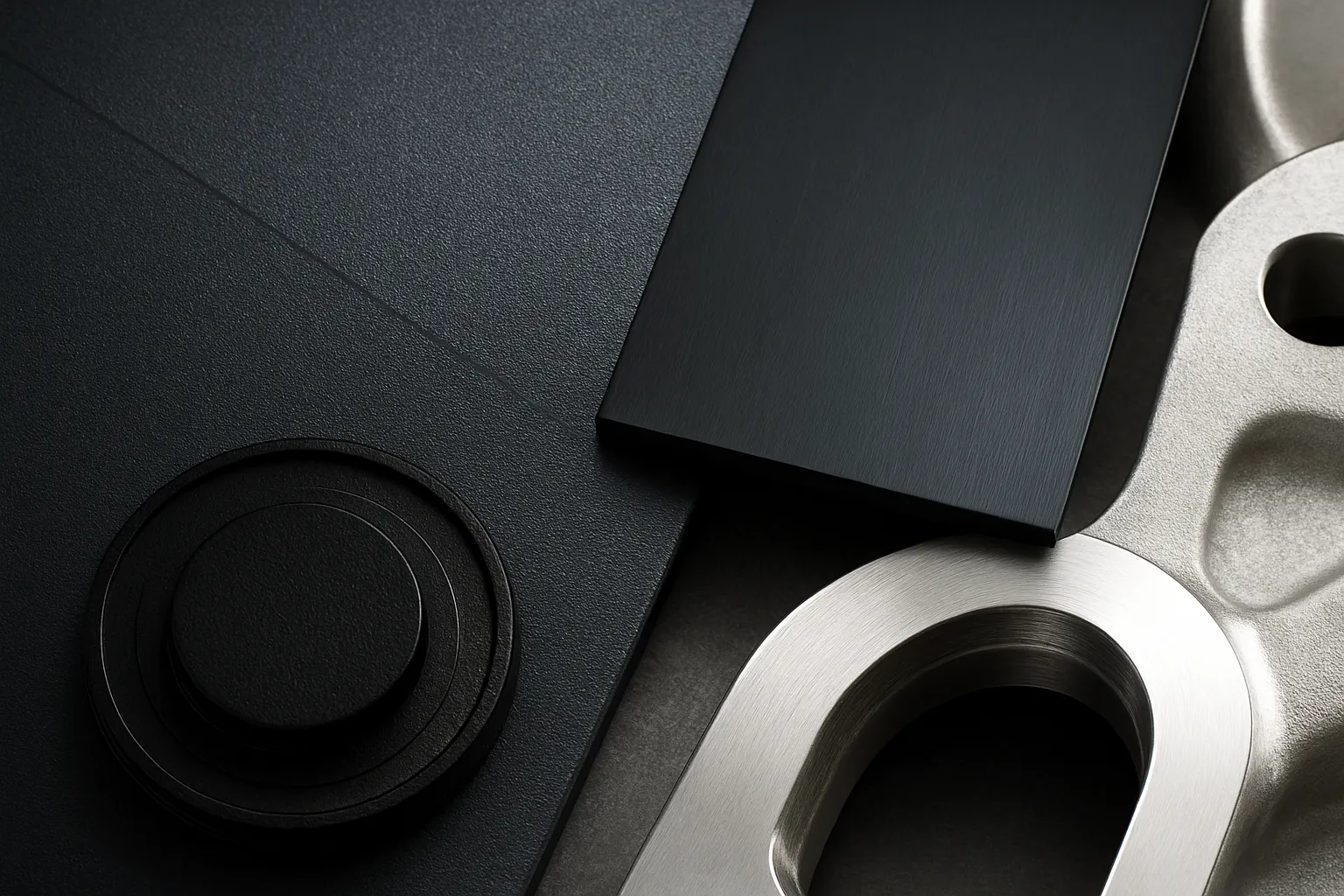
Laser Surface Treatment Contactless, Clean and High-Precision Technology
Laser surface treatment is one of the fastest-growing technologies in modern manufacturing, providing precise, controlled removal of contamination, oxide layers, paint, residues or coatings, while also enabling micro-level surface modification. The laser delivers exceptional control without physical contact, avoiding mechanical damage, leaving no residue and operating completely without consumables.
The technology is rapidly replacing traditional processes in automotive, electronics, injection molding, casting, battery manufacturing, composite production and industrial maintenance operations.
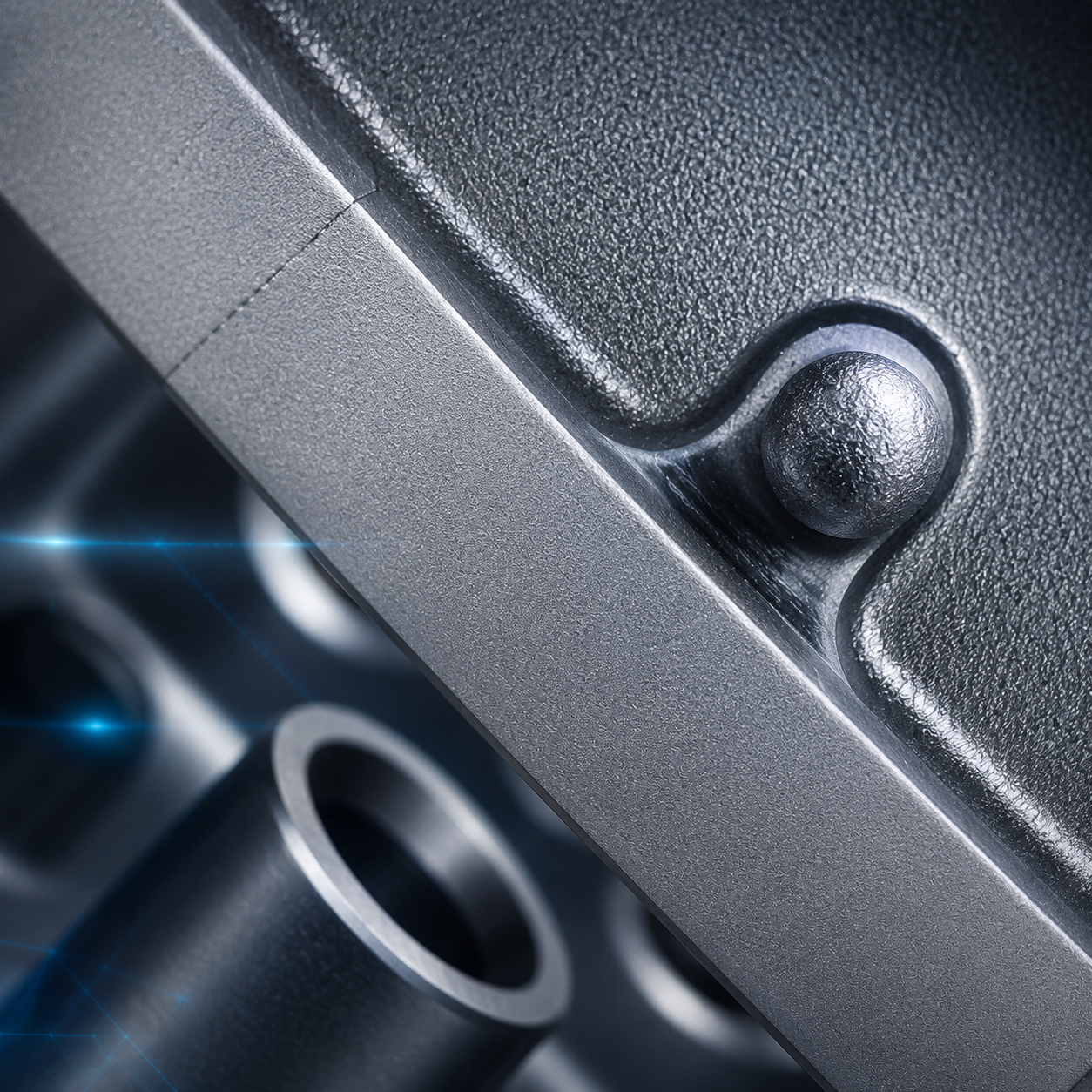
Why Laser Surface Treatment is the Most Advanced Industrial Alternative
Contactless, Micron-Precision Processing
Typical Industrial Use Cases
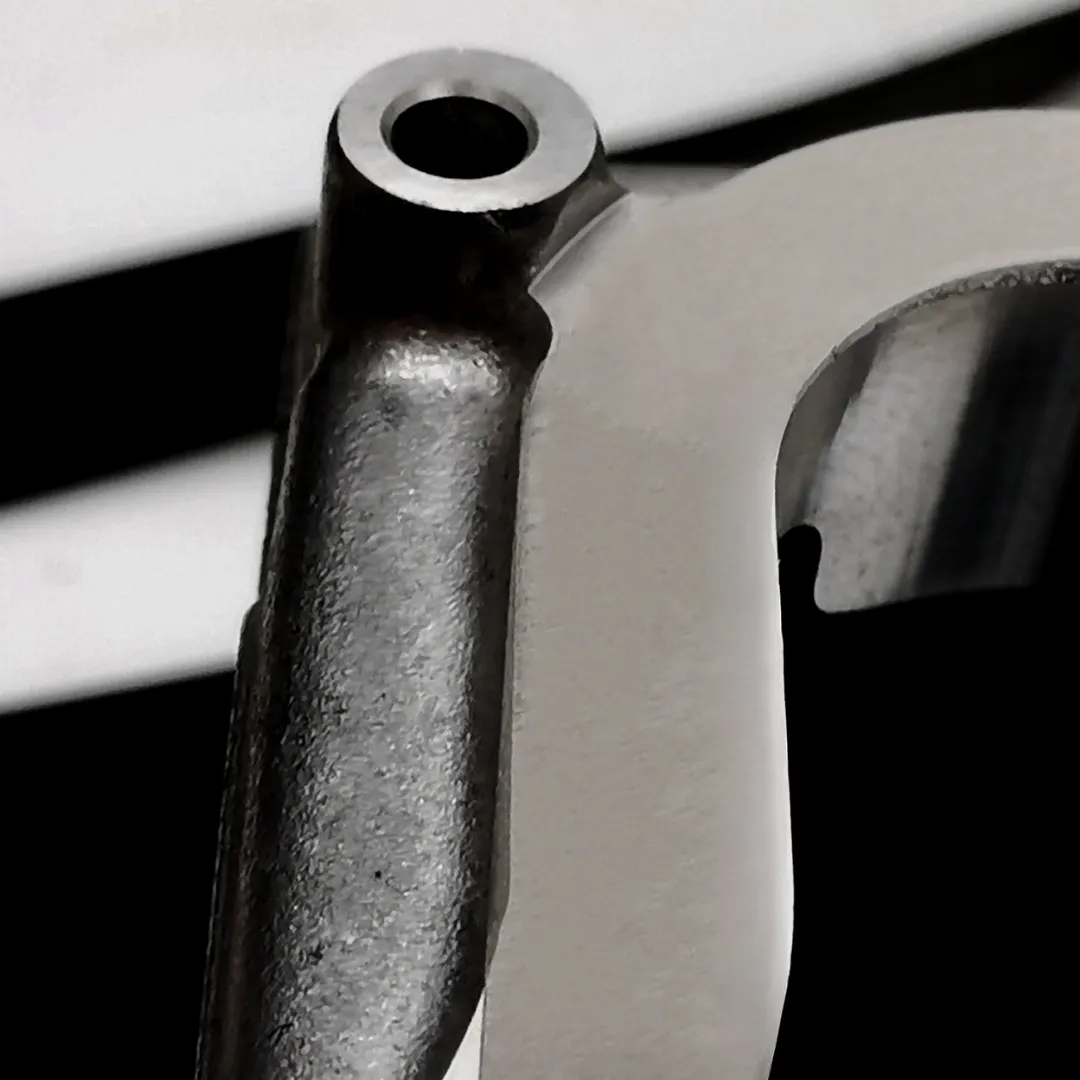
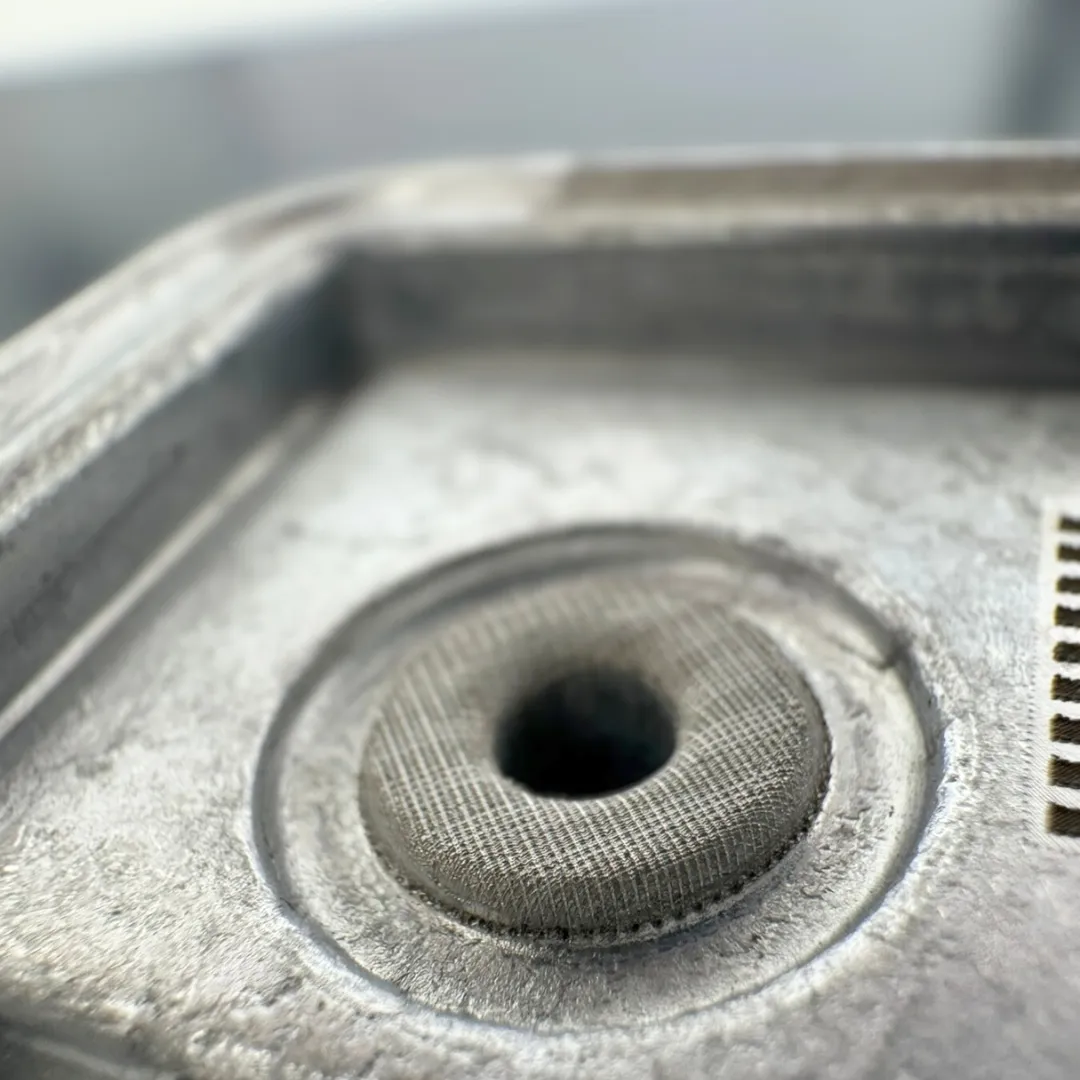
Laser Surface Treatment of Castings
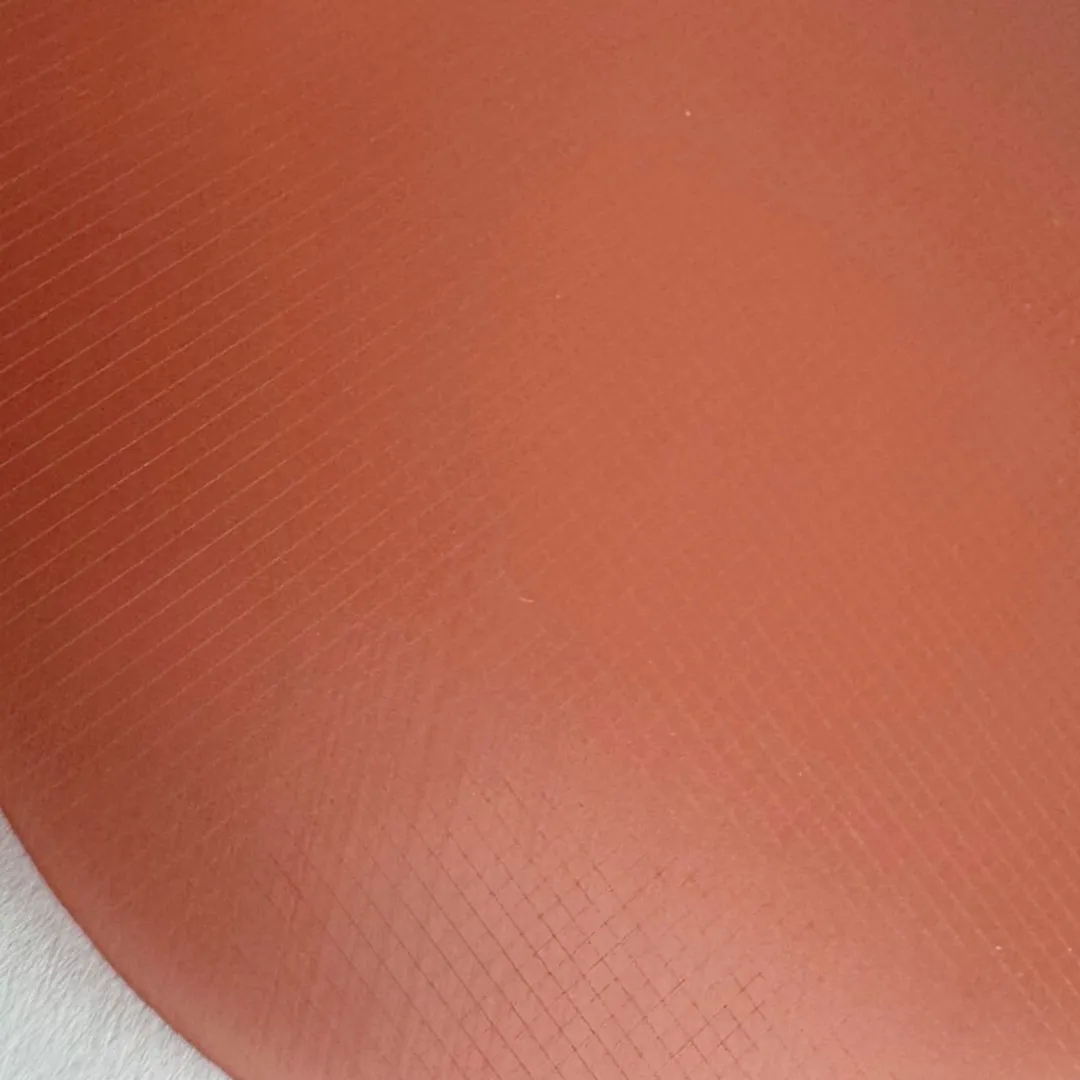
Laser Surface Treatment for Silicone and Plastic Components
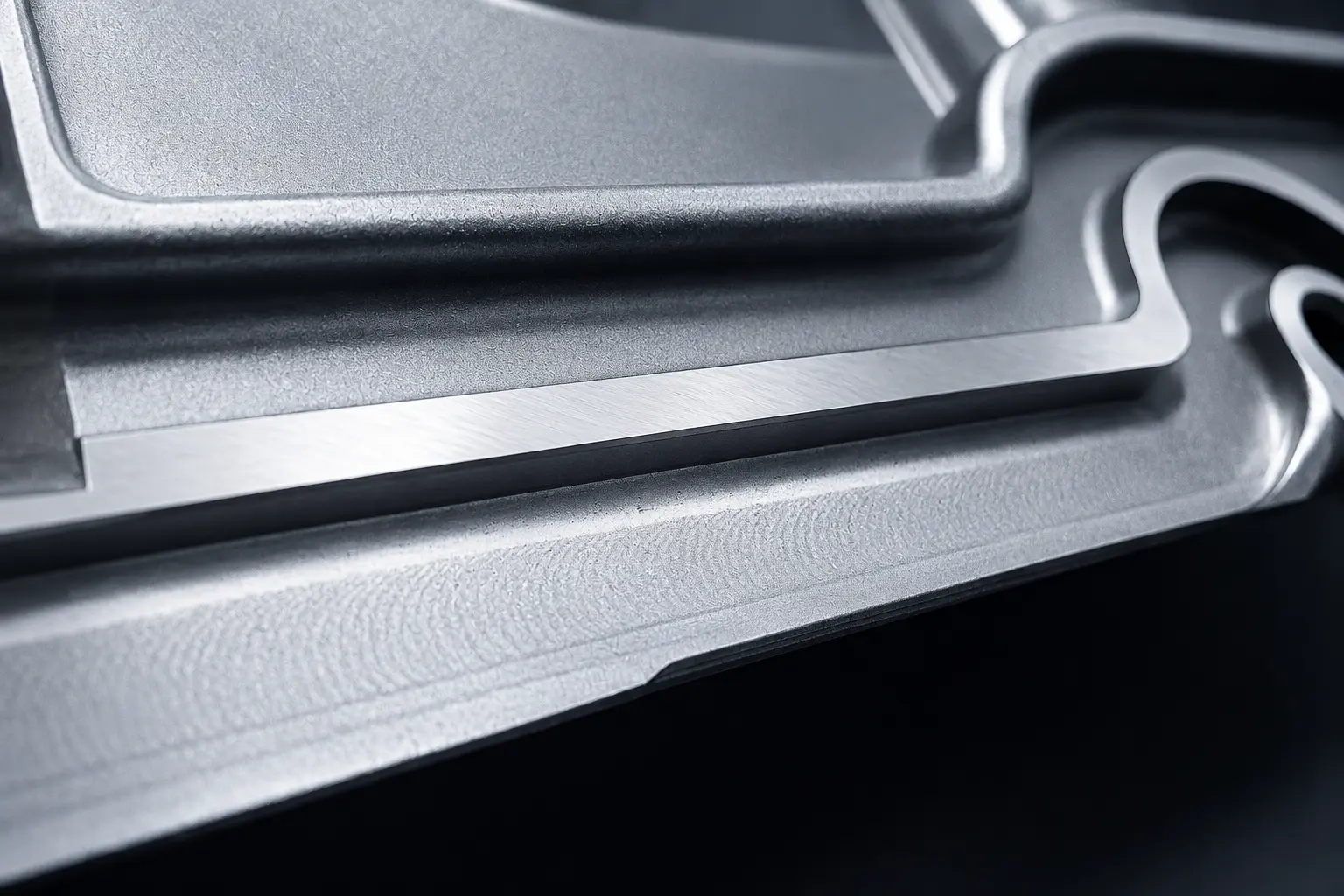
Laser Polishing System
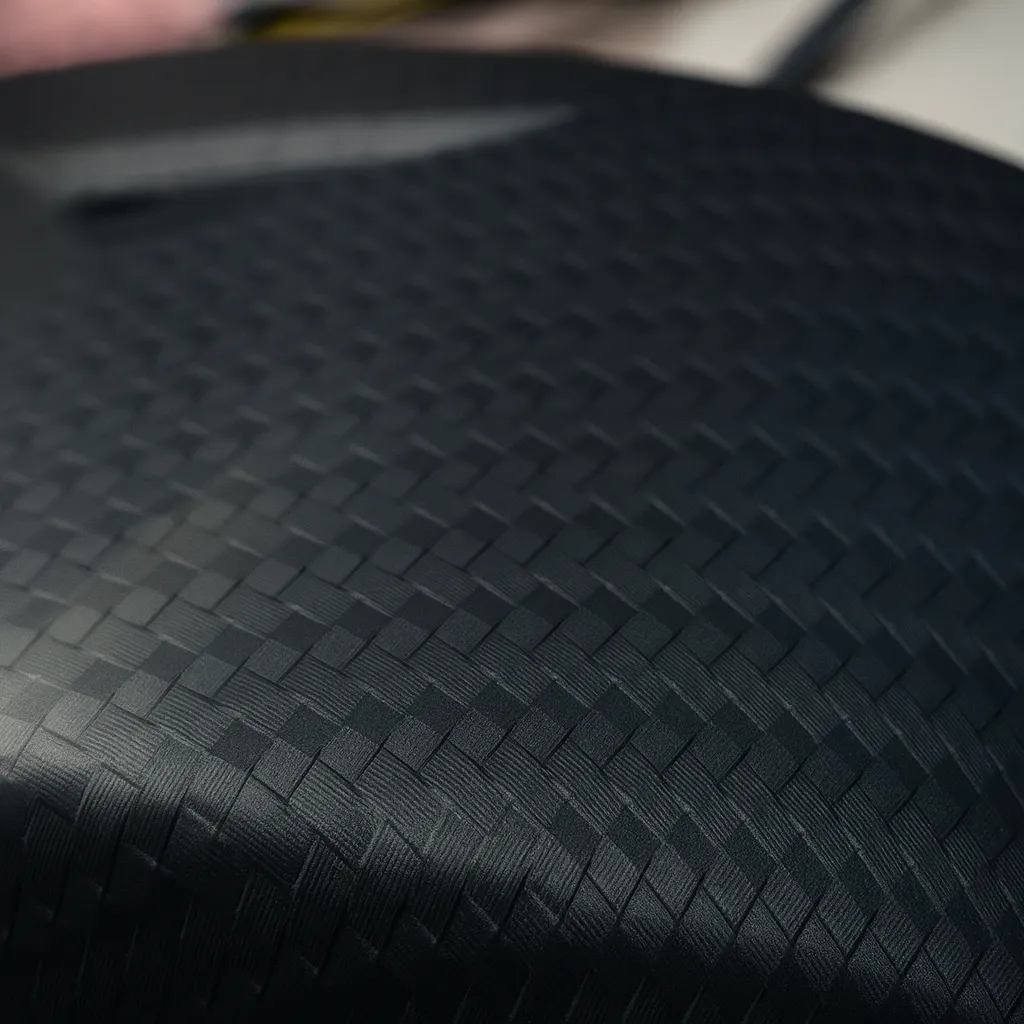
Laser Surface Activation System
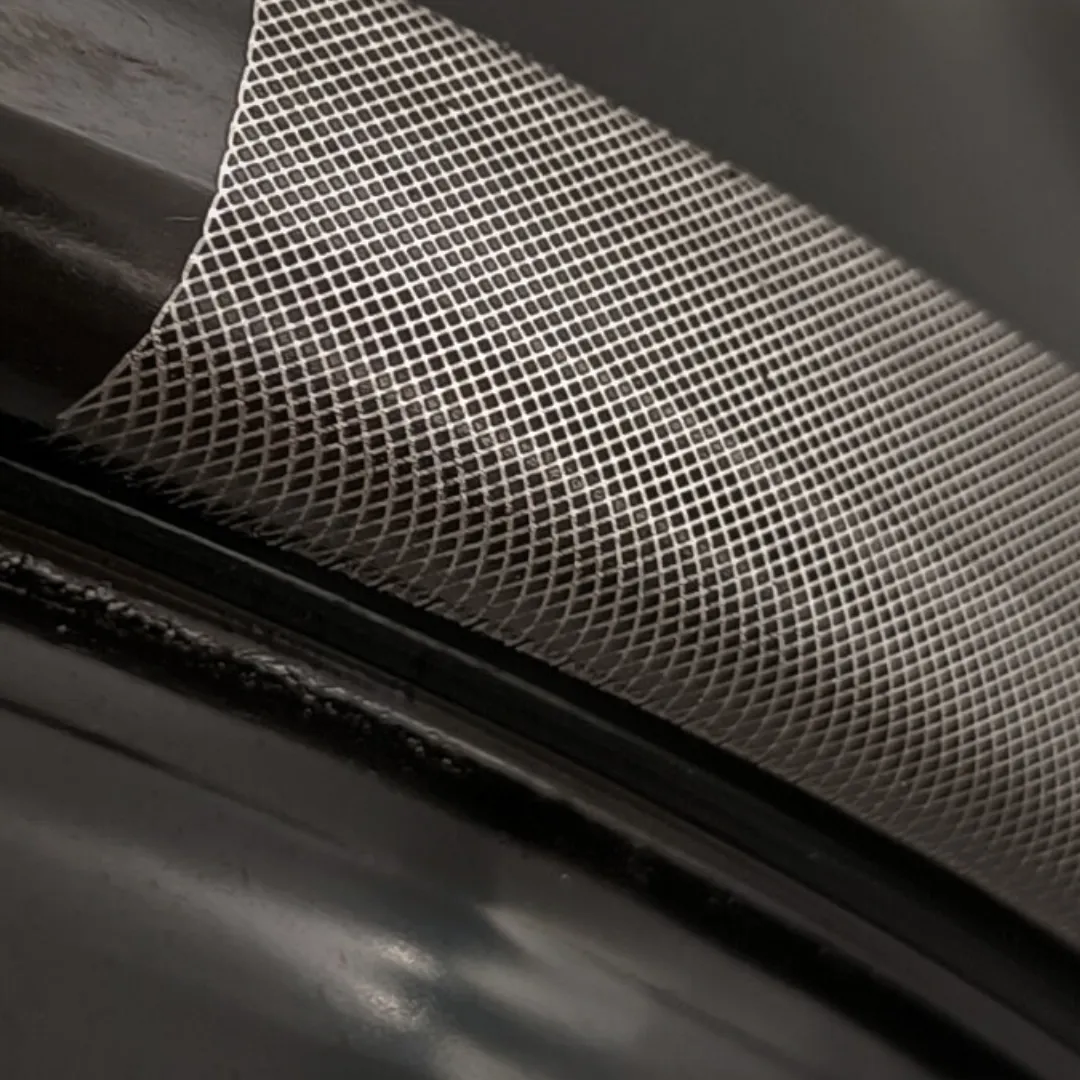
Laser Texturing System
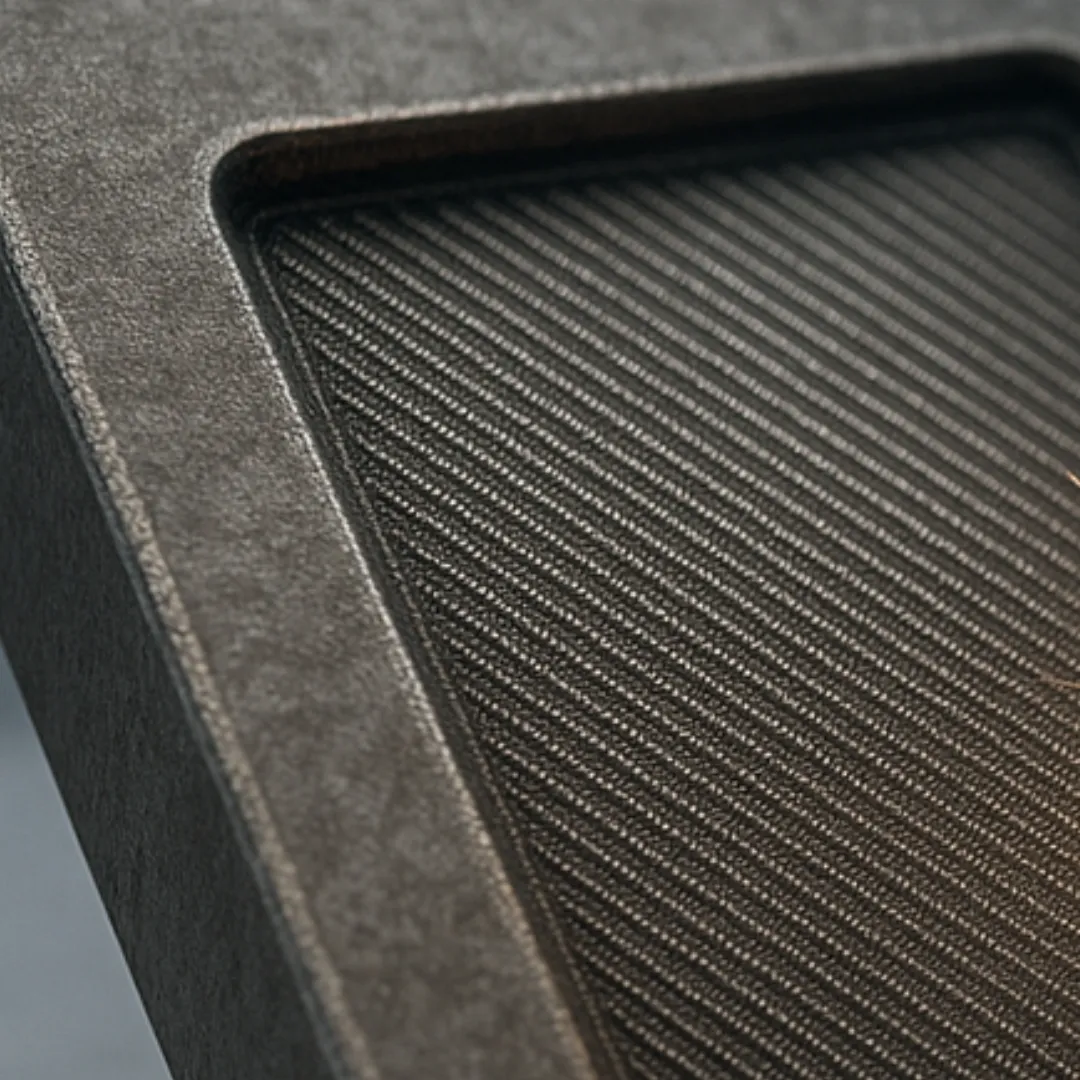
Laser Hardening System
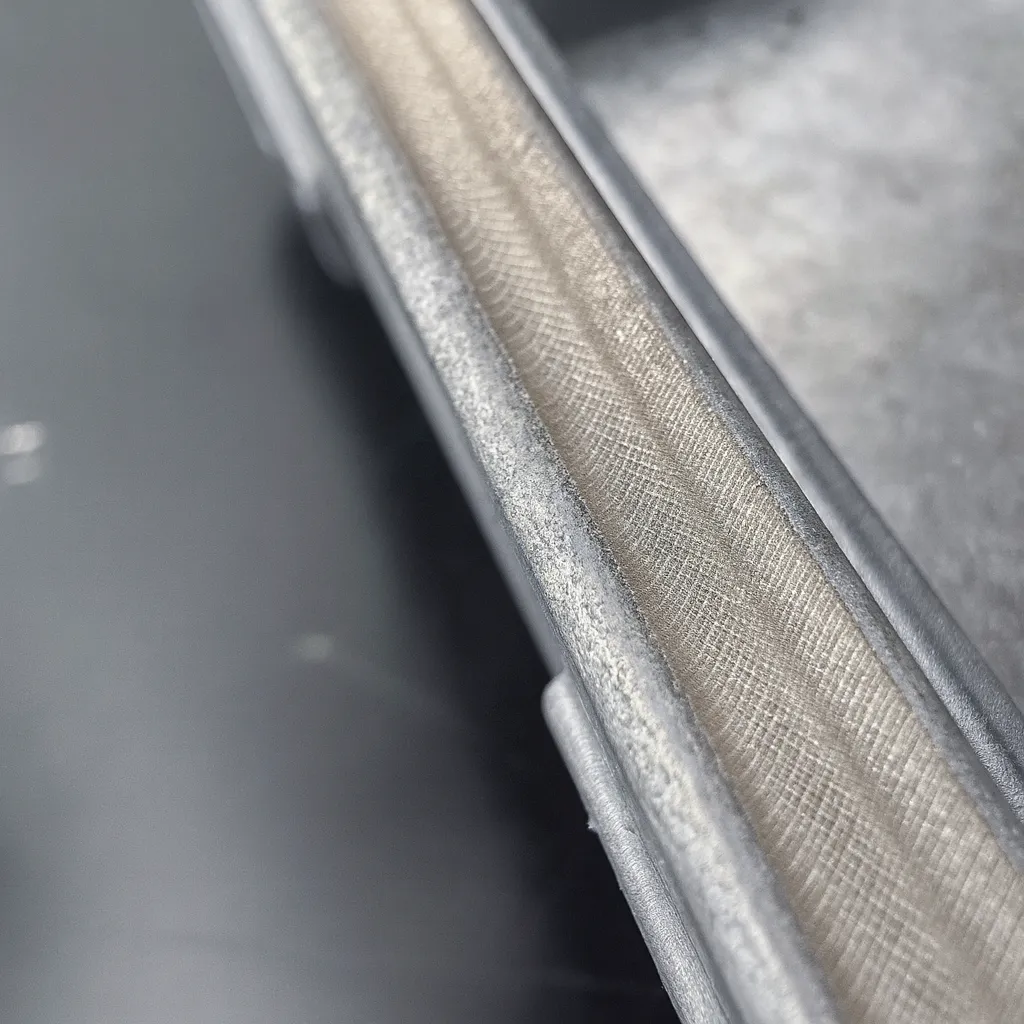
Precision Laser Micro-Ablation System
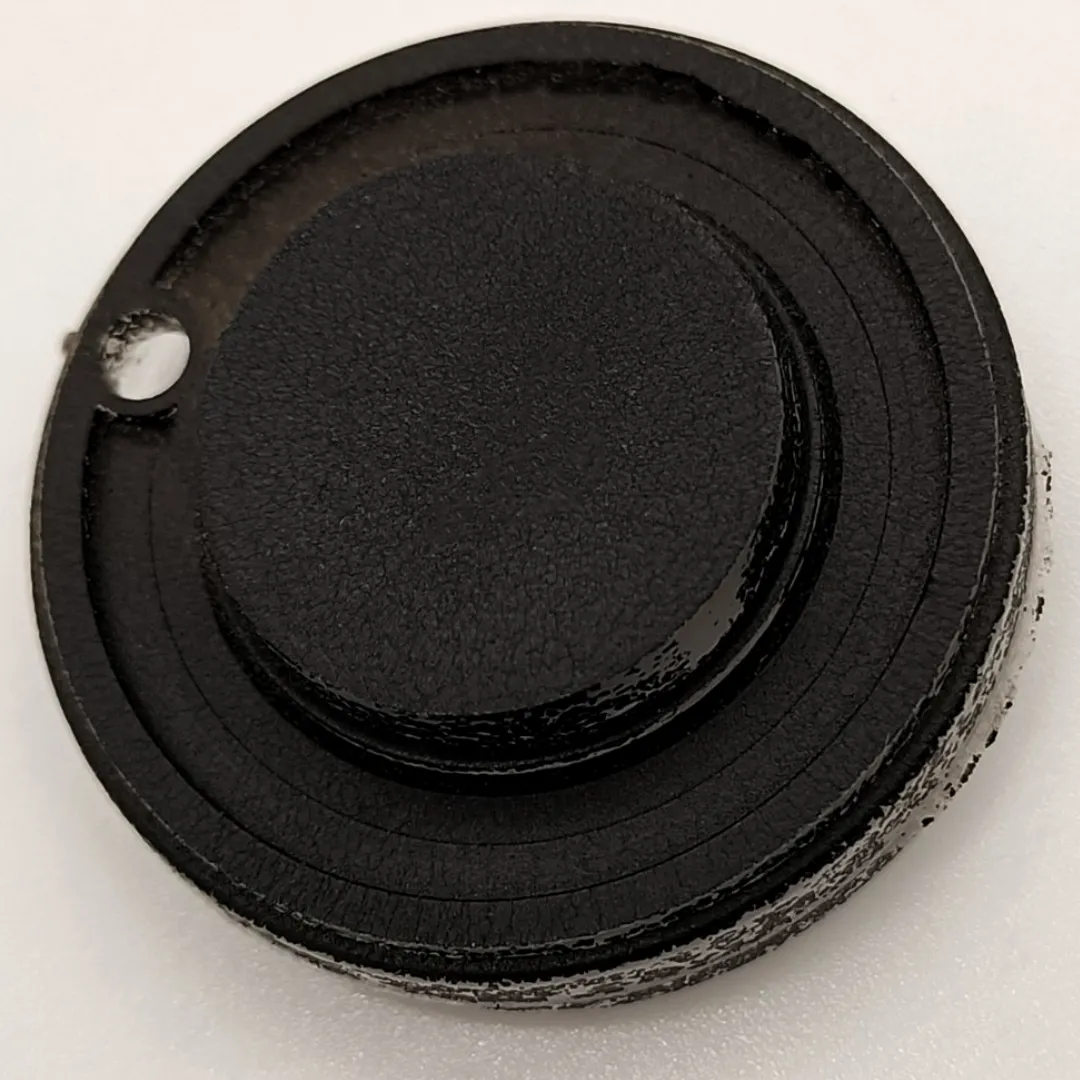
Laser Annealing System
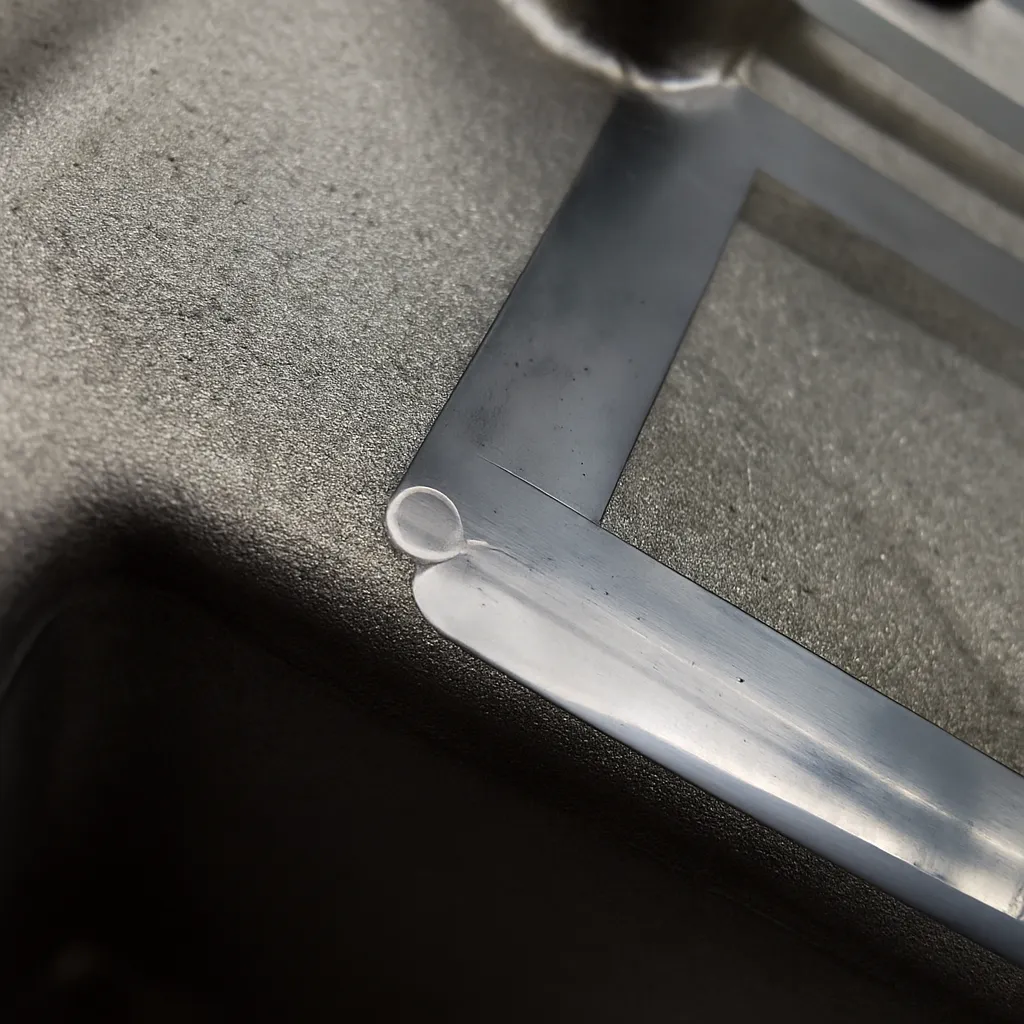
Laser Remelting System
Laser Coating Pretreatment System
What Is Surface-Related Scrap Really Costing You?
Calculate the annual value lost to surface-related scrap — and model the potential impact of reducing it.
Enter your annual production volume, finished-part value and current surface-related scrap rate. Then set your target scrap rate to model how reducing rejects through a controlled laser surface treatment process could affect the economics of your production.
Build your business case
Enter your production values below. All results and diagrams update automatically.
Value of finished parts currently lost to surface-related rejects
Current Process vs. Target Process
5-Year Cumulative Value Protected
General Advantages of Laser Surface Treatment
Surface Activation for Bonding and Painting
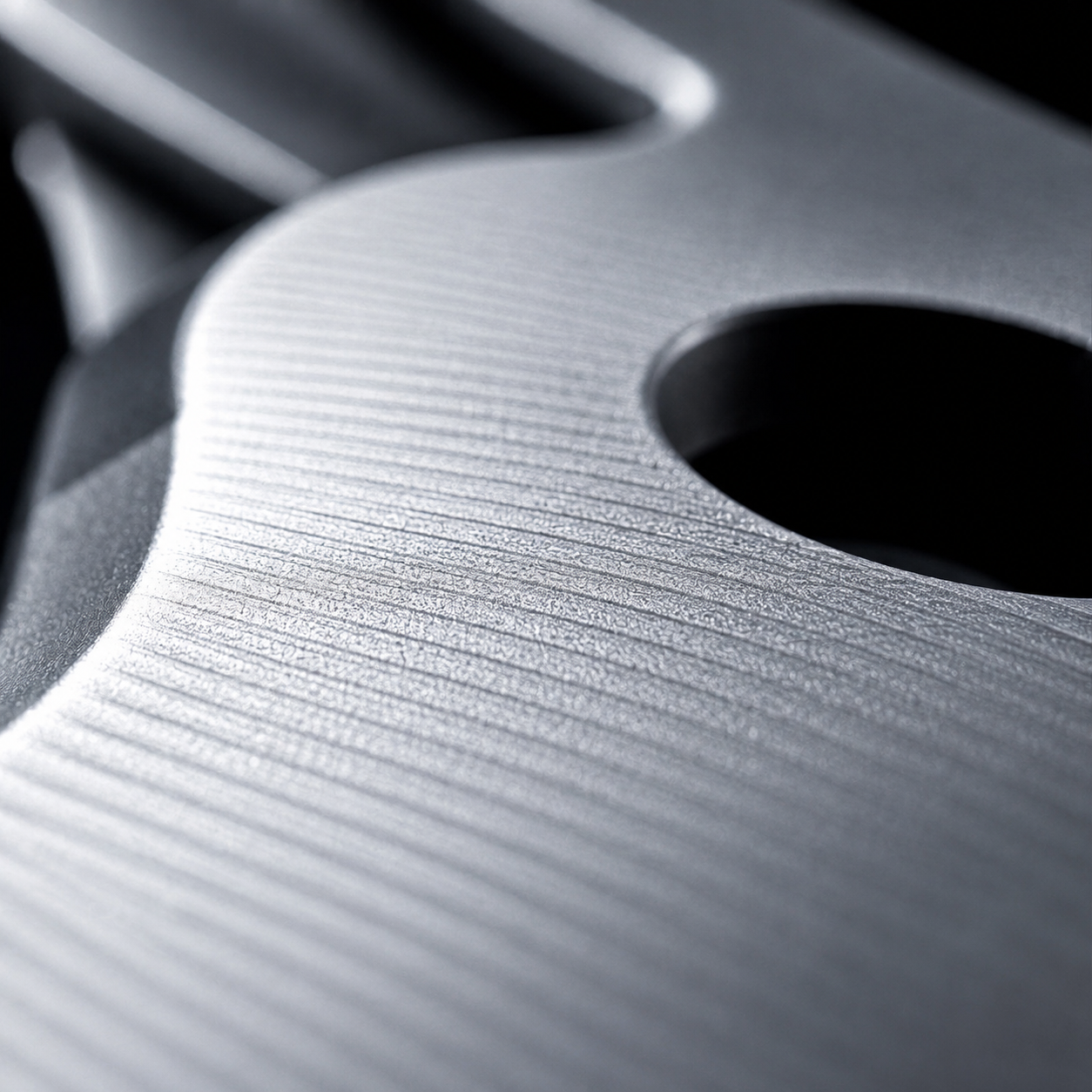
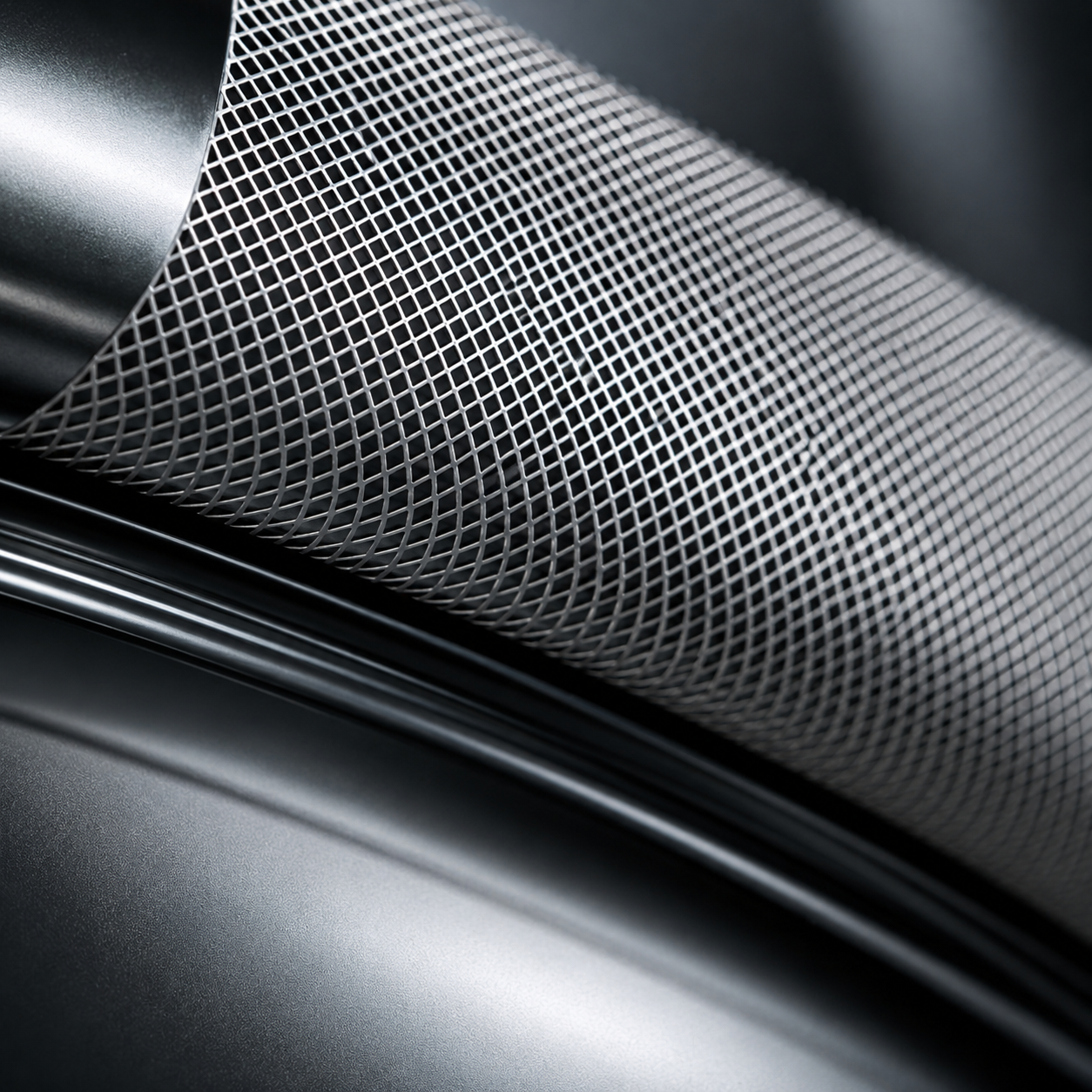
Laser technology can produce high-precision micro-texture, finely controlled roughness and micro-structuring that significantly improves adhesion. The laser removes contamination, silicone films, mold release residues and all adhesion-inhibiting layers.
Benefits of Laser Surface Activation
Reliable Surface Activation for Critical Bonding Processes
Laser surface activation is particularly valuable in industries where adhesion is critical — such as automotive plastic parts, consumer electronics housings, silicone sealing components, sensor enclosures, injection-molded plastic elements and any manufacturing process where coating or bonding quality plays a decisive role.
Because the process is contact-free, fully repeatable and suitable for automated operation, it offers a far more stable alternative compared to traditional chemical or plasma pretreatment methods. As a result, scrap rates and bonding defects can be significantly reduced, while ensuring stronger bonds, longer product lifetime and more consistent manufacturing quality.
Consumable-Free and Maintenance-Friendly
Laser surface treatment operates entirely without consumables — no abrasives, chemicals, sand or dry ice. Unlike conventional cleaning and preparation methods, the process requires no additional media and generates no secondary contamination.
Because the process is completely contactless, there are no mechanical components exposed to wear during operation. The result is a stable, predictable and highly repeatable production process. Laser systems can be seamlessly integrated into PLC, MES and robotic manufacturing environments, enabling full traceability, documentation and automation.
Laser Surface Treatment vs. Traditional Methods
| Property / Technology | Sandblasting | Chemical Cleaning | Dry Ice Cleaning |
Mechanical Pre-treatment |
Advanced Solution
Fibeer SX Laser Surface Treatment |
|---|---|---|---|---|---|
| Contactless process | No | No | No | No | 100% contactless |
| Base material damage | Risk of damage | Risk of damage | Possible damage | Mechanical impact | Controlled local treatment |
| Consumable requirement | High | High | High | Medium | None |
| Environmental impact | High | Hazardous chemicals | Medium | Dust and waste | 0 L process water |
| Surface precision | Limited | Limited | Limited | Low precision | ±0.01 mm positioning |
| Automation capability | Limited | Limited | Limited | Limited | Digital / fully automatable |
| Waste generation | High | Hazardous | Medium | Medium | 0 chemical bath waste |
| Long-term cost efficiency | Medium | Low | Low | Medium | Up to 100,000 h source life |
| Maximum scan speed | Process dependent | Cycle dependent | Process dependent | Tool / feed dependent | Up to 14,000 mm/smaximum scanning speed |
| Process parameter control | Equipment dependent | Chemistry / cycle dependent | Equipment dependent | Tool / operator dependent | Digital recipespower, speed, frequency & geometry |
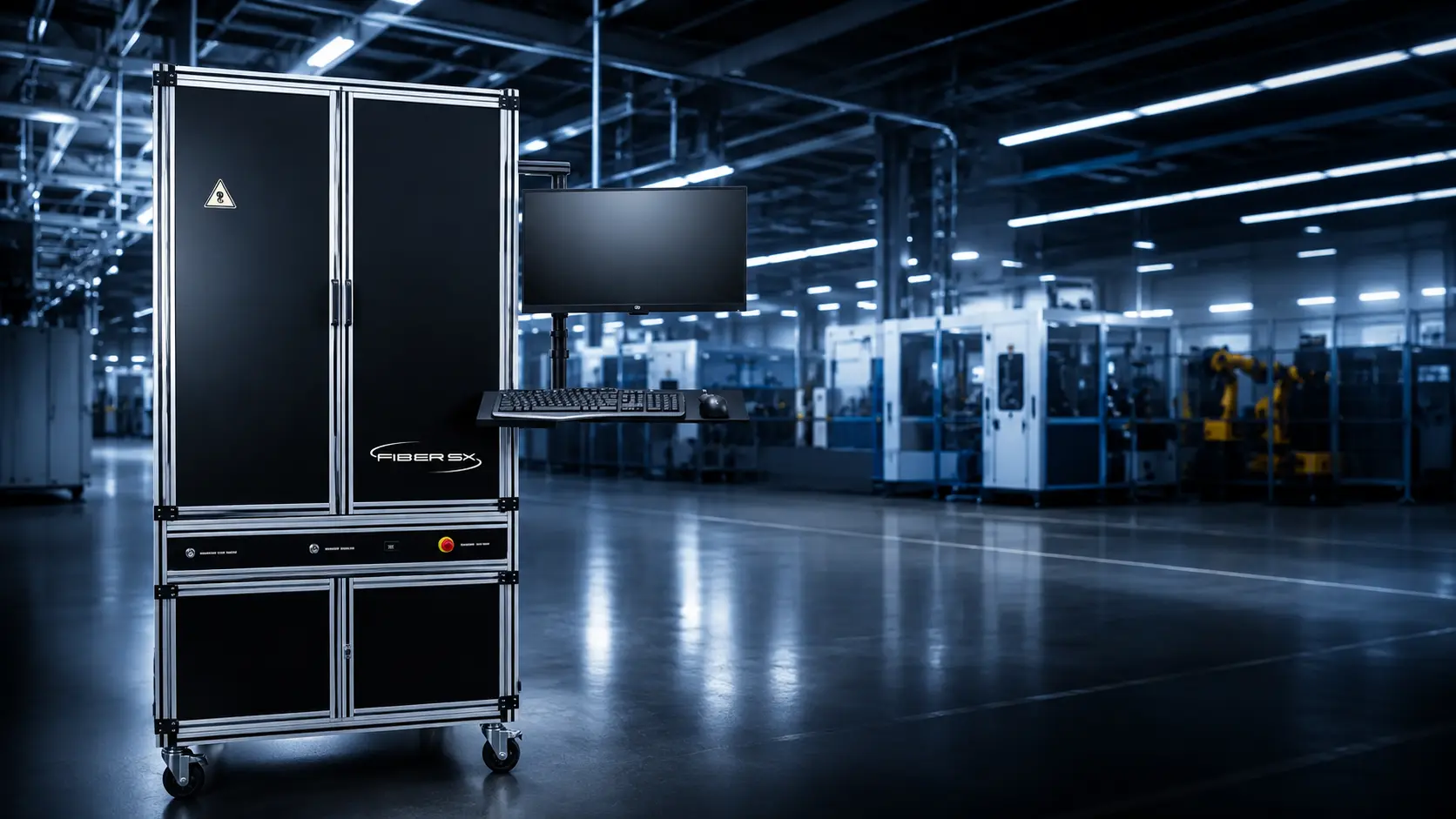
Industries Benefiting from Laser Surface Treatment
Casting cleaning, bonding pretreatment and weld seam surface preparation.
Plastic and silicone surface activation.
Mold cleaning and residue removal.
Oxide and corrosion removal.
Foil and busbar surface preparation.
Adhesion promotion and defect reduction.
Weld spot cleaning before and after joining.