
Laser Rust Removal
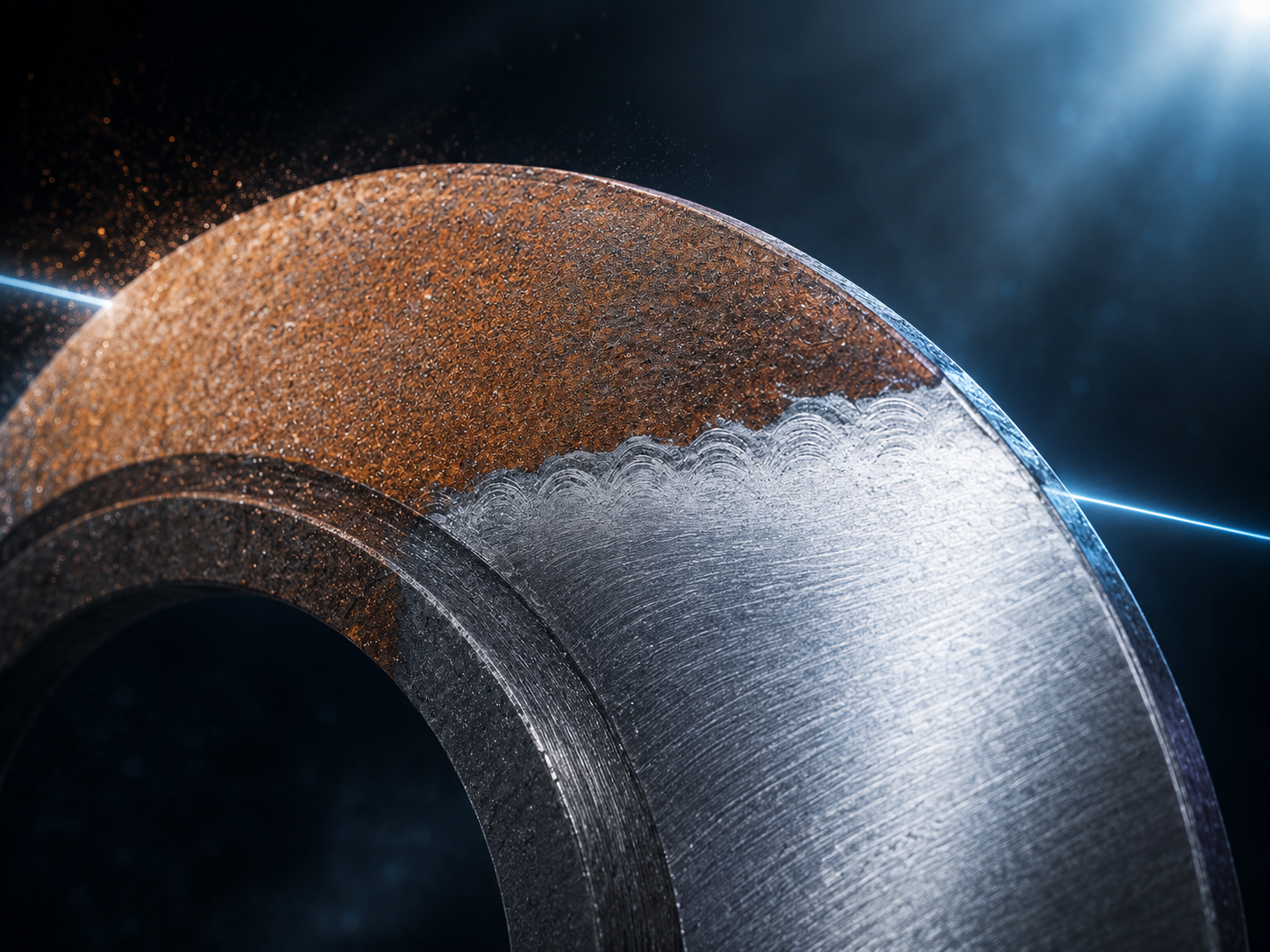
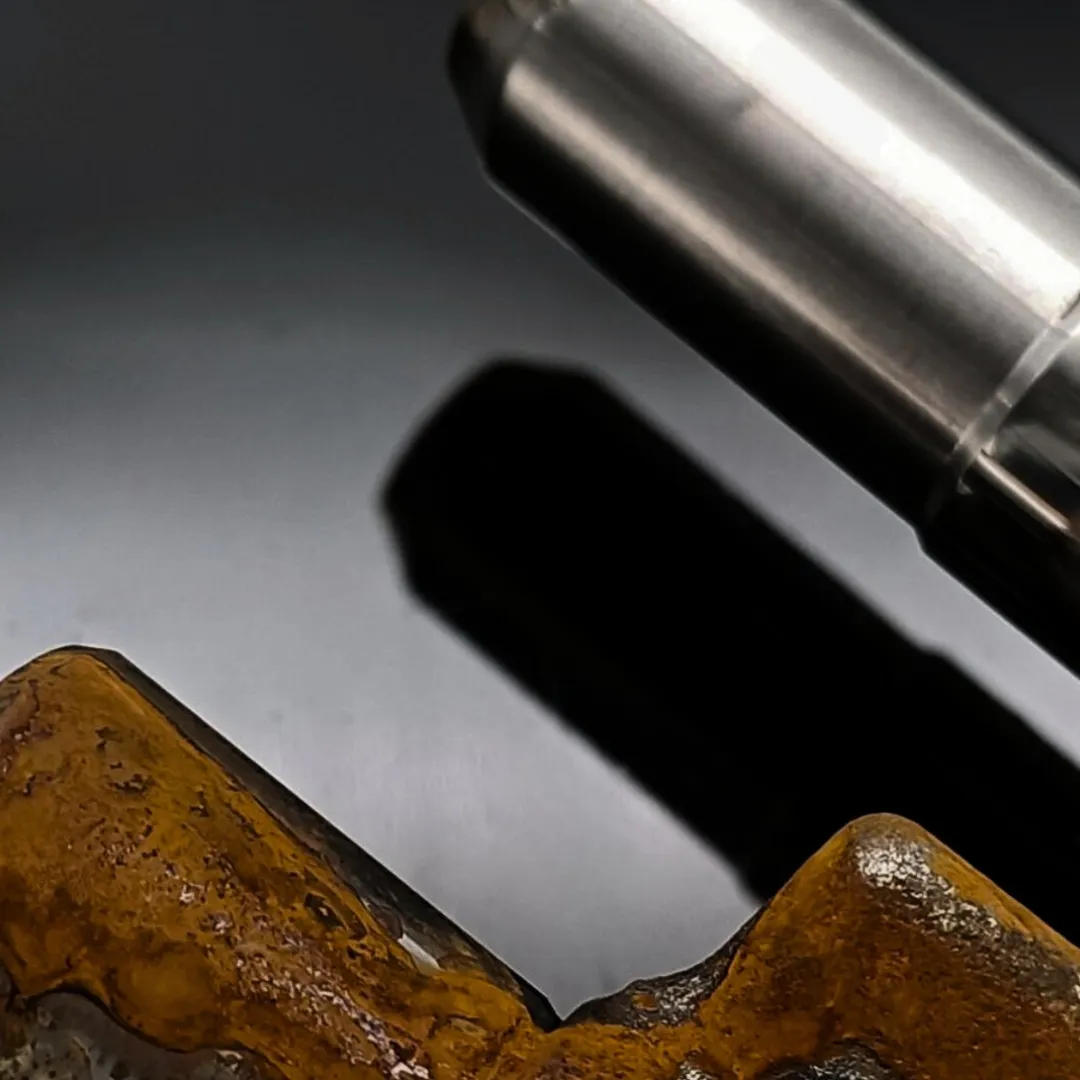
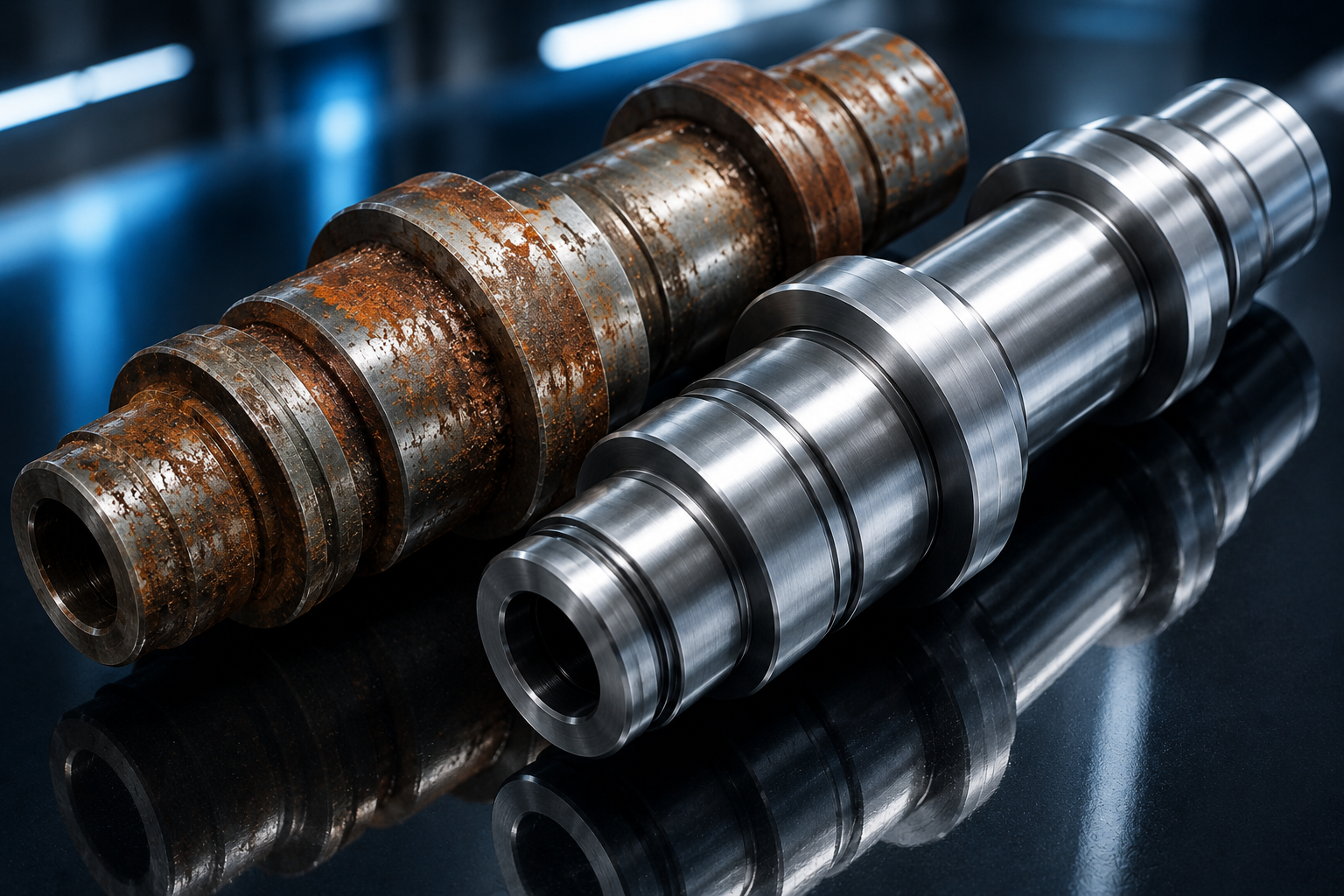
Rust is one of the most common causes of reduced component performance, premature wear and costly maintenance. Conventional cleaning methods often damage the underlying surface or require abrasive materials and chemicals. Laser rust removal offers a modern, contact-free alternative that removes only the unwanted oxide layer while preserving the original material.
With micron-level precision, laser technology restores metal surfaces without grinding, blasting or chemicals. The process is fast, repeatable and environmentally friendly, making it ideal for manufacturing, maintenance and refurbishment applications where surface integrity and dimensional accuracy are essential. From precision components to heavy industrial parts, laser rust removal delivers cleaner surfaces, longer service life and consistently reliable results.
Download Technical Information
Please enter your company contact details to access the technical documentation.
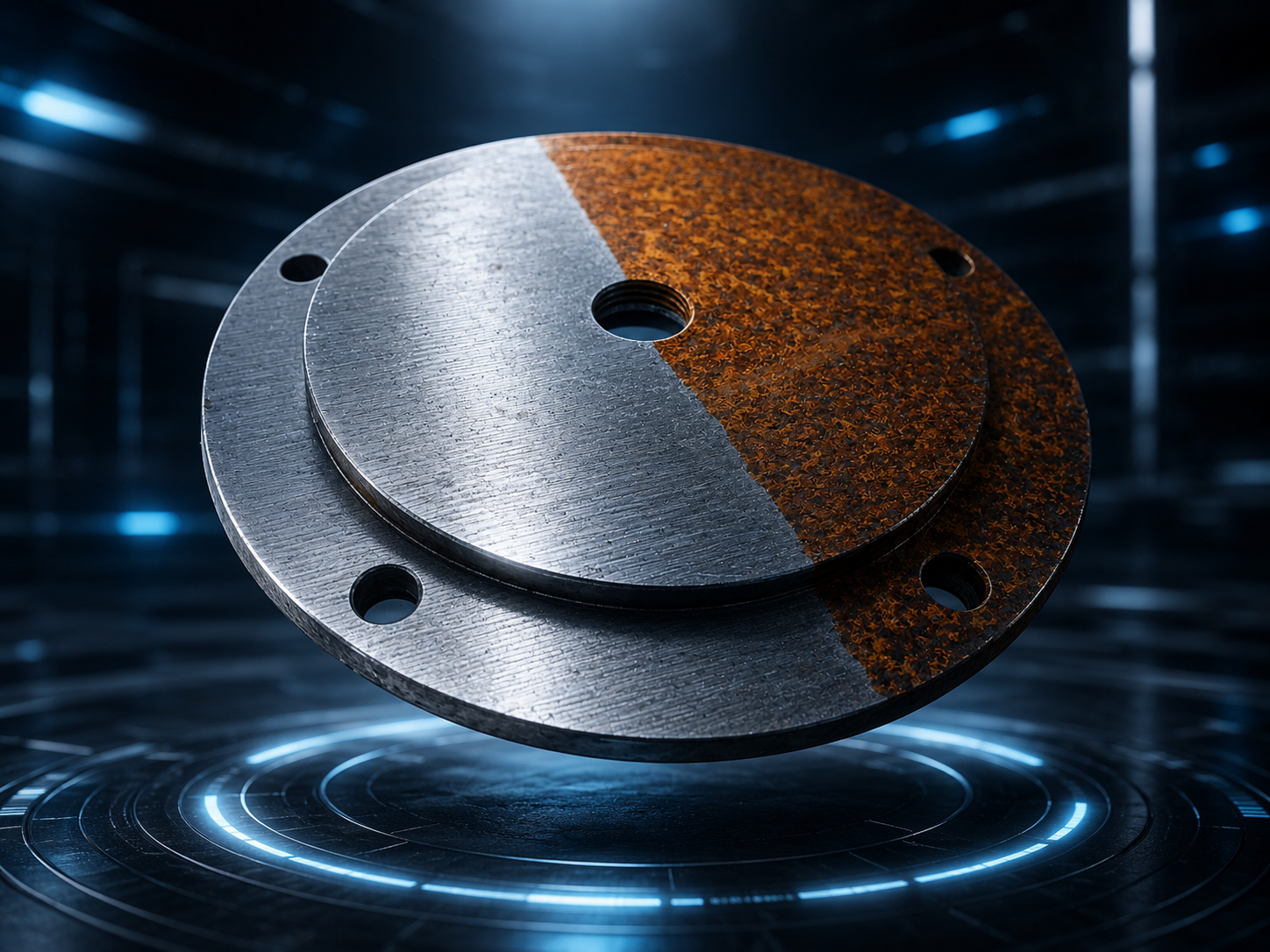
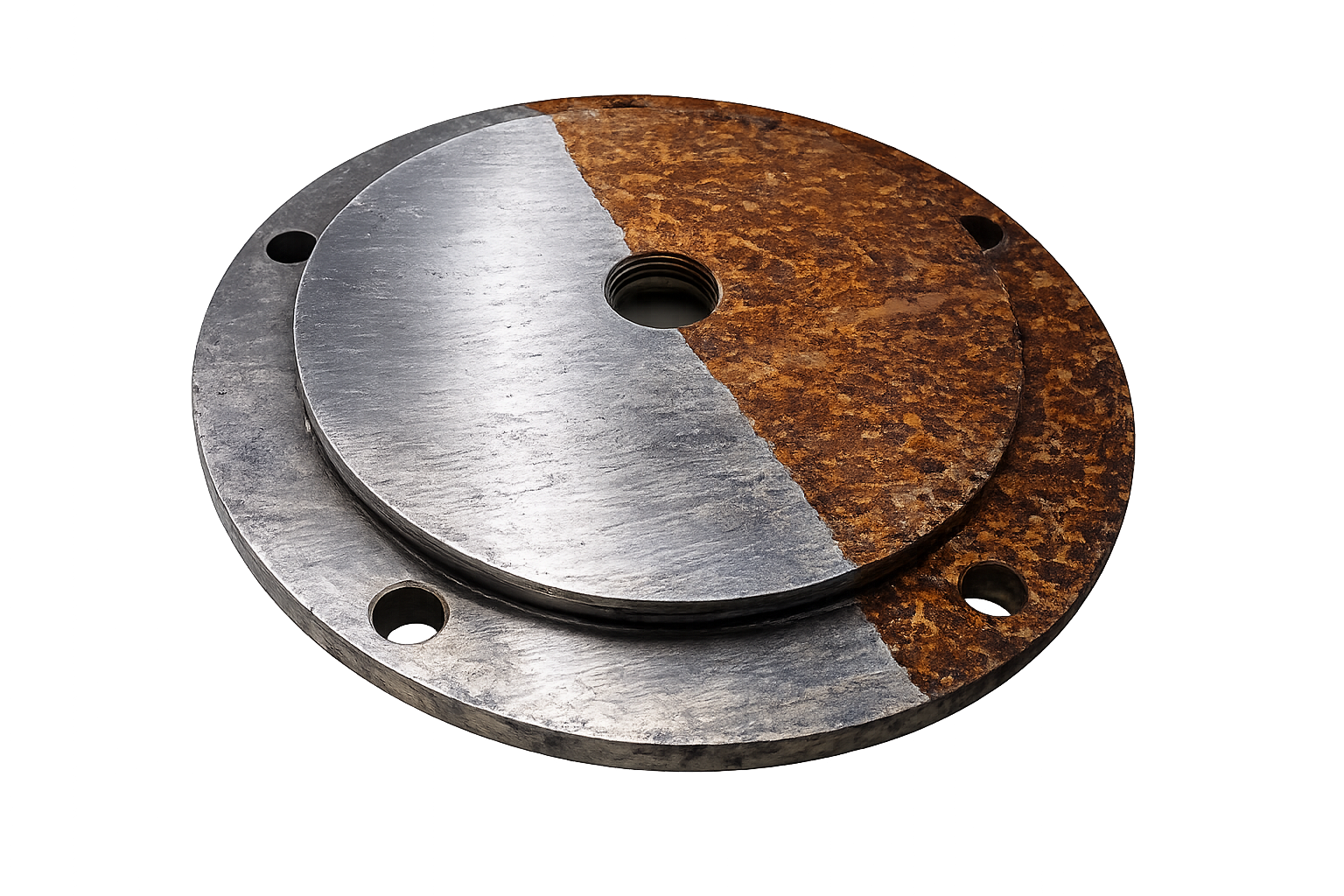
Laser Rust Removal vs. Conventional Rust Removal Technologies
Selective rust removal without abrasive blasting media or chemical cleaning baths.
FibeerSX laser rust removal combines up to 14,000 mm/s scanning speed, ±0.01 mm system positioning precision and digitally programmable treatment areas. The laser can selectively remove rust and oxide layers from defined surfaces without direct mechanical tool contact. Unlike sandblasting, the process does not require abrasive blasting media, while compared with chemical rust removal it avoids chemical cleaning baths and associated liquid chemical waste.
More Information| Comparison | Laser Rust Removal FibeerSX Laser Technology | Dry Ice Blasting CO₂ Pellet Cleaning | Chemical Rust Removal Chemical Treatment | Sandblasting Abrasive Blasting |
|---|---|---|---|---|
| Process Type | ✓ Non-contact laser process | Pellet blasting process | Chemical reaction / dissolution | Abrasive particle blasting |
| Maximum Scan Speed | Up to 14,000 mm/s maximum scanner speed; actual rust-removal rate depends on oxide layer and process parameters | No optical scanning equivalent | Reaction and treatment-time dependent | No optical scanning equivalent |
| System Positioning Precision | ±0.01 mm FibeerSX system positioning precision | No equivalent beam positioning | Treatment boundary / masking dependent | Nozzle, masking and operator / robot dependent |
| Laser Source Lifetime | Up to 100,000 h laser source operating lifetime | Not applicable | Not applicable | Not applicable |
| Selective Rust Removal |
✓ Digitally Defined Area
treatment can be restricted to the required rusted surface
|
△ Nozzle controlled | △ Masking may be required | △ Masking may be required |
| Mechanical Tool Contact | ✓ None | No solid tool contact; pellet impact occurs | No mechanical tool contact | Abrasive particle impact |
| Abrasive Media Required | 0 kg no abrasive blasting media required | × Dry ice pellets required | No abrasive media | × Abrasive media required |
| Cleaning Chemicals | ✓ None | None | × Required | None |
| Process Water | 0 L no process water required by the laser rust-removal step | Typically none | △ Rinsing may be required | Dry blasting itself does not require process water |
| Secondary Blasting Media Waste | ✓ None removed rust and process residue still require extraction / collection | ✓ No spent pellet media dry ice sublimates; removed contamination remains | Not applicable | × Spent abrasive media |
| Chemical Waste | ✓ None from cleaning chemistry | None from cleaning chemistry | × Chemical waste may require treatment | None from cleaning chemistry |
| Impact on Base Material | ✓ Highly controllable optimized parameters allow selective oxide removal while minimizing substrate impact | Generally low, application dependent | Chemical compatibility must be considered | △ Surface material can be removed |
| Surface Roughness Change | ✓ Parameter controlled cleaning and controlled texturing can be configured for the application | Usually limited; process dependent | Chemistry and exposure-time dependent | Significant roughening can occur |
| Surface Geometry Preservation | ✓ High with validated parameters | Generally high | Depends on material / chemical compatibility | Abrasive erosion must be considered |
| Masking Requirement | ✓ Can often be avoided treatment area is digitally defined | May be required for sensitive areas | Often required for selective treatment | Often required to protect surrounding surfaces |
| Consumables During Processing | ✓ Very low no chemical or abrasive cleaning media | × Continuous dry ice supply | × Chemical supply | × Abrasive media supply |
| Drying Step | ✓ Not required | Not required by dry ice process | △ May be required | Not required for dry blasting |
| Process Residue | △ Extraction required removed oxide and particulate residue should be captured | Removed rust remains after pellet sublimation | Used solution / rinse liquid may require treatment | Removed rust mixed with spent abrasive media |
| Operator Exposure | ✓ Enclosable & automatable laser safety and appropriate extraction are required | Noise, CO₂ concentration and blasting exposure must be controlled | Chemical contact, vapor and aerosol exposure must be controlled | Dust, noise and abrasive exposure must be controlled |
| Environmental Considerations | ✓ No chemical bath or abrasive media | CO₂ supply and energy use must be considered | Chemical handling, wastewater and disposal must be considered | Abrasive consumption, dust and spent-media disposal must be considered |
| Process Geometry | ✓ Digitally programmable | Nozzle-path dependent | Immersion, application and masking dependent | Nozzle-path and masking dependent |
| Process Changeover |
Software / Recipe Based
geometry and laser parameters can be changed digitally
|
Pressure, pellet flow and nozzle setup may require adjustment | Chemistry, concentration, exposure time or masking may change | Media, pressure, nozzle and masking may require adjustment |
| Repeatability | ✓ High digitally stored treatment geometry and process parameters | Pressure, pellet flow, nozzle distance and path dependent | Chemistry, concentration, temperature and time dependent | Media condition, pressure, nozzle distance and path dependent |
| Automation Potential | ✓ Excellent | Automatable | Automatable | Automatable |
| Inline Integration | ✓ Direct integration workstation, robot cell or production-line integration | Pellet supply and blasting infrastructure required | Chemical handling, washing and potentially drying infrastructure required | Enclosed blasting and abrasive-recovery infrastructure typically required |
| Process Monitoring | ✓ Digital laser parameters and process recipes can be monitored and stored | Pressure, pellet flow and system parameters | Concentration, temperature, time and bath condition | Pressure, media flow and blasting parameters |
| Traceability | ✓ Recipe & process data | Possible with system integration | Possible with process-data integration | Possible with system integration |
| High-Mix Production | ✓ High flexibility different components can use product-specific digital recipes | Nozzle / process setup dependent | Chemistry and process compatibility dependent | Media, masking and setup dependent |
| Best Suited For | Selective rust and oxide removal, precision components, sensitive functional surfaces, automated production, localized treatment and applications requiring high repeatability. | Cleaning applications where non-abrasive pellet blasting is suitable and continuous dry ice supply is available. | Components and rust layers compatible with the selected chemical treatment and subsequent rinsing process. | Larger robust surfaces where aggressive rust removal and simultaneous surface roughening are acceptable or desired. |
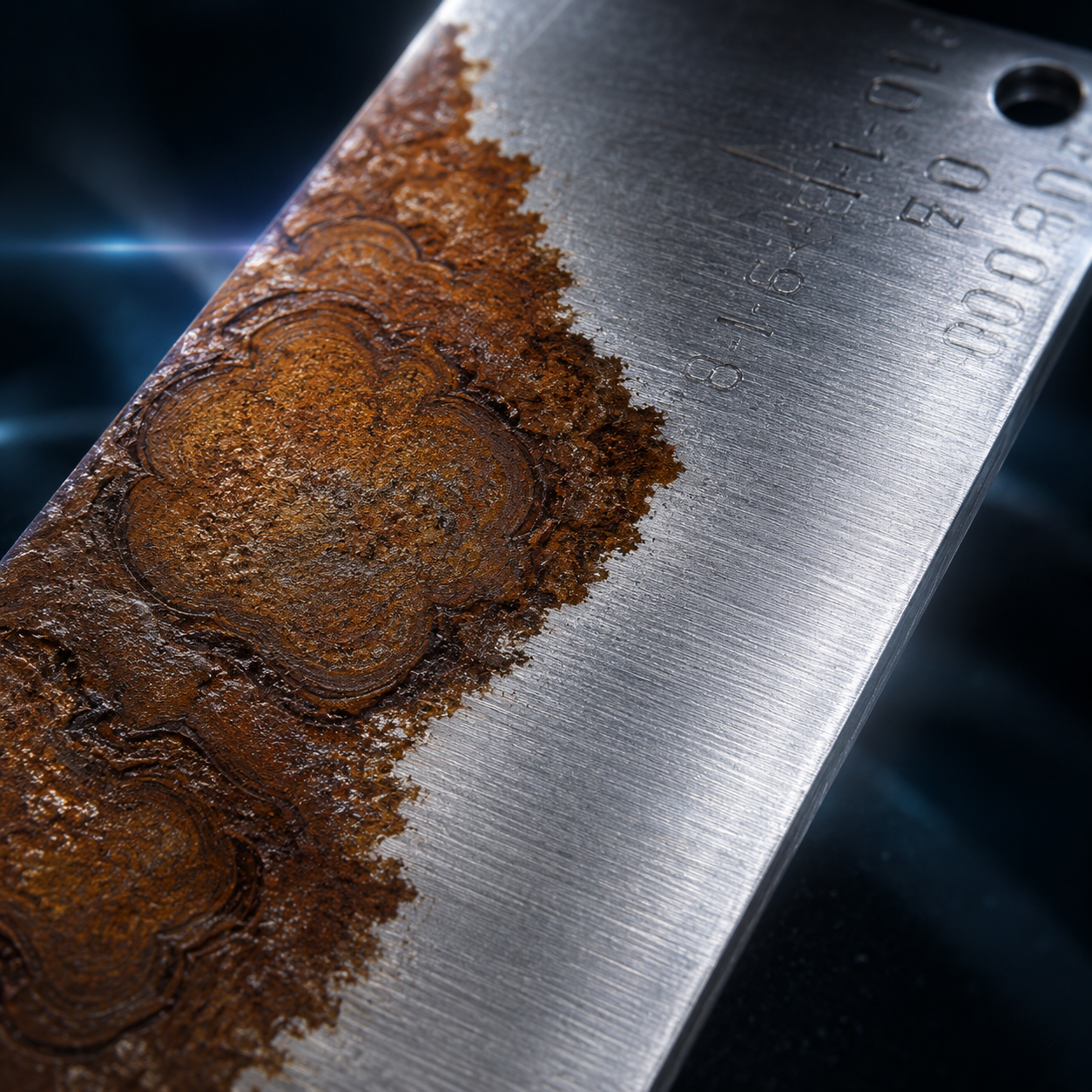
Restore metal surfaces without compromise.
Laser rust removal delivers fast, precise and environmentally friendly cleaning while preserving the original material—helping manufacturers reduce maintenance costs, extend component lifetime and achieve consistently superior surface quality.
Laser Cleaning Applications
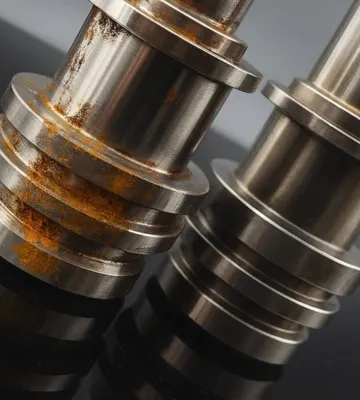
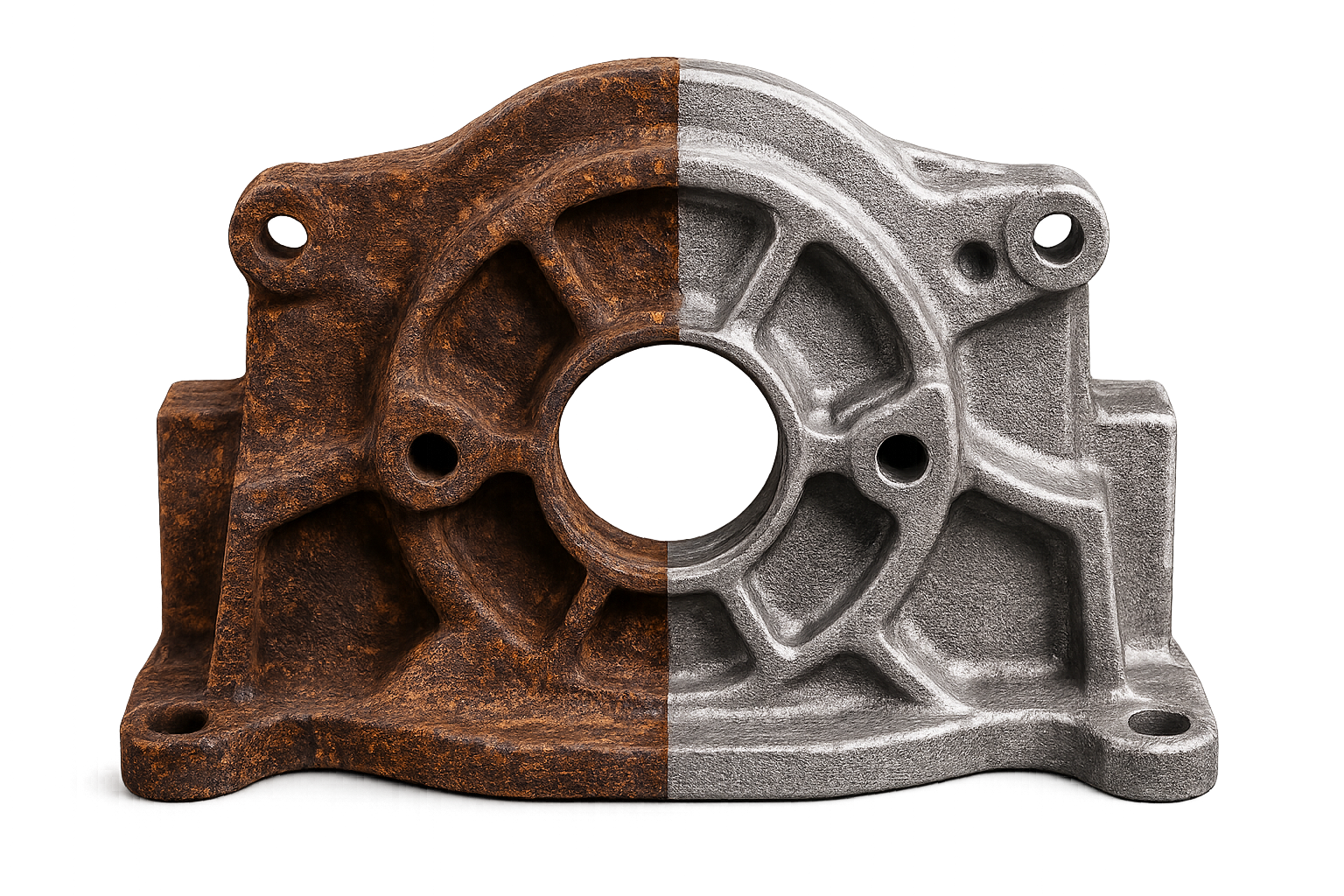
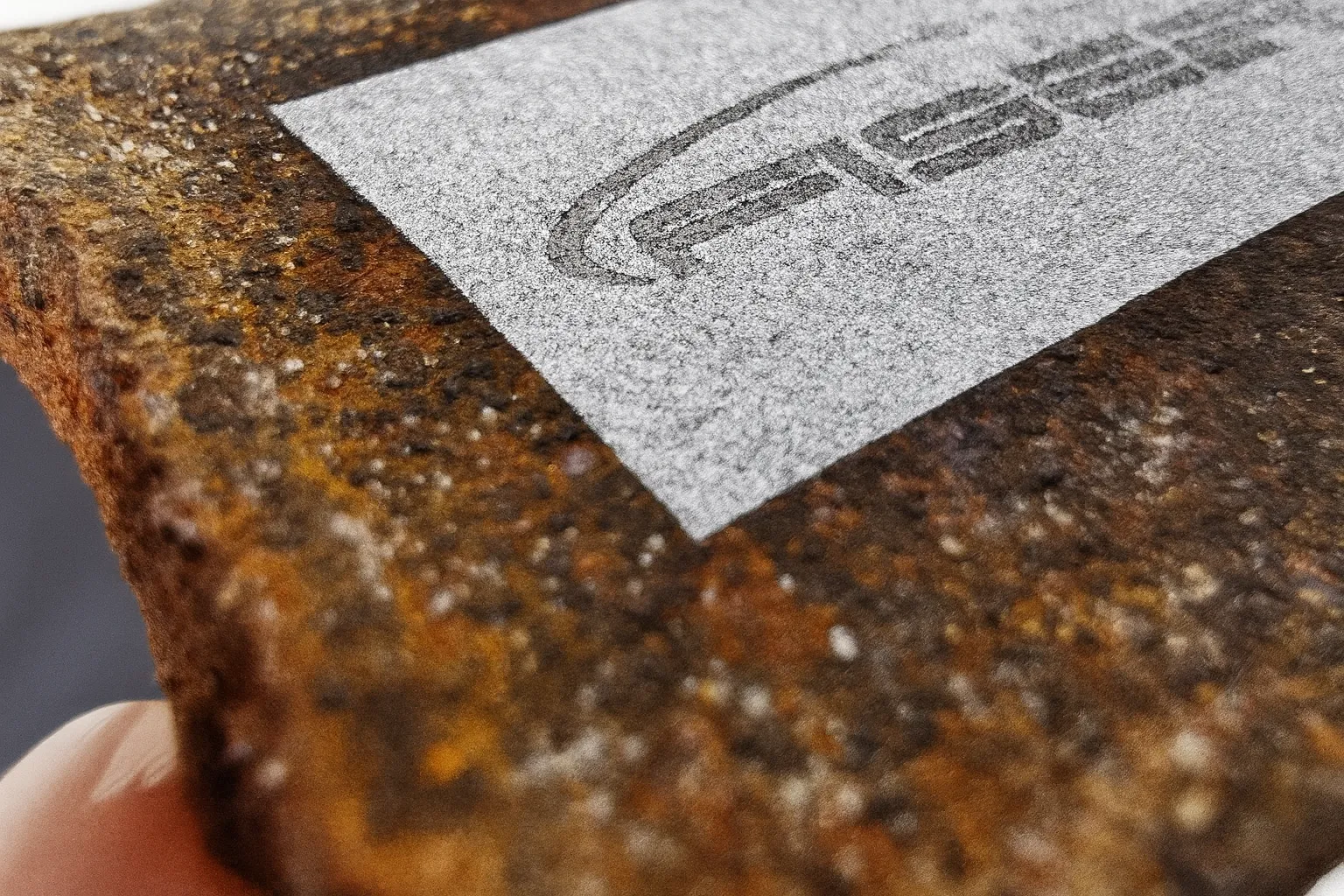
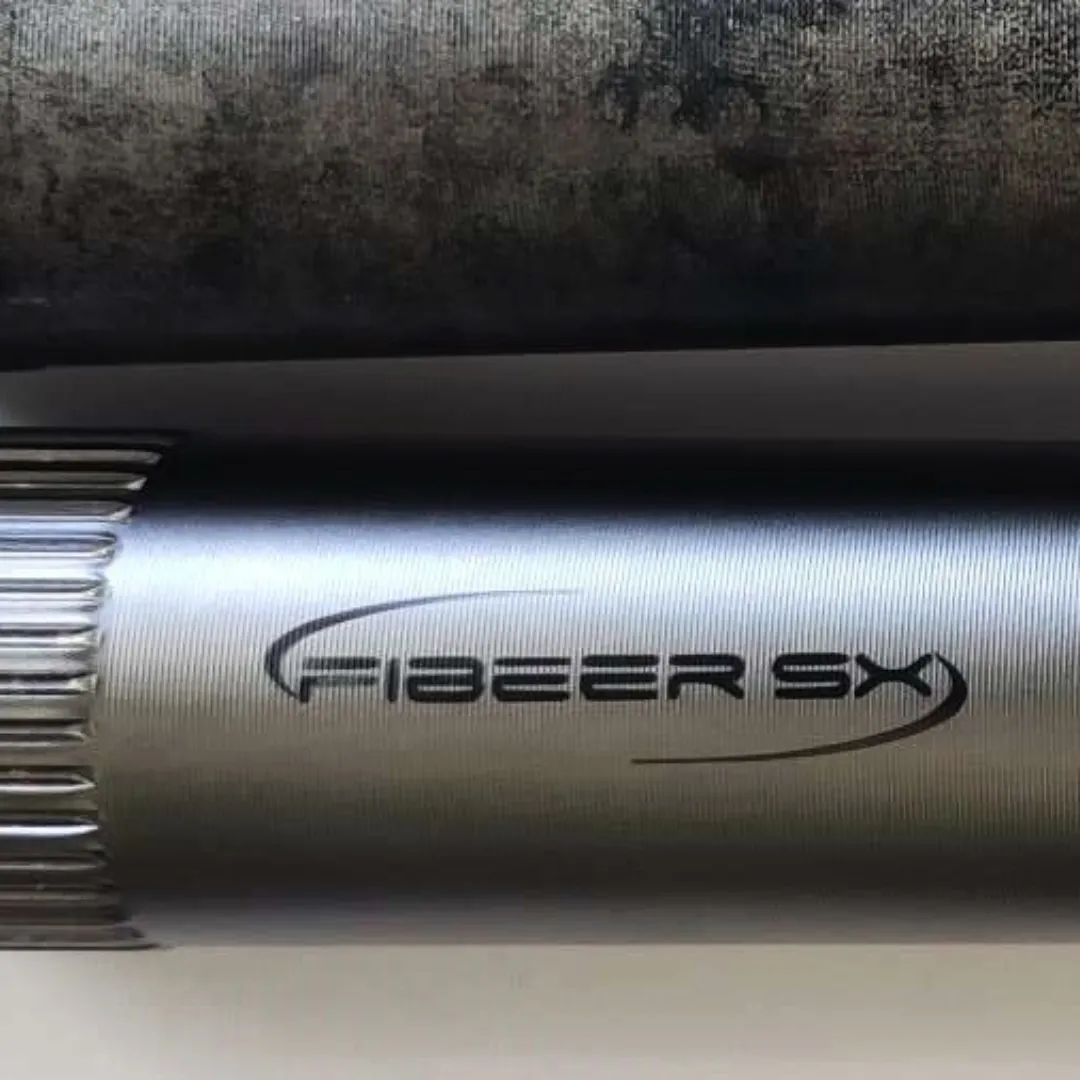
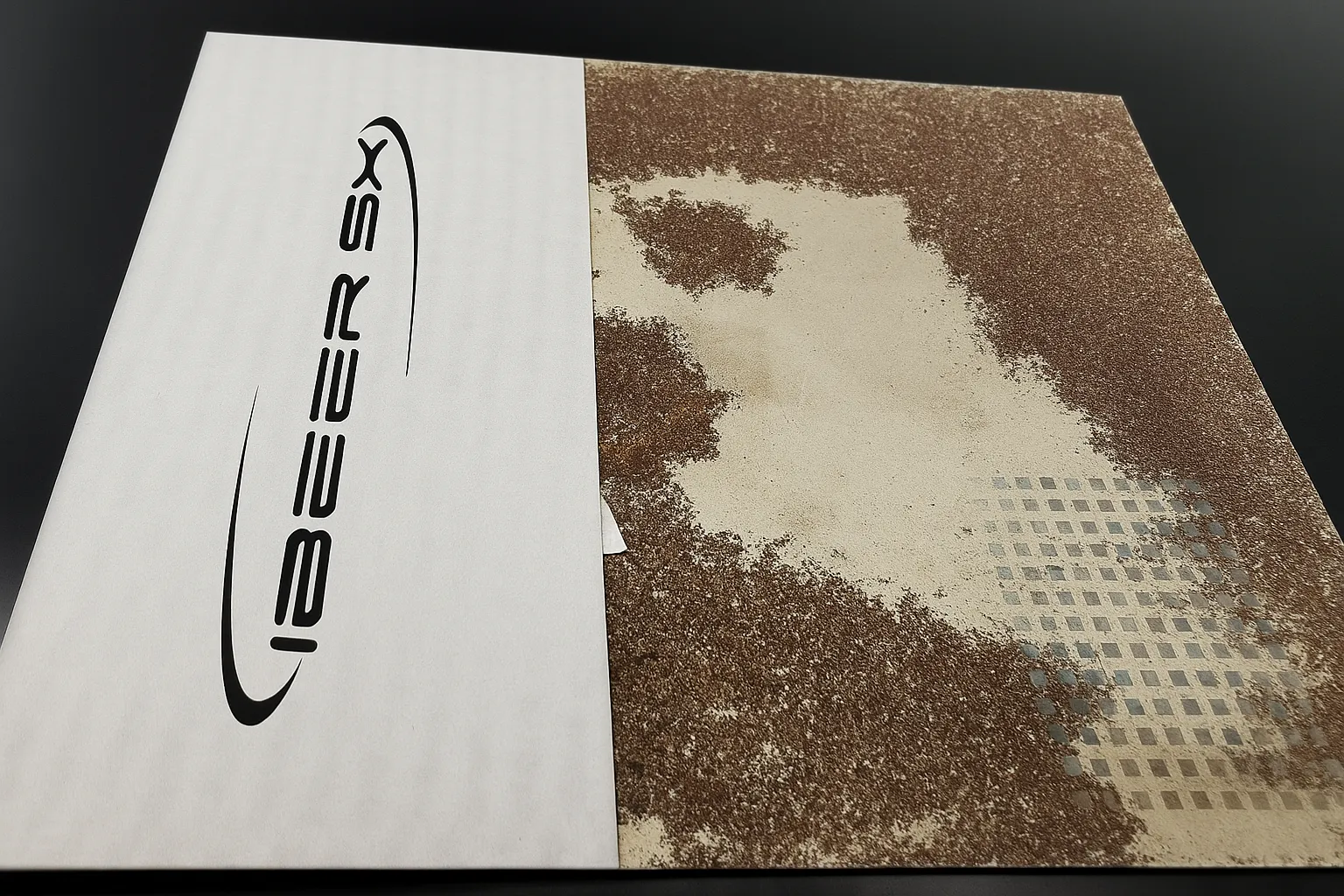
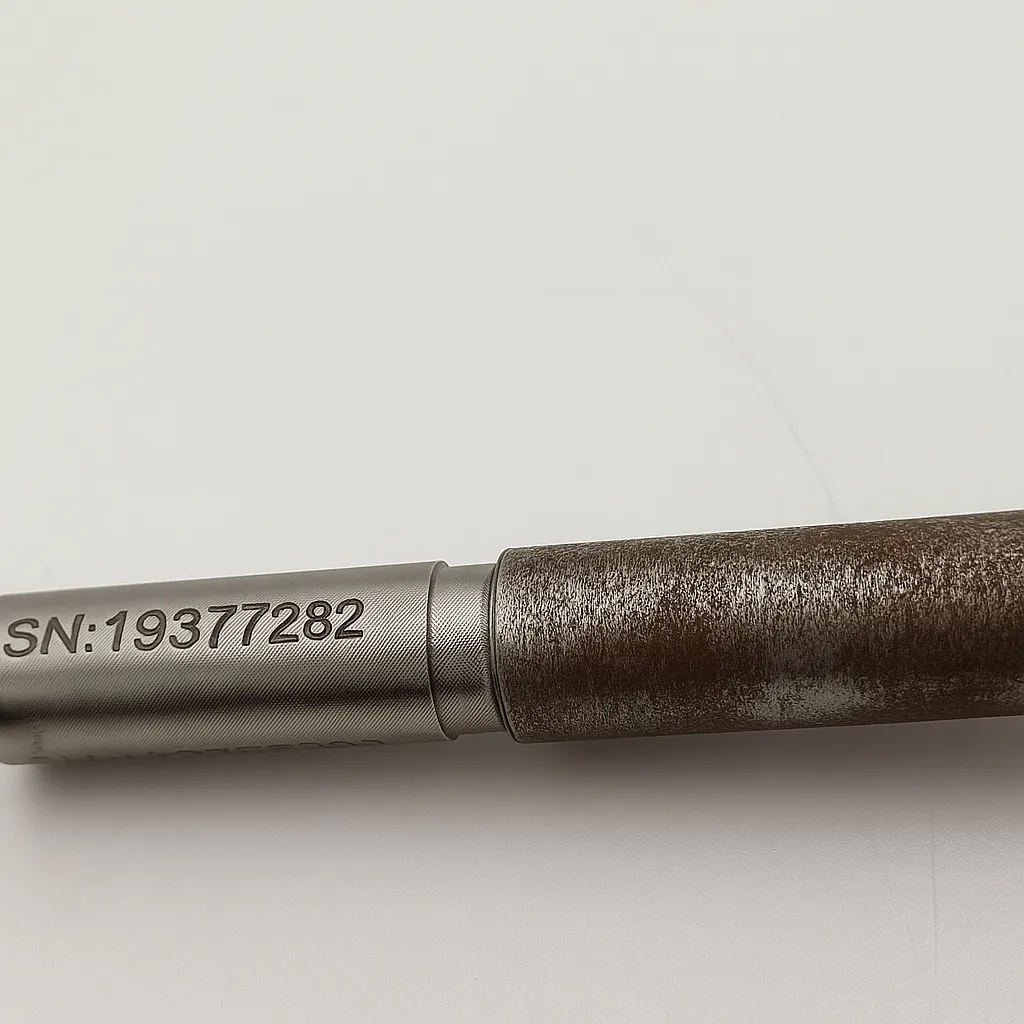
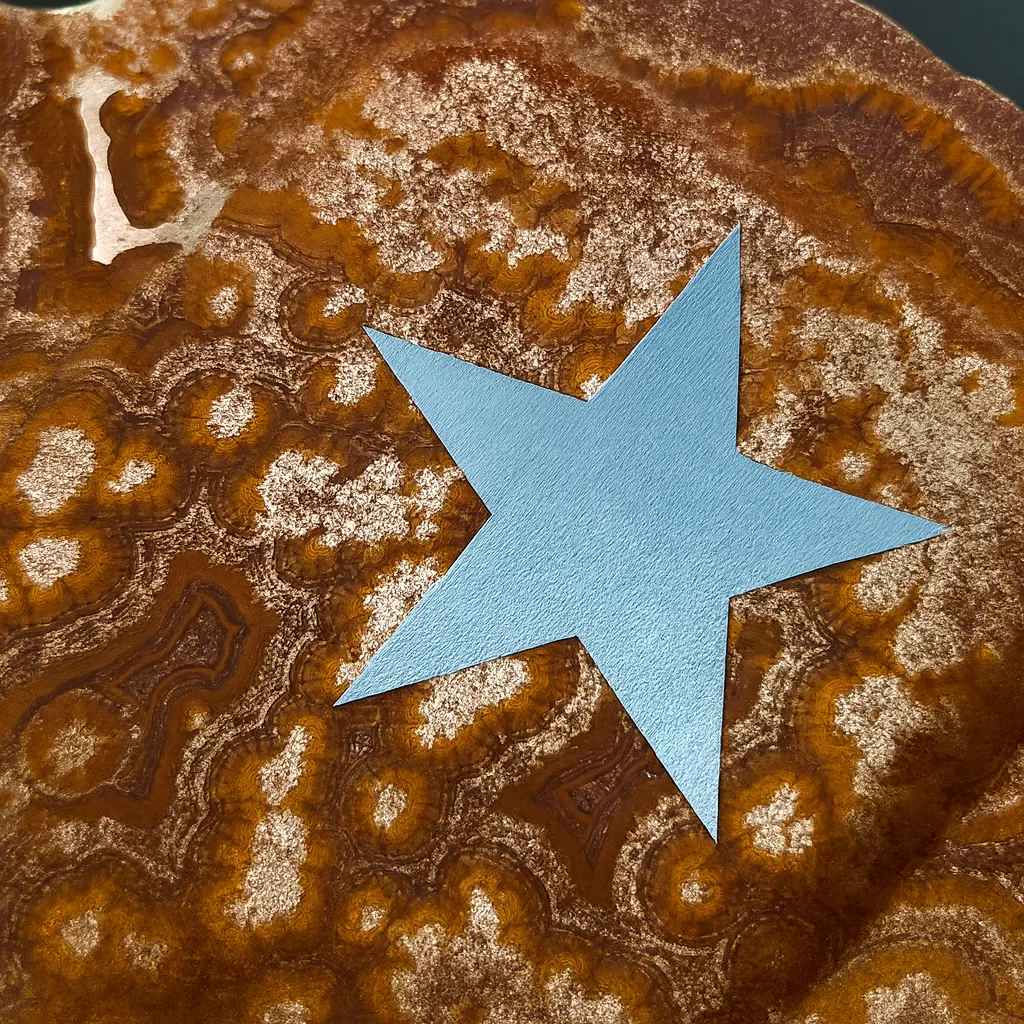
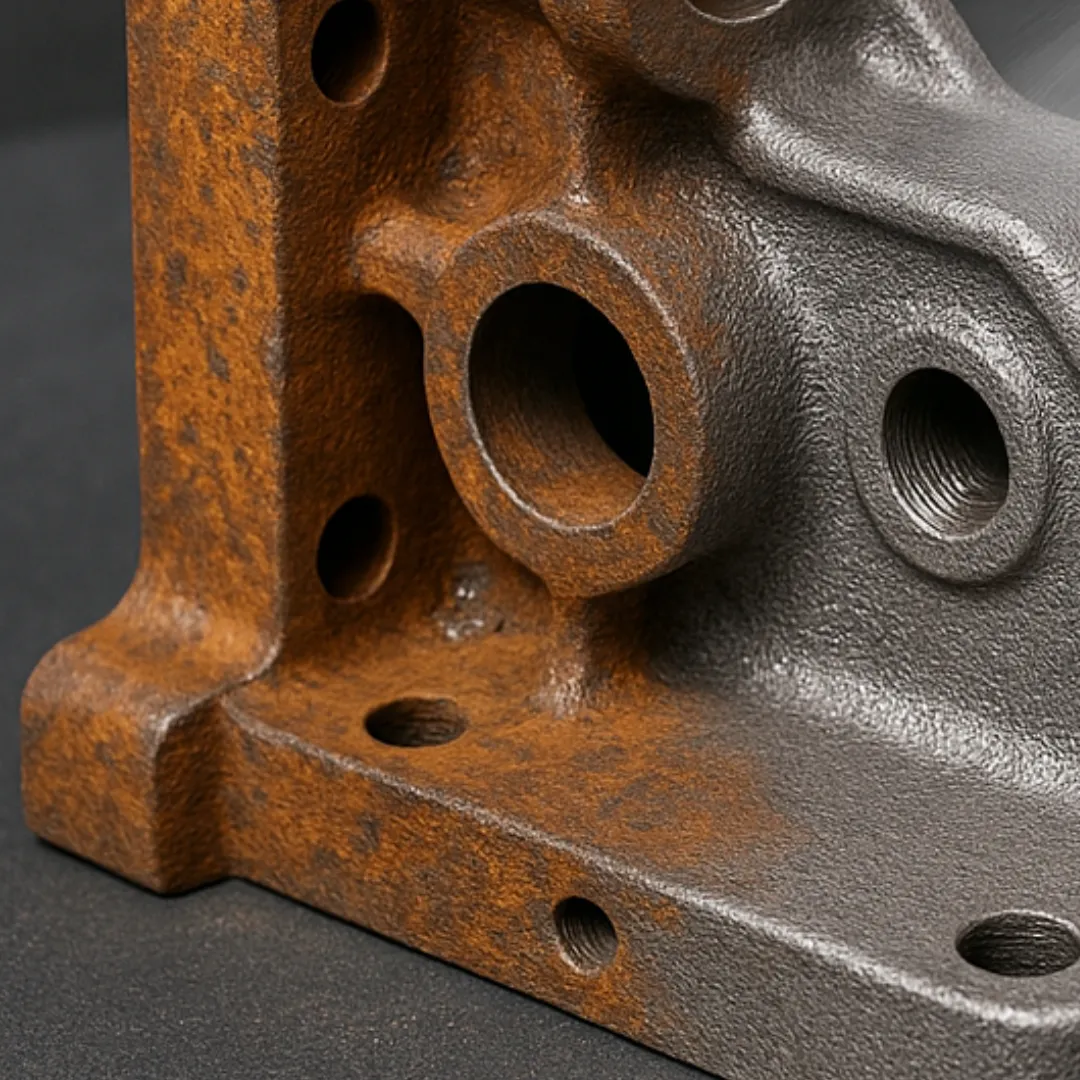
Explore laser cleaning, rust removal and precision surface treatment applications. Drag the gallery horizontally to rotate between the different industrial solutions.


Why Choose Laser Rust Removal?
Non-Destructive Process
Removes rust without damaging the base material or altering critical dimensions.
No Chemicals Required
A clean, environmentally friendly process with no acids, solvents or blasting media.
Micron-Level Precision
Selective rust removal only where needed, even on complex geometries and delicate surfaces.
Minimal Downtime
Fast processing speeds reduce maintenance time and increase production availability.
Consumable-Free Technology
No abrasive materials, chemicals or replacement tools, resulting in lower operating costs.
Consistent & Repeatable Results
Every component receives the same high-quality surface treatment, ensuring reliable and repeatable performance.