Laser Coloring System
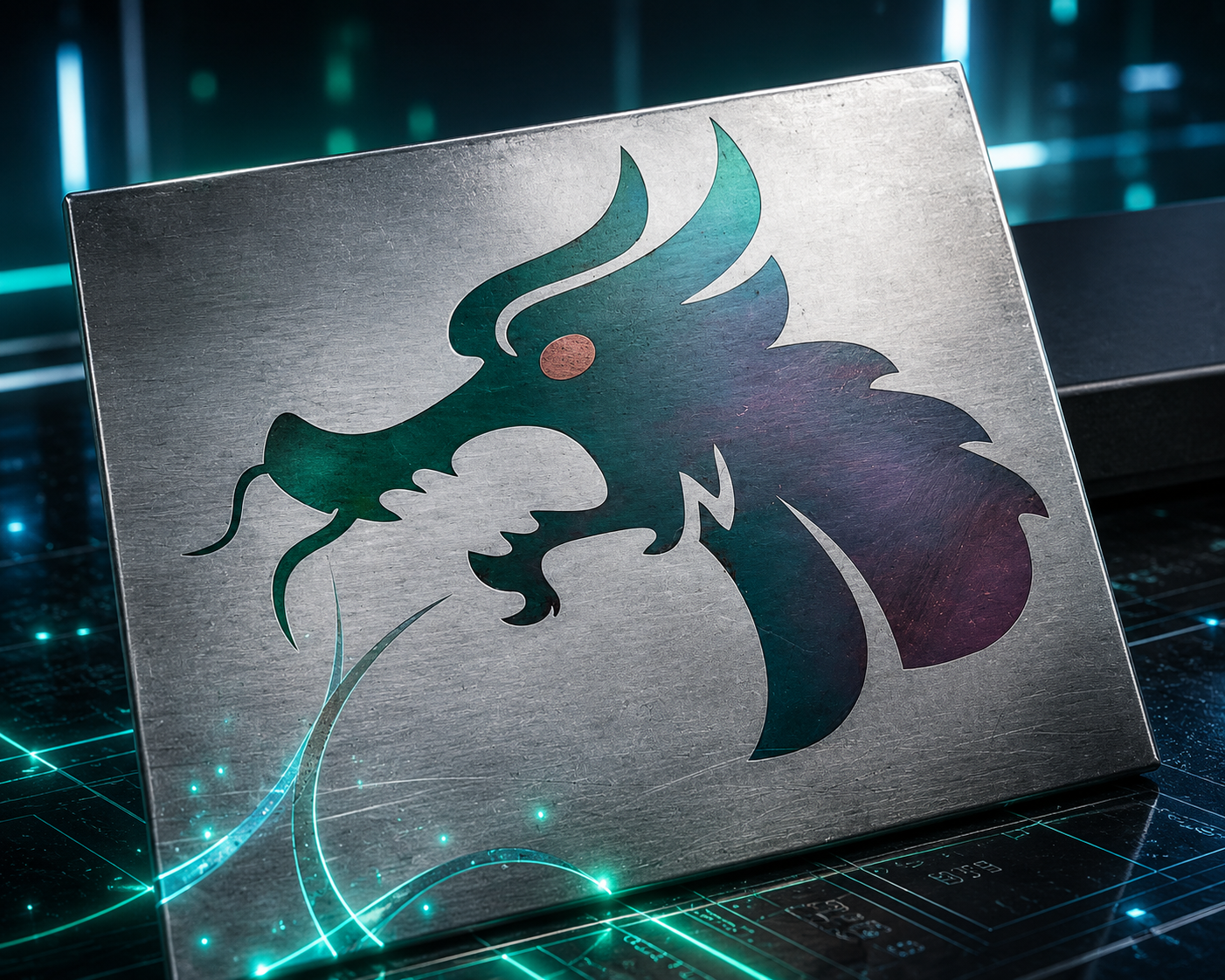
Color laser marking is an advanced, contact-free process that creates permanent colors directly on the material surface, without the use of inks, paints, or additional chemicals. By precisely controlling the laser parameters, the natural oxide layer of certain metals can be modified to produce vibrant and repeatable colors while preserving the material’s integrity.
This environmentally friendly technology offers exceptional precision, outstanding durability, and high repeatability, making it ideal for decorative finishes, product identification, branding, traceability, and functional color coding. The result is a clean, wear-resistant marking process with no consumables, minimal maintenance, and zero chemical waste.
Why Choose Color Laser Marking?
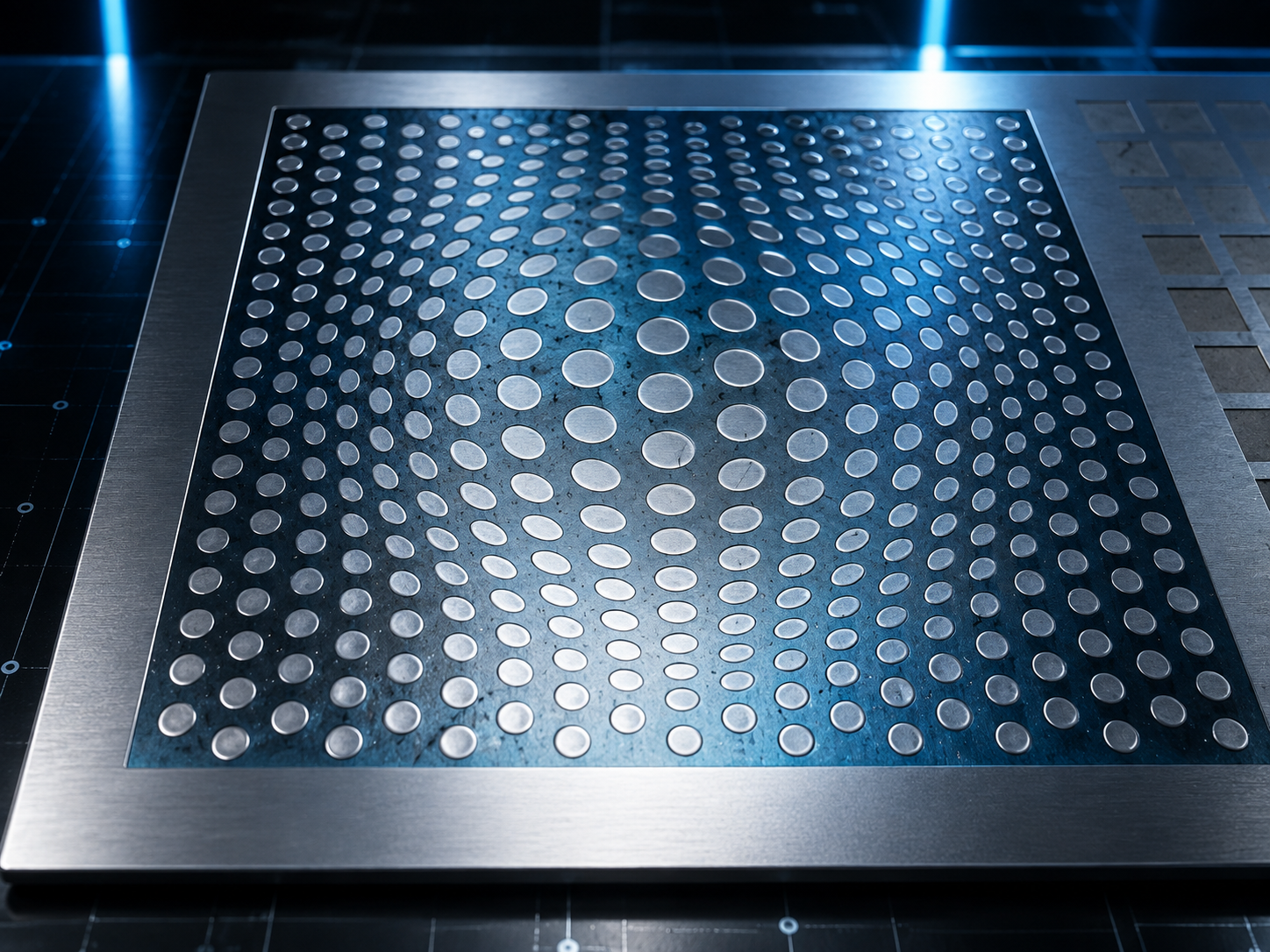
Color laser marking is more than a visual enhancement, it is a functional and sustainable manufacturing technology. Unlike conventional coloring methods, the laser modifies the material surface itself, creating permanent colors without adding any foreign substances. This results in a highly durable, environmentally friendly process with exceptional repeatability, making it suitable for demanding industrial applications.
Whether used for product identification, branding, traceability, decorative finishes, or functional color coding, laser-induced colors remain resistant to wear, solvents, and high temperatures while maintaining the original geometry and properties of the component.

Key Benefits
Move the cursor over the cards to reveal more information.
Produces vibrant colors without inks, paints, acids, or consumables, eliminating chemical waste and reducing environmental impact.
The color becomes part of the material surface, providing excellent resistance to abrasion, corrosion, UV exposure, and cleaning processes.
Generates sharp, consistent colors and fine details with micron-level accuracy, ensuring identical results across large production volumes.
Enables logos, serial numbers, QR/Data Matrix codes, functional color coding, and decorative graphics to be combined in a single, permanent marking process.


Eco-Friendly by Design
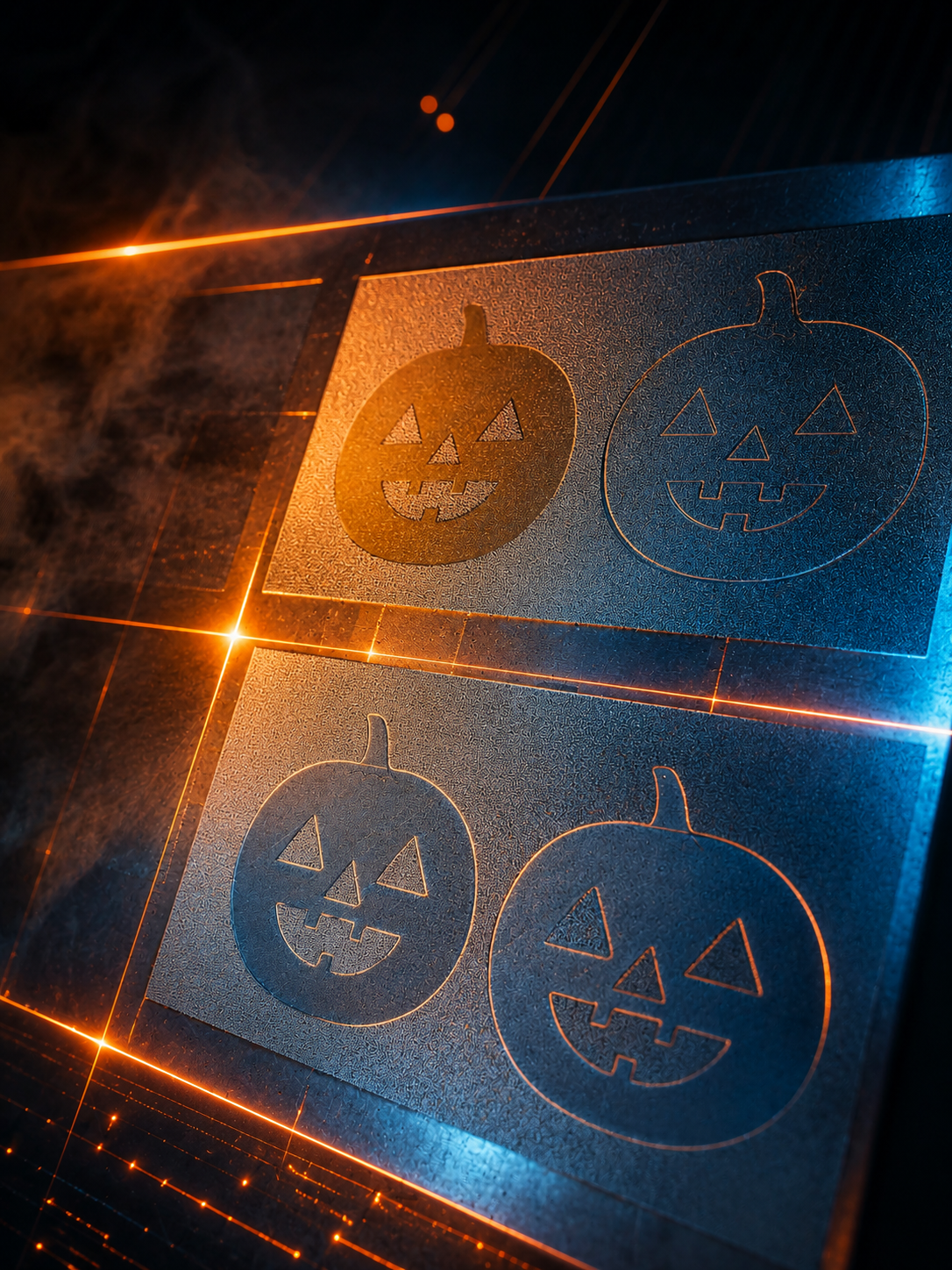
Sustainability is built into the color laser marking process. Instead of applying inks, paints, pigments, or chemical coatings, the laser precisely modifies the natural surface of the material to create permanent colors. This eliminates the need for additional consumables while significantly reducing waste and environmental impact.
Clean Process, Long-Term Value
The process is completely contact-free and produces no liquid waste, no chemical residues, and no hazardous by-products. Since there are no printing inks or solvents to replenish, operating costs are reduced while the production environment remains cleaner and safer.
Color laser marking also supports sustainable manufacturing by extending product lifetime. The markings are highly resistant to wear, UV exposure, heat, and cleaning agents, ensuring long-lasting identification without fading or peeling. This minimizes rework, reduces scrap rates, and contributes to a more resource-efficient production process.
Environmental Advantages