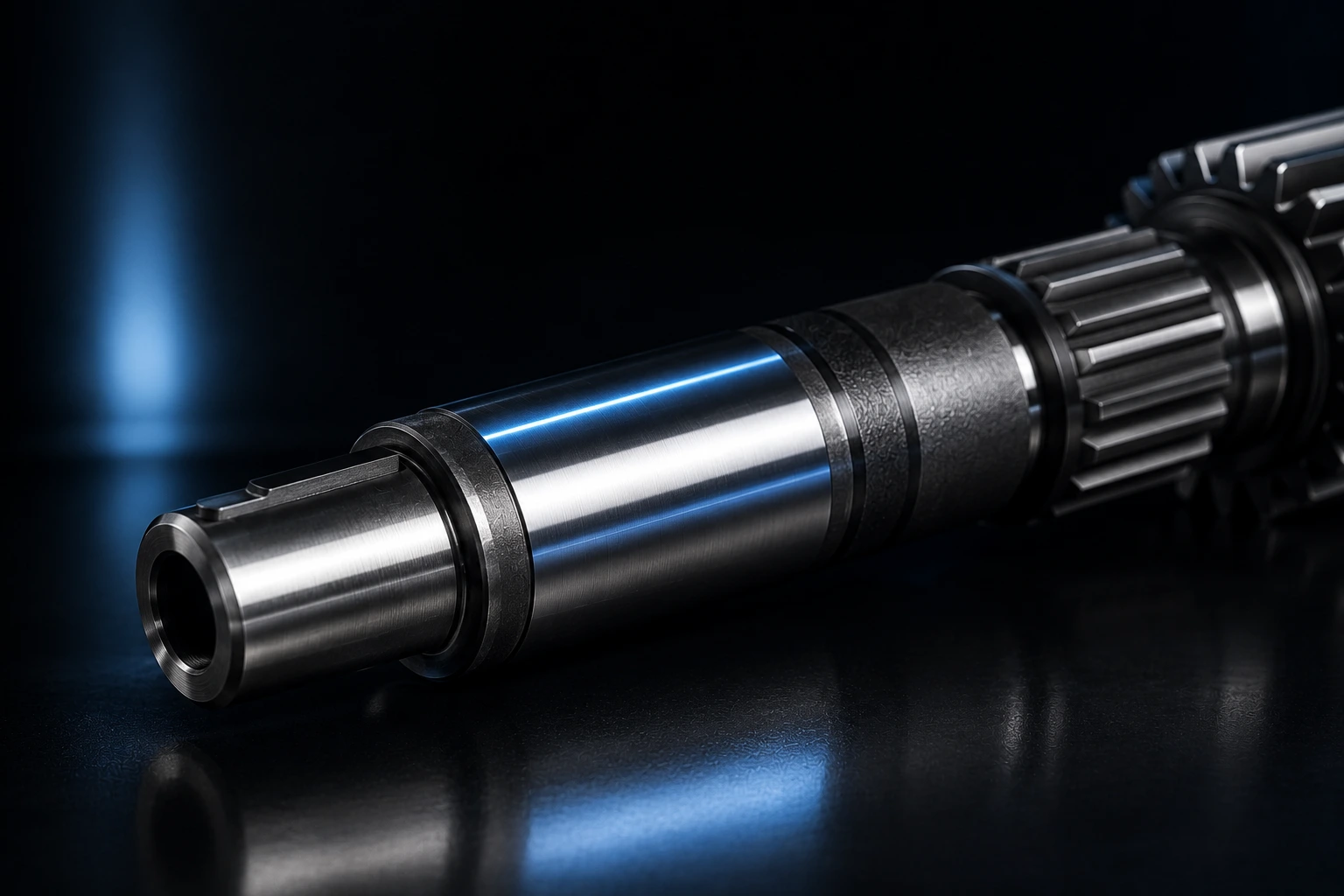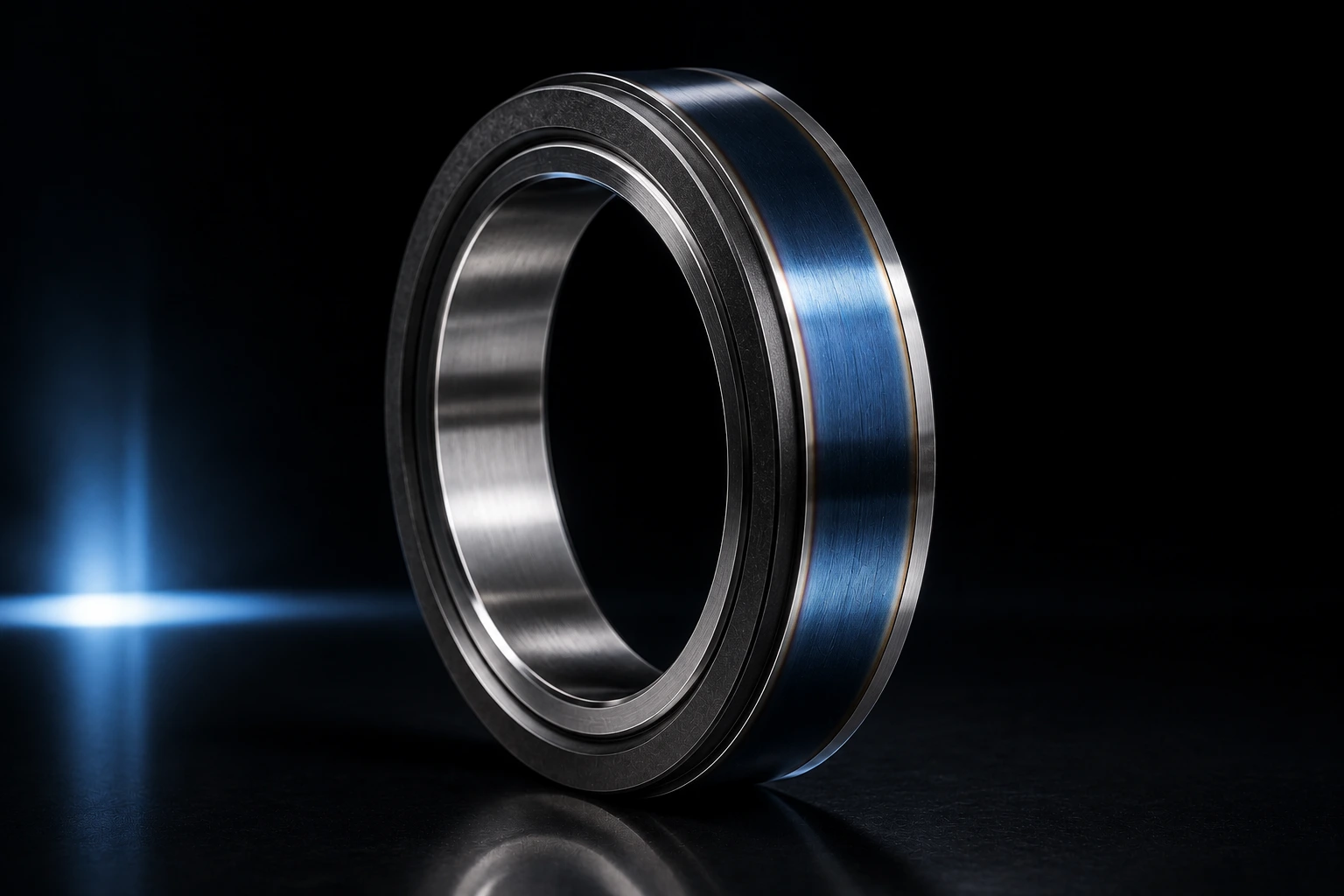
Laser Hardening
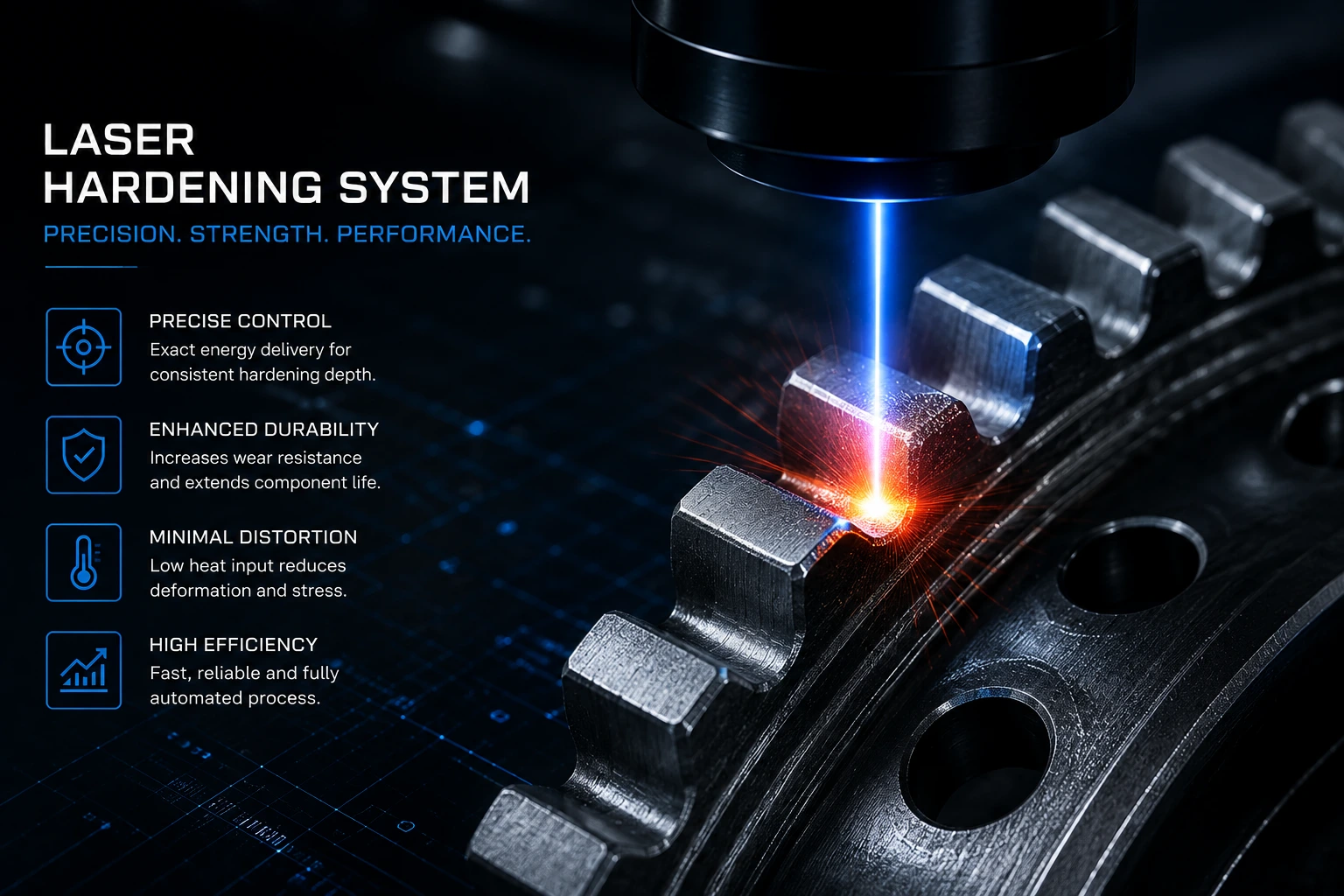
Laser hardening is a modern surface-engineering process that increases the wear resistance and lifetime of metal components through highly controlled heat input. The laser heats a thin surface layer into the austenitic range, after which the surrounding cooler material rapidly quenches it, forming a hard martensitic layer.
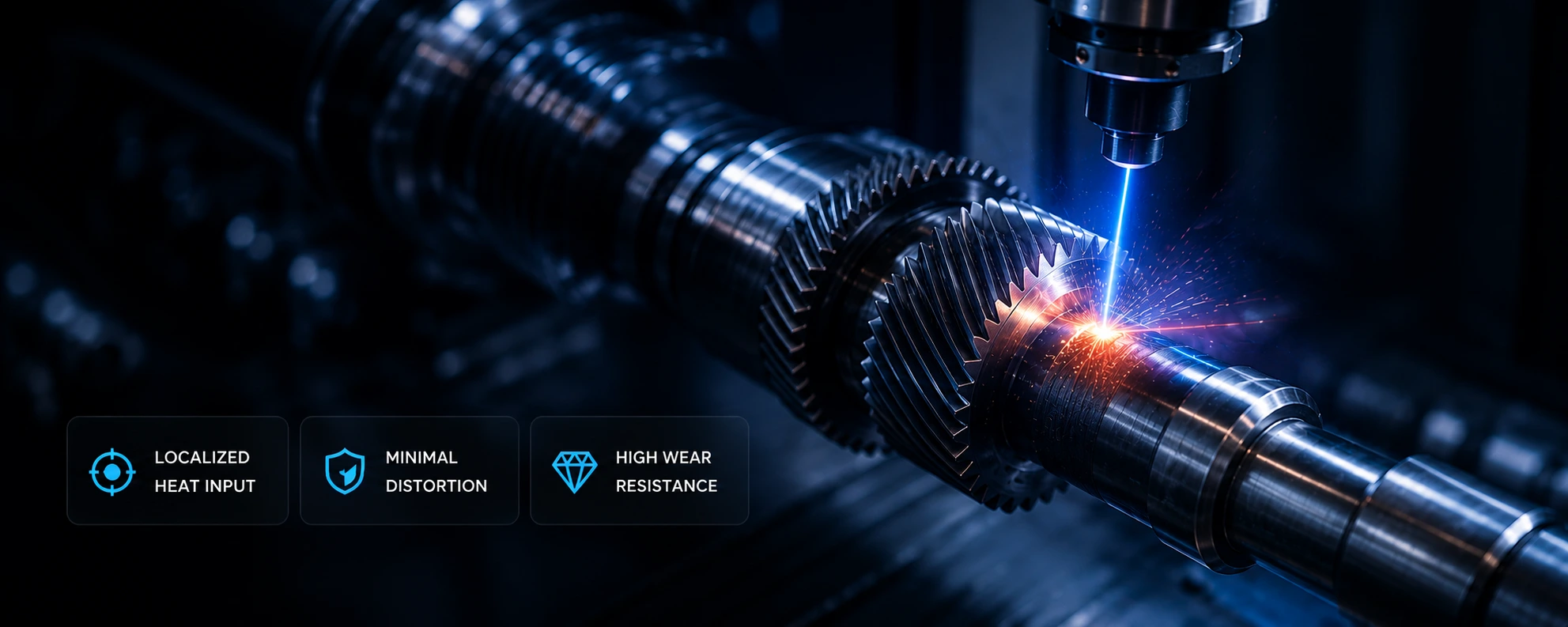
One of the greatest advantages of laser hardening is the minimal distortion, since the laser works only locally. This makes it far more precise and predictable than traditional induction or flame hardening.
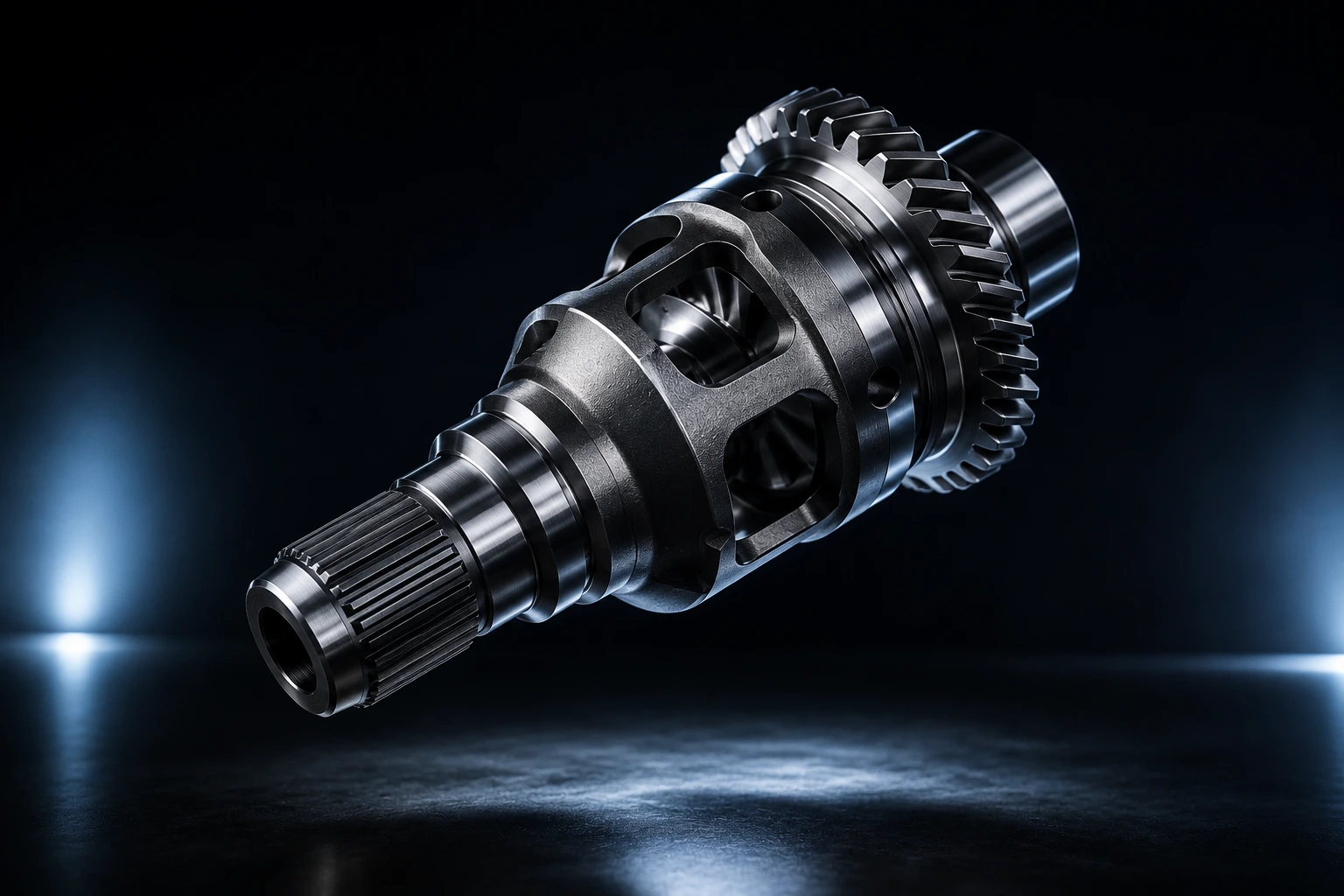
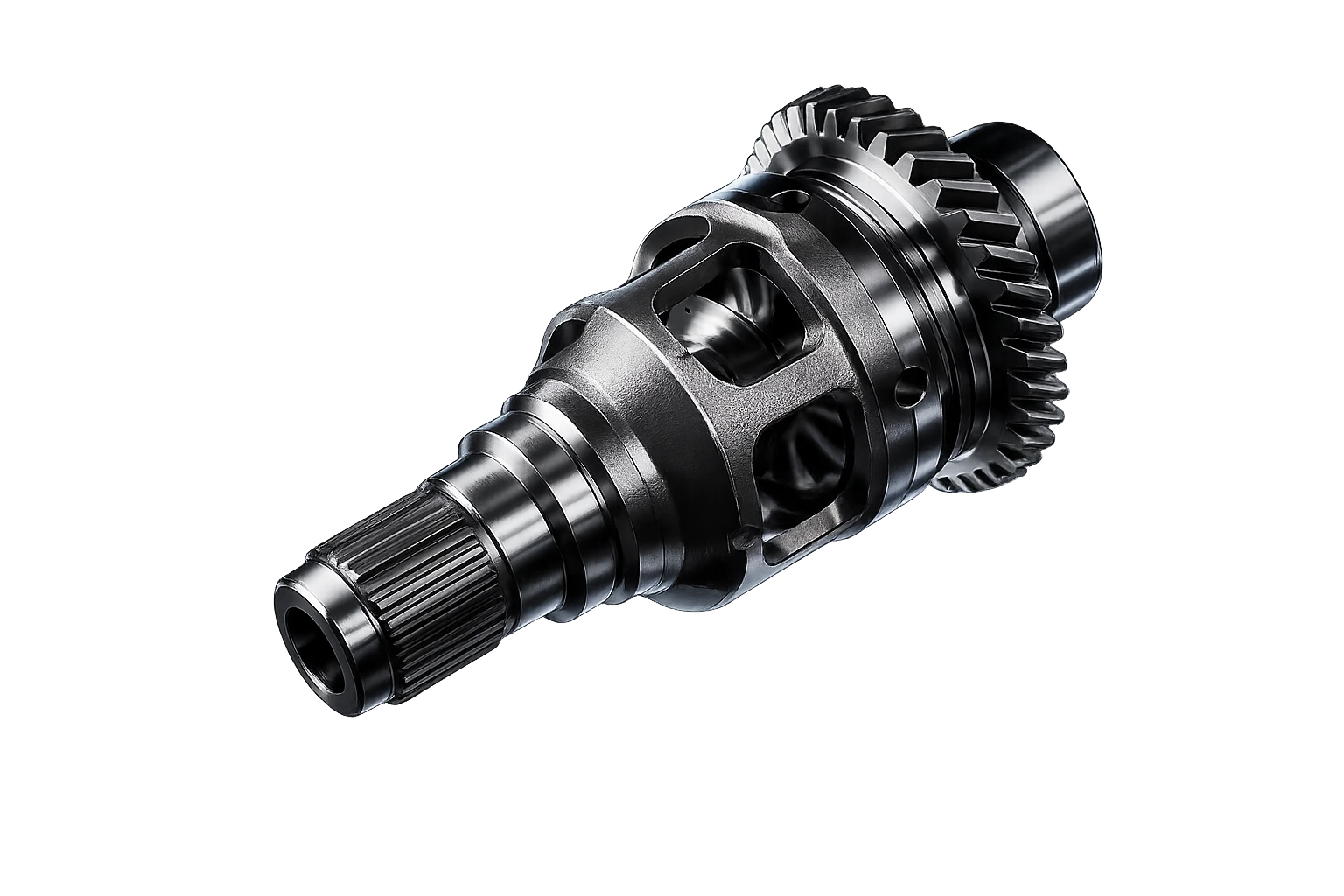
Why is laser hardening beneficial?
Laser hardening delivers precisely controlled surface treatment with minimal thermal impact on the surrounding material. The process is ideal for components where accuracy, repeatability and reduced deformation are essential.
Minimal deformation
The laser heats only the required surface area, while the surrounding material remains significantly cooler.
Precise hardening zones
Edges, bore rims, guide rails and complex geometries can be treated with high positional accuracy.
Contact-free process
No mechanical contact means no tool wear and no additional stress on the component.
Easy automation
The process can be integrated into robotic cells and automated production systems.
No coolant required
The base material itself provides the rapid quenching needed to form the hardened layer.
Wide industrial application
Ideal for gears, shafts, bearing surfaces, tool steels and precision machine components.