
Laser Welding
FibeerSX laser welding systems are designed for automotive, electronics, battery manufacturing, precision engineering and advanced metal fabrication where weld quality and process stability are critical.
Fibeer SX Laser Welding Technologies
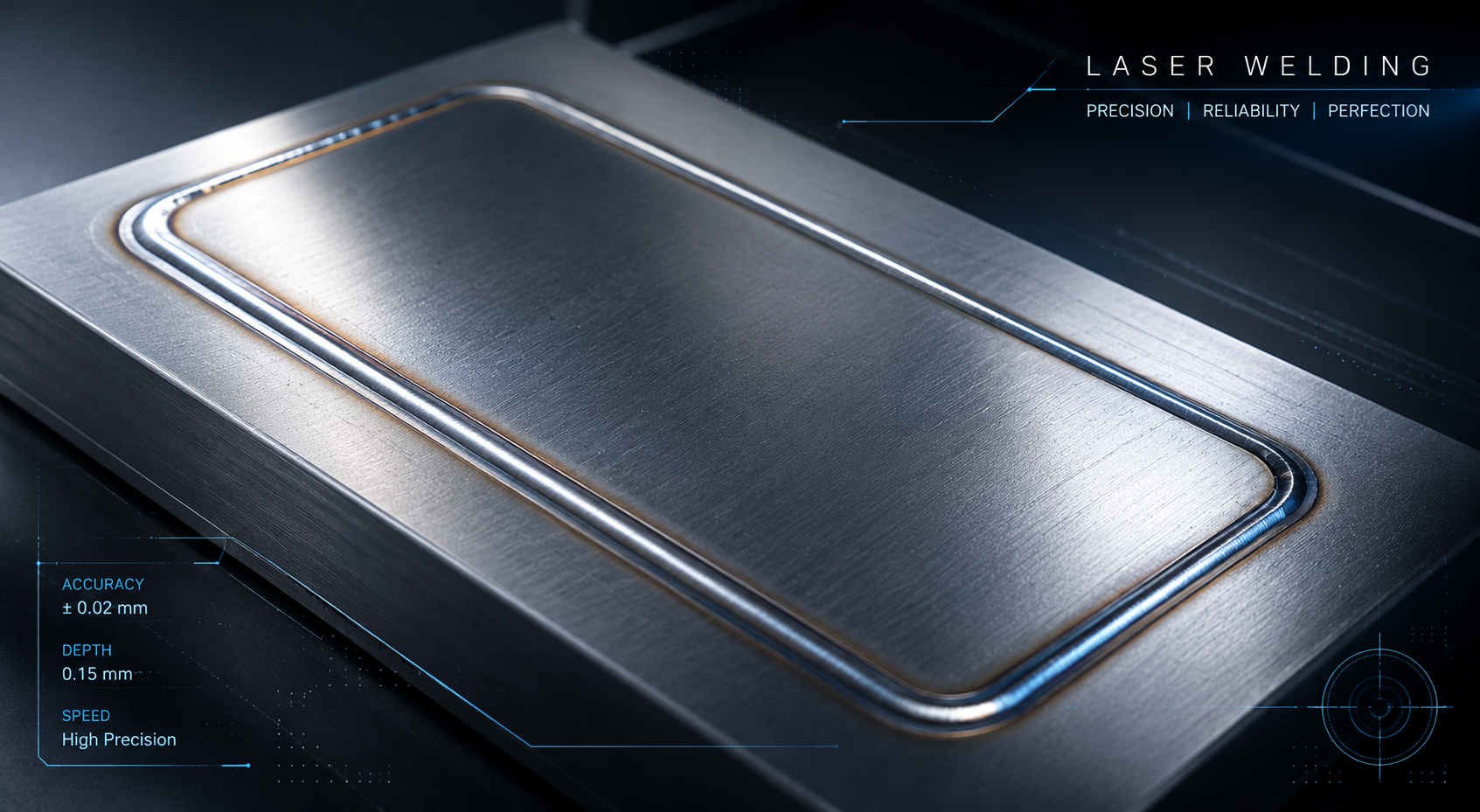
Precision laser welder
Laser micro-welding for delicate components, thin-walled materials and micron-accurate joints with minimal thermal impact.
View details →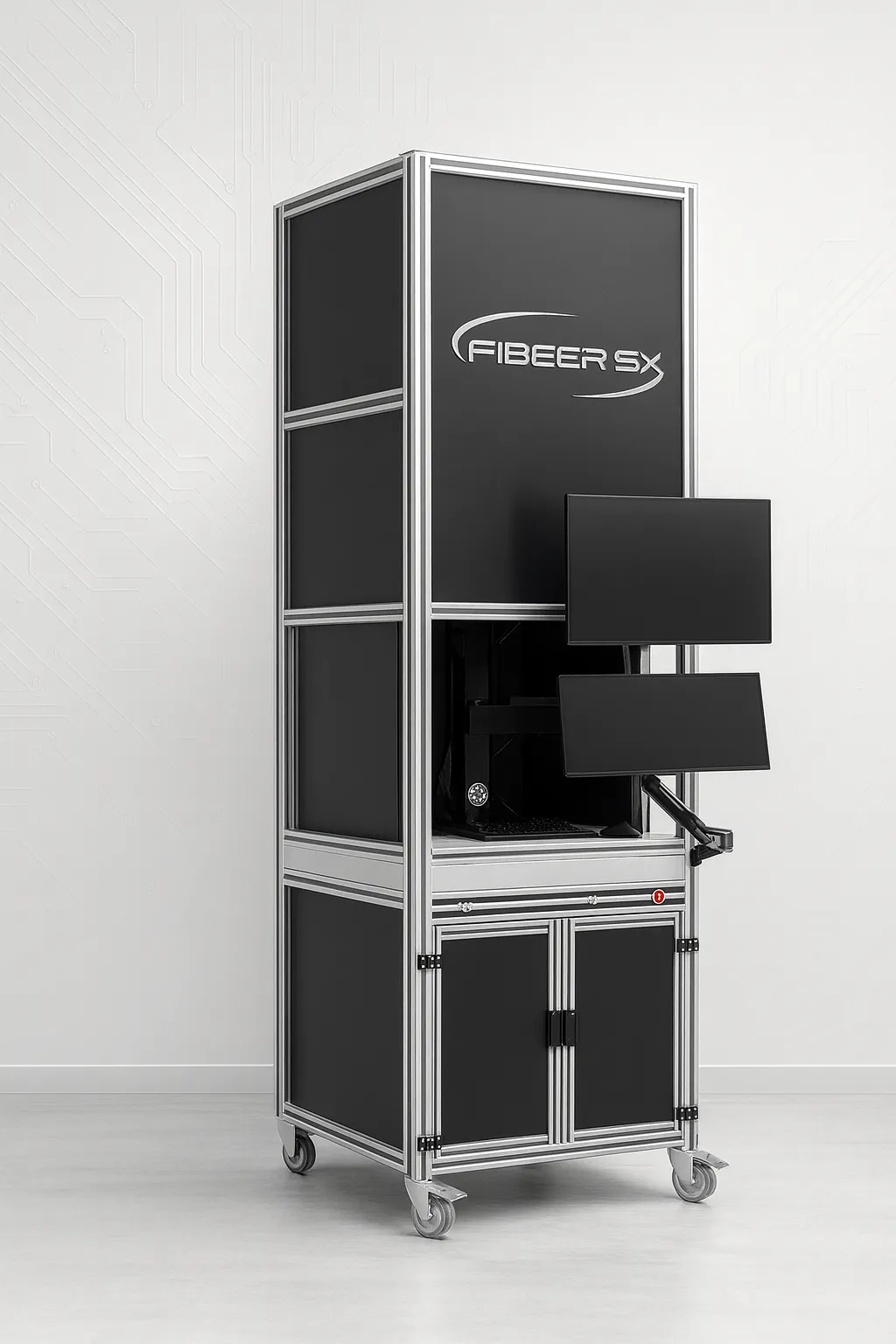
Automated laser welder
Fully enclosed, robot-integrated or inline welding systems for stable, high-volume and continuous industrial production.
View details →
1D laser welder
A flexible mobile solution for maintenance, prototyping, changing production tasks and optional robot-mounted operation.
View details →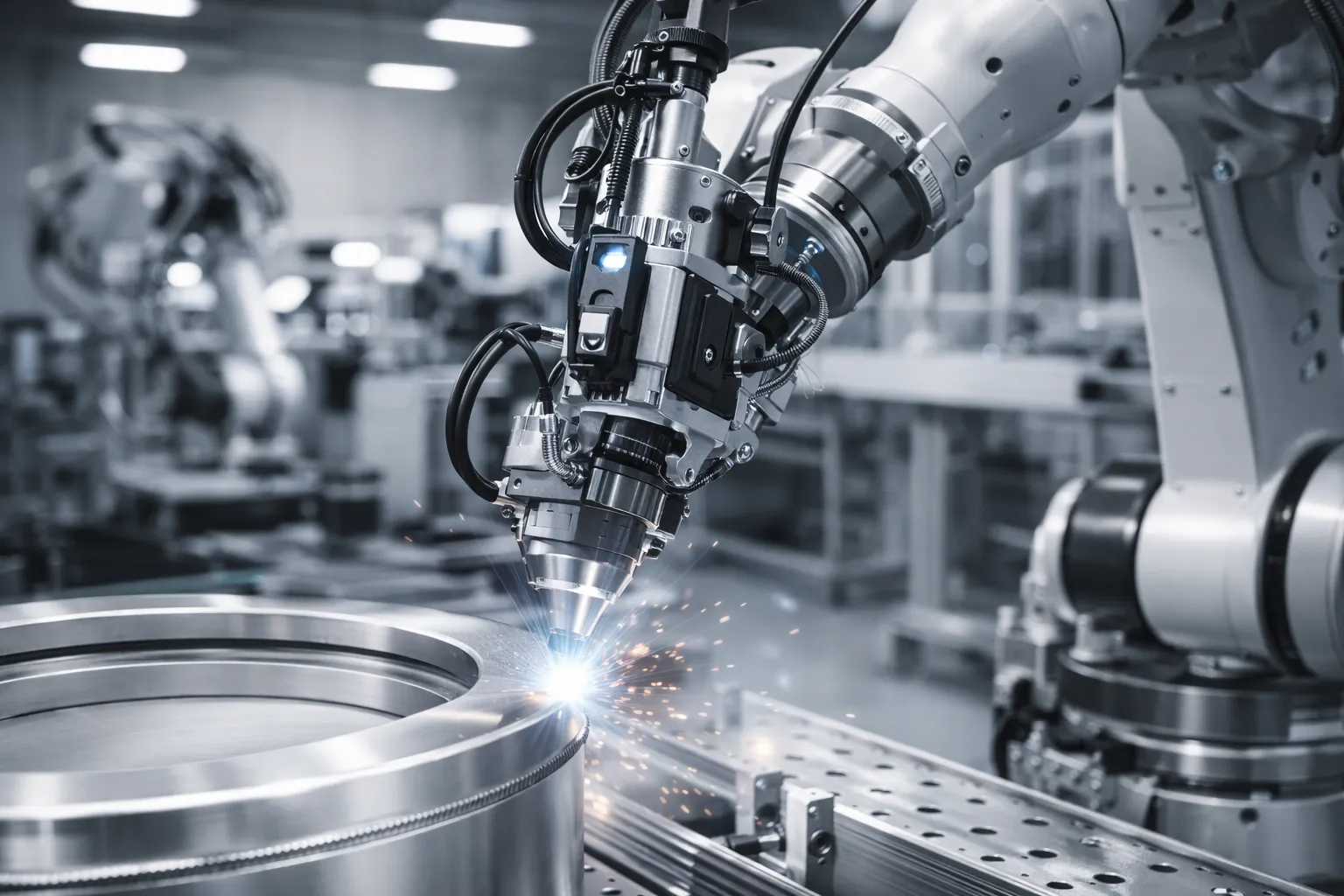
Robot-Mounted Laser Welder
Automated robotic welding for repeatable positioning, complex 3D paths and reliable 24/7 industrial operation.
View details →Download Technical Information
Please enter your company contact details to access the technical documentation.
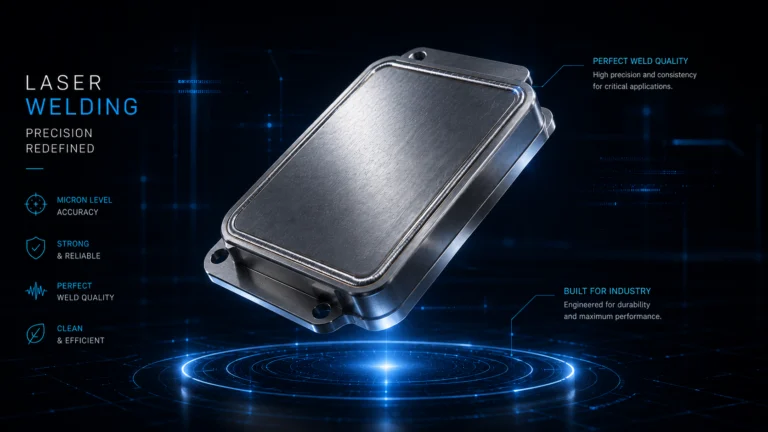
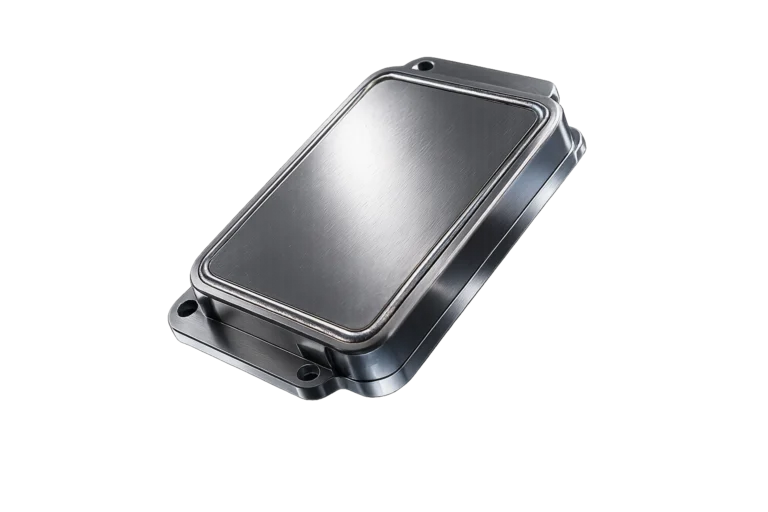
Laser Welding vs. Conventional Welding Technologies
High-precision welding with concentrated energy input and full automation potential.
FibeerSX laser welding combines ±0.01 mm system positioning precision, laser systems from 1.5 W up to 12,000 W and laser source lifetime of up to 100,000 operating hours. The highly controllable energy input enables narrow, precise welds and localized processing while supporting robotic, PLC and automated production-line integration.
| Property / Technology | FibeerSX Laser Welding Precision Laser Technology | MIG / MAG Arc Welding | TIG Arc Welding | Spot Welding Resistance Welding | Plasma Plasma Arc Welding |
|---|---|---|---|---|---|
| System Positioning Precision | ±0.01 mm FibeerSX system positioning precision | Robot / system dependent | Robot / system dependent | Fixture / electrode dependent | Robot / system dependent |
| Available Laser Power Range | 1.5 W – 12,000 W FibeerSX technology portfolio; application-specific configuration | Not applicable | Not applicable | Not applicable | Not applicable |
| Laser Source Lifetime | Up to 100,000 h laser source operating lifetime | Not applicable | Not applicable | Electrode service life applies | Not applicable |
| Process Type | ✓ Non-contact energy delivery | Arc welding | Arc welding | Contact resistance process | Plasma arc process |
| Heat Input |
Highly Localized
concentrated energy can be applied directly to the weld zone
|
Higher / process-dependent | Process-dependent | Localized at contact points | Process-dependent |
| Heat-Affected Zone | ✓ Narrow / localized actual HAZ depends on material, thickness, power and welding parameters | Typically wider | Typically wider | Localized around weld points | Process-dependent |
| Thermal Distortion | ✓ Low potential due to localized heat input when correctly parameterized | Higher potential | Moderate / process-dependent | Localized | Process-dependent |
| Welding Speed | ✓ High actual mm/s depends on joint geometry, material, thickness and laser power | Medium to high | Generally lower | Very fast individual weld cycle | Medium to high |
| Weld Seam Geometry | ✓ Narrow & precise | Typically wider bead | Controlled bead geometry | Discrete weld points | Controlled continuous seam |
| Fine / Micro Components | ✓ High precision optical configuration and application dependent | Limited for very fine features | Possible with suitable setup | Electrode geometry dependent | Possible with suitable setup |
| Mechanical Tool Contact | ✓ None | No mechanical pressing tool | No mechanical pressing tool | Electrode contact required | No mechanical pressing tool |
| Filler Material | ✓ Optional autogenous or filler-assisted welding depending on application | Typically wire electrode | Optional filler rod | Typically none | Optional |
| Shielding Gas | △ Application dependent | Required | Required | Typically not required | Required |
| Electrode Wear | ✓ None | Wire is continuously consumed | Tungsten electrode wear / maintenance | Electrode wear | Electrode / torch component wear |
| Process Consumables | △ Low shielding gas, filler wire and protective optics may be required depending on application | Wire + shielding gas | Gas + optional filler | Electrodes | Gas + torch consumables |
| Post-Processing | ✓ Can be minimized depending on weld requirements and surface quality | May require grinding / finishing | Application dependent | Usually limited | Application dependent |
| Repeatability | ✓ High digitally stored parameters and automated positioning | High when automated | High when automated | High in automated systems | High when automated |
| Process Recipes | ✓ Digital product-specific parameter sets can be stored | Digital parameters possible | Digital parameters possible | Digital parameters possible | Digital parameters possible |
| Automation | ✓ Full PLC / Robot Integration | Excellent | Excellent | Excellent | Excellent |
| Robot Integration | ✓ Directly integrable | Common | Possible | Common | Possible |
| Inline Production | ✓ Excellent | Excellent | Possible | Excellent | Possible |
| Process Monitoring | ✓ Digital power, speed, recipe and system data can be monitored | Digital monitoring possible | Digital monitoring possible | Current / force monitoring possible | Digital monitoring possible |
| Traceability | ✓ Process data integration | Possible with integrated system | Possible with integrated system | Possible with integrated system | Possible with integrated system |
| High-Mix Production | ✓ High flexibility recipe, beam path and parameters can be changed digitally | Program / tooling dependent | Program / setup dependent | Electrode and fixture dependent | Program / setup dependent |
| Best Suited For | Precision components, automated production, narrow weld seams, complex geometries, low-distortion applications and high-repeatability processes | General fabrication, structural components and higher deposition requirements | High-quality controlled welding, thinner materials and manual precision work | High-volume sheet-metal joining and automotive body applications | Precision arc welding and applications requiring controlled plasma energy |
Download Technical Information
Please enter your company contact details to access the technical documentation.
What Metals and Alloys Can Be Laser Welded?
FibeerSX laser welding systems support an extremely wide material range, making them ideal for nearly all industrial applications.
Laser welding is highly effective on:
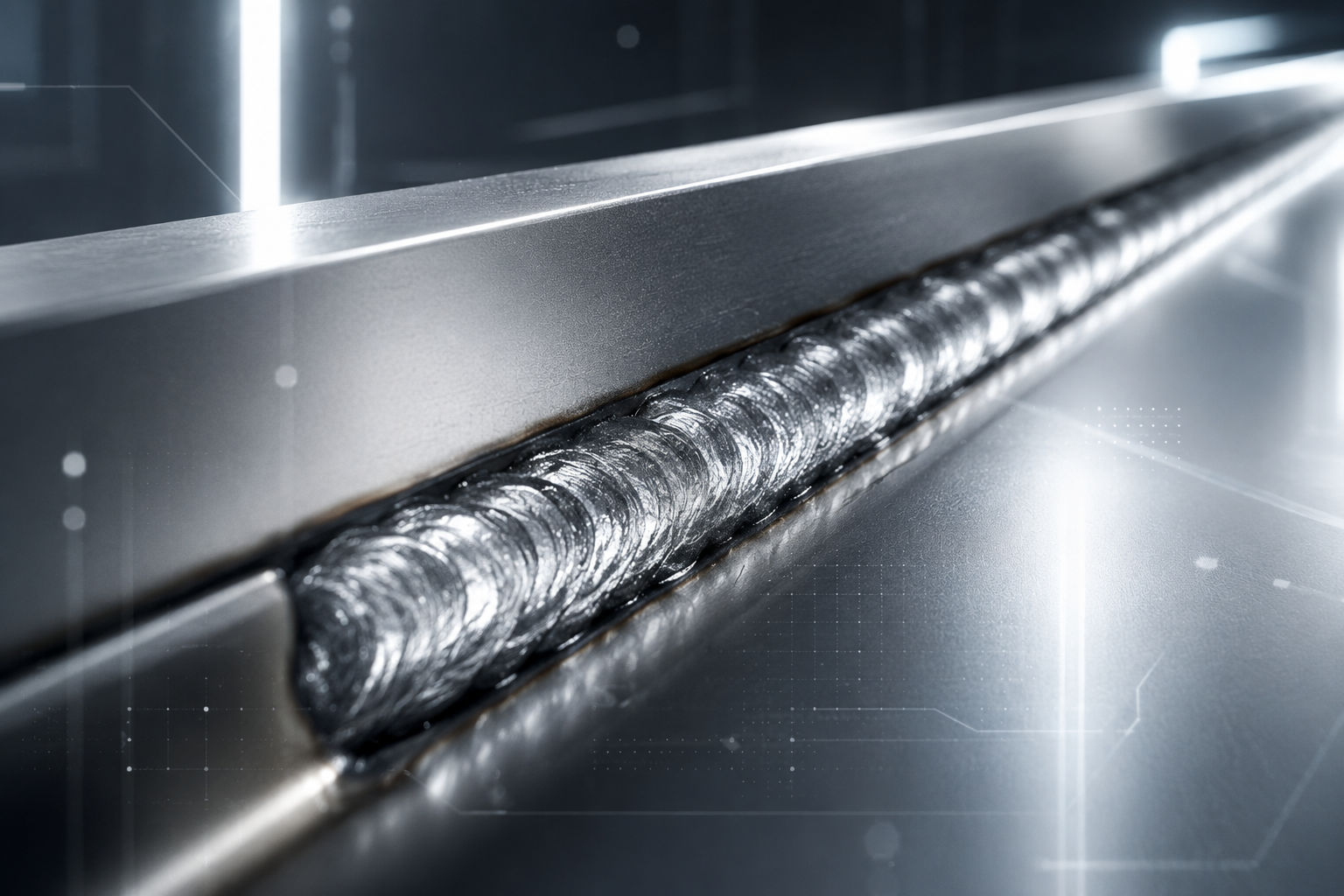
steel, hardened steel, stainless steel
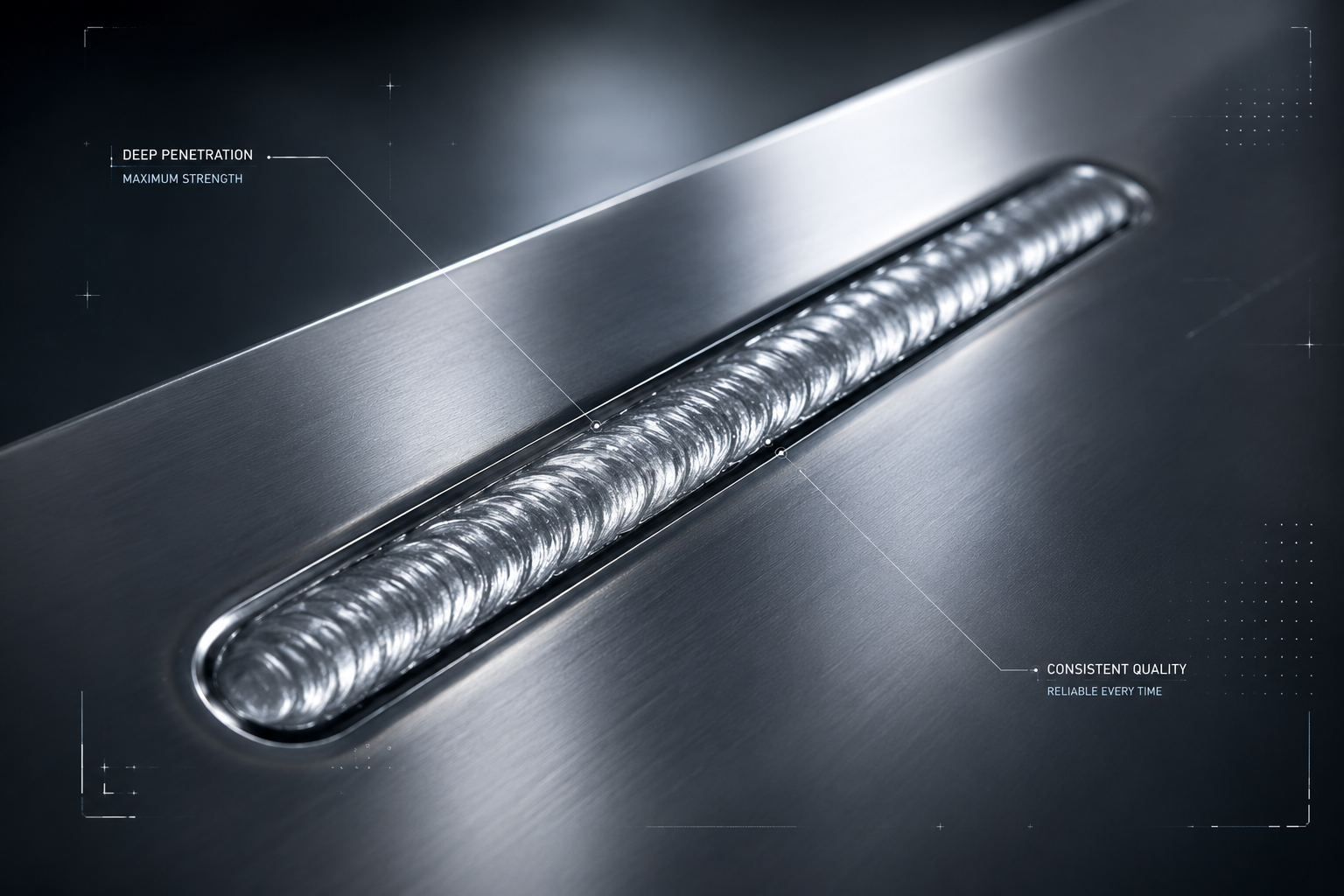
aluminum and aluminum alloys
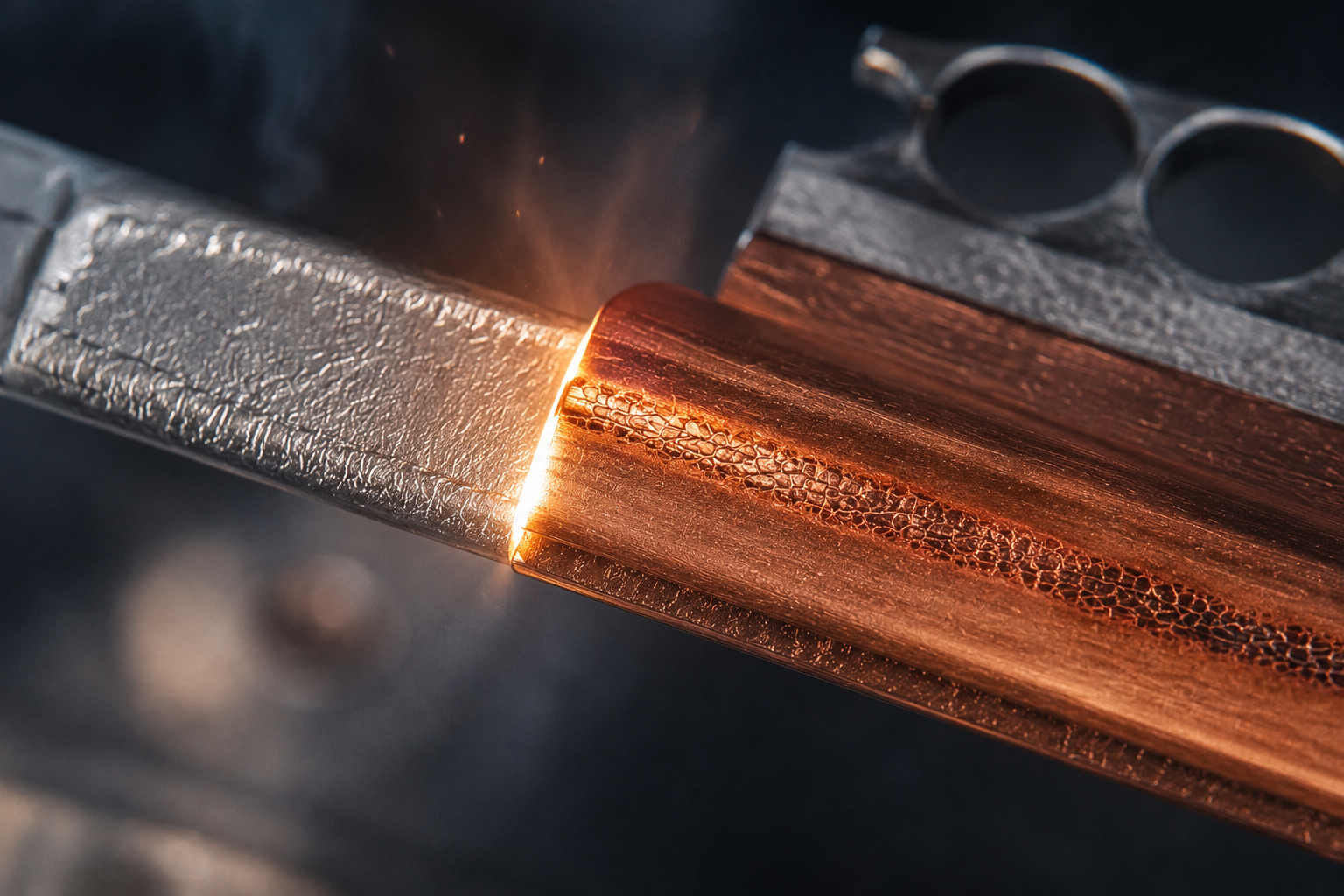
copper, brass, bronze
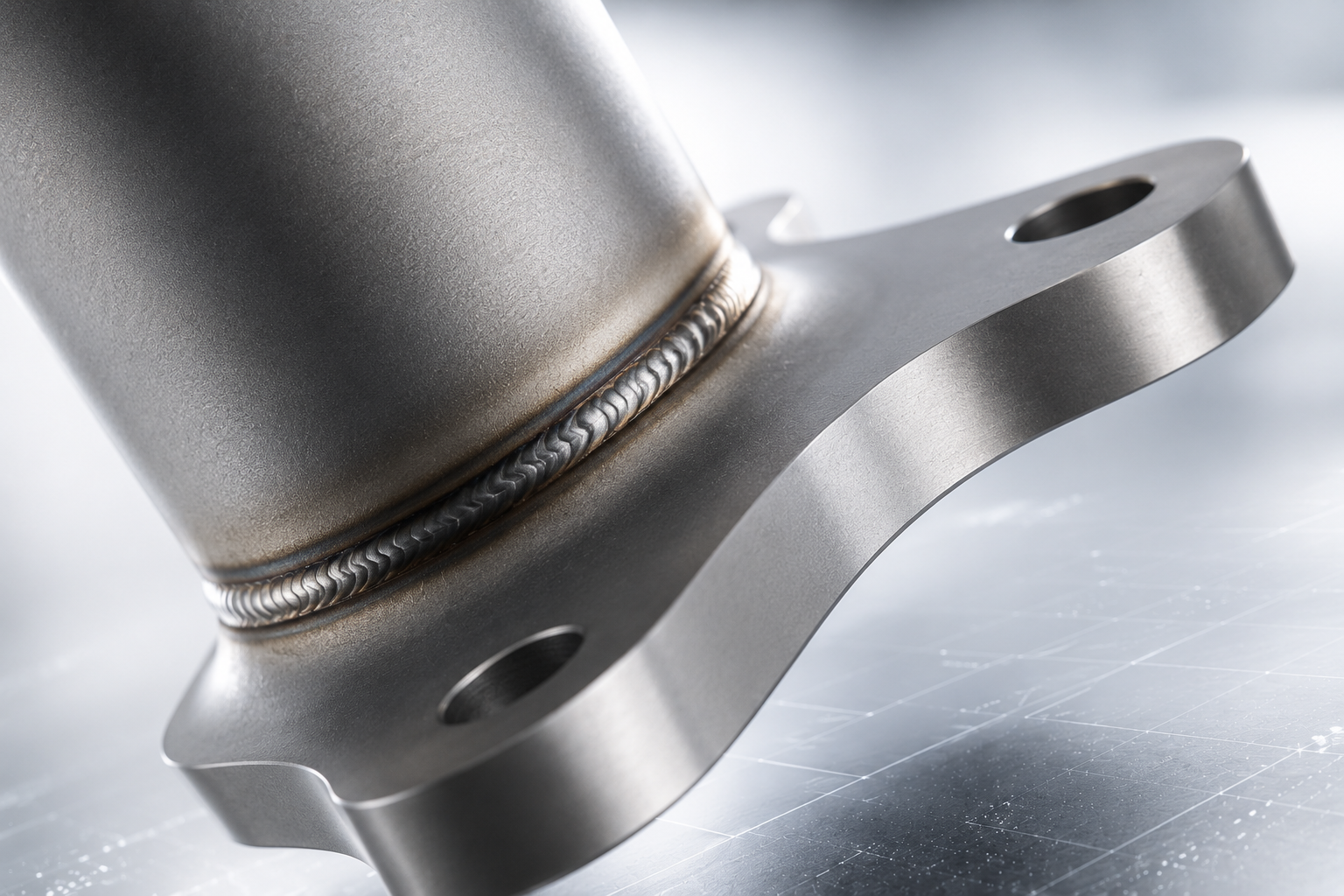
titanium and nickel alloys
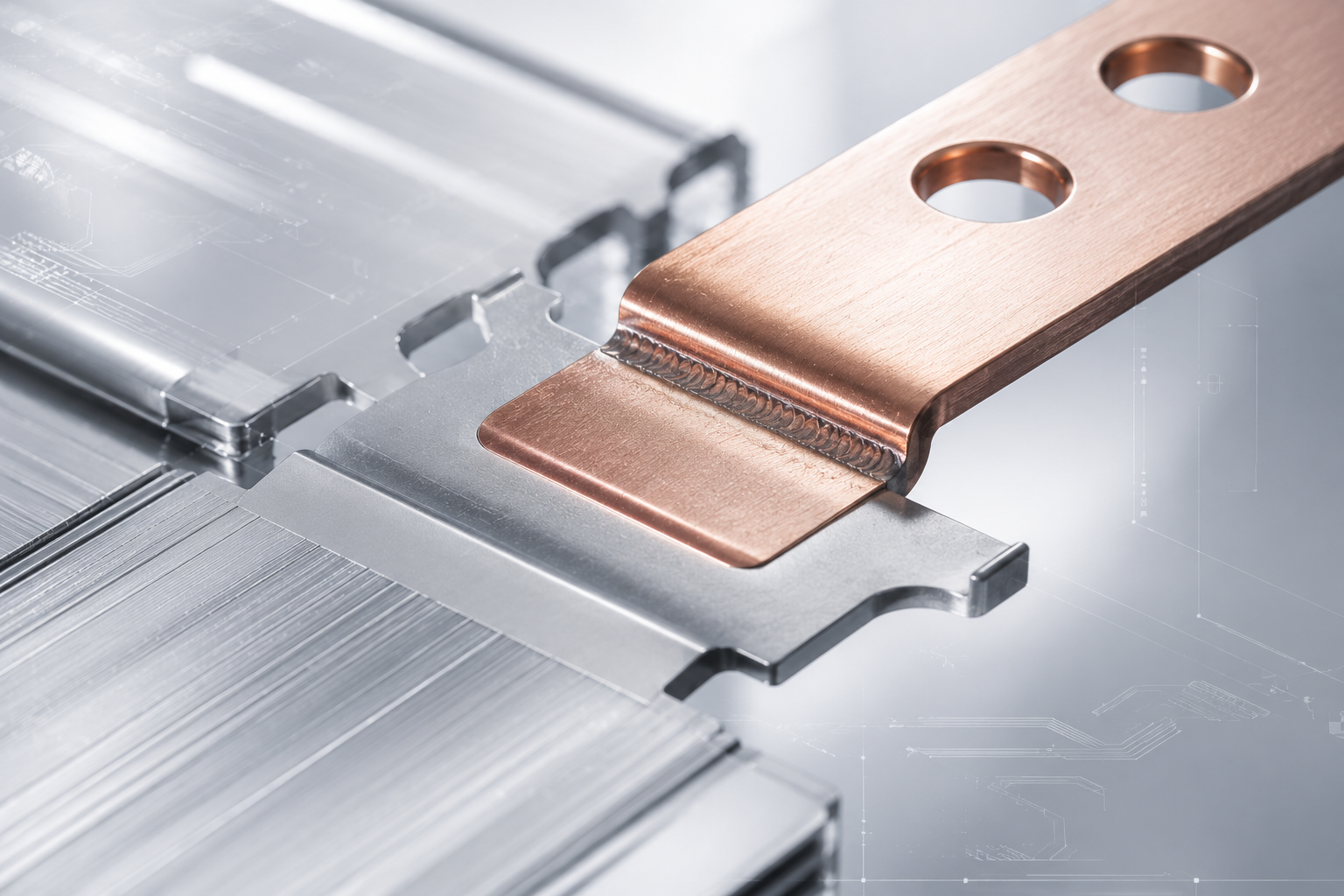
battery foils, busbars and other thin-walled components
precision micro-mechanical parts
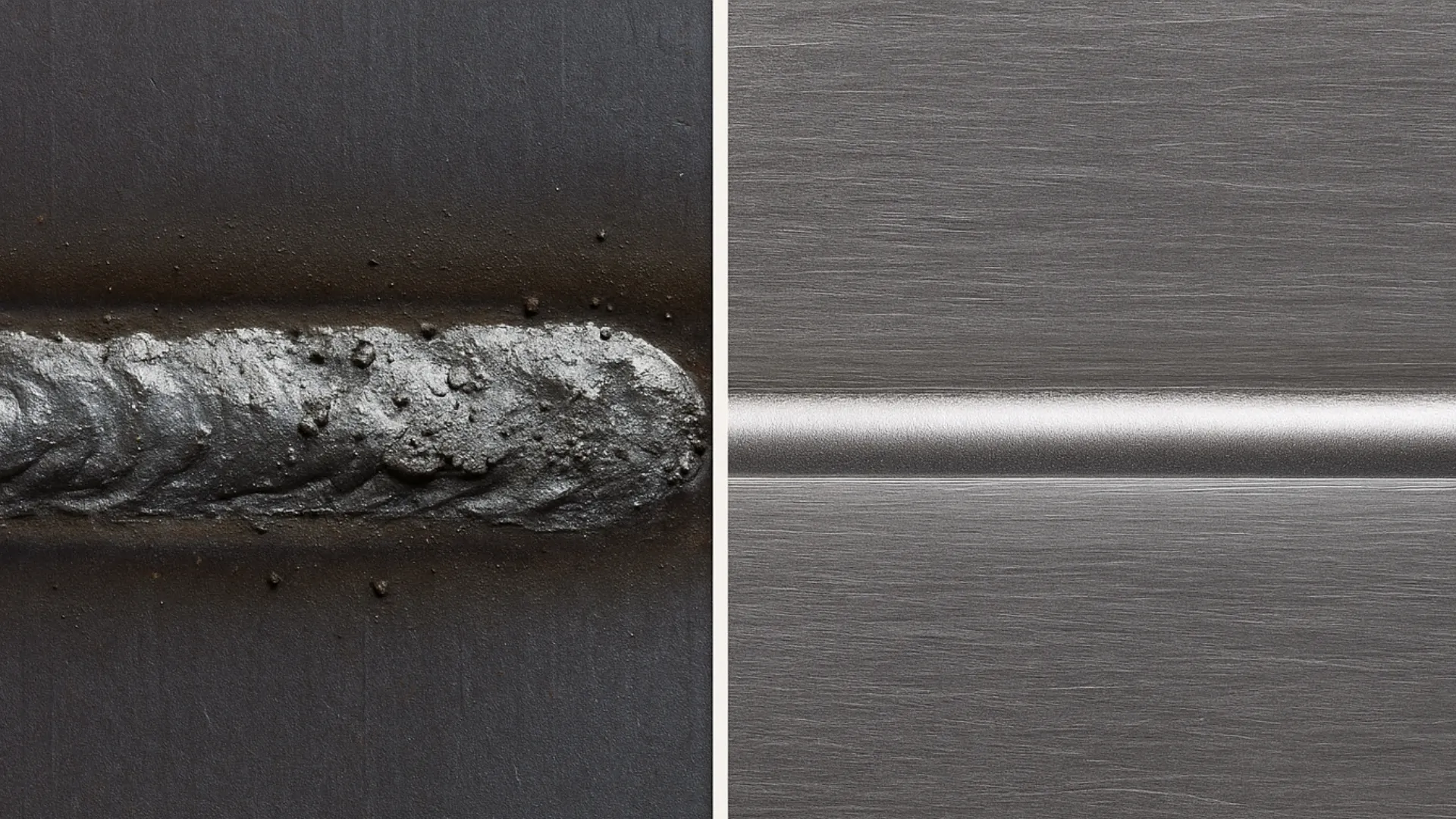
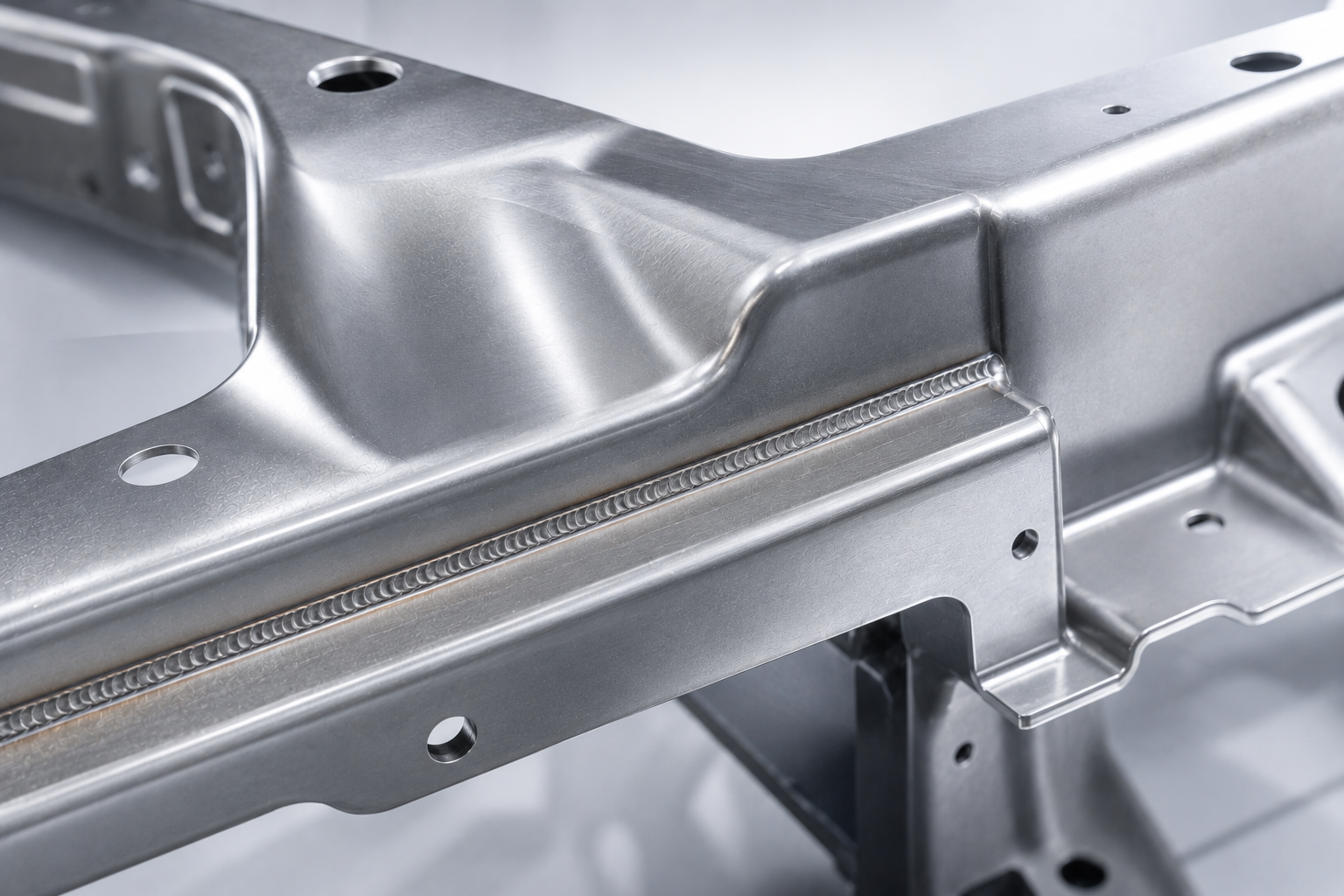
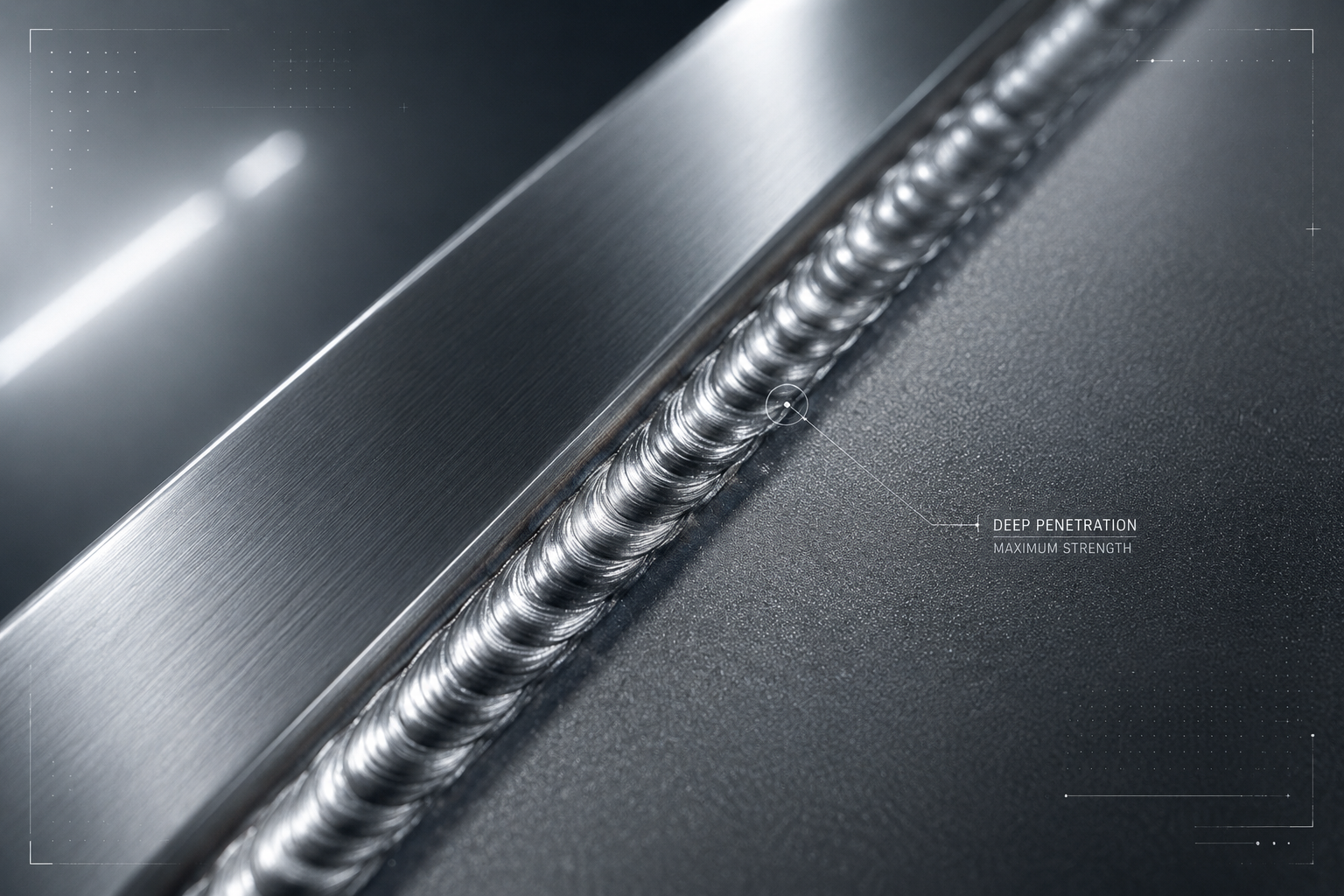
The technology provides clean, stable and deformation-free welds even on heat-sensitive materials and high-precision geometries.
Why Do Modern Industries Choose Laser Welding?
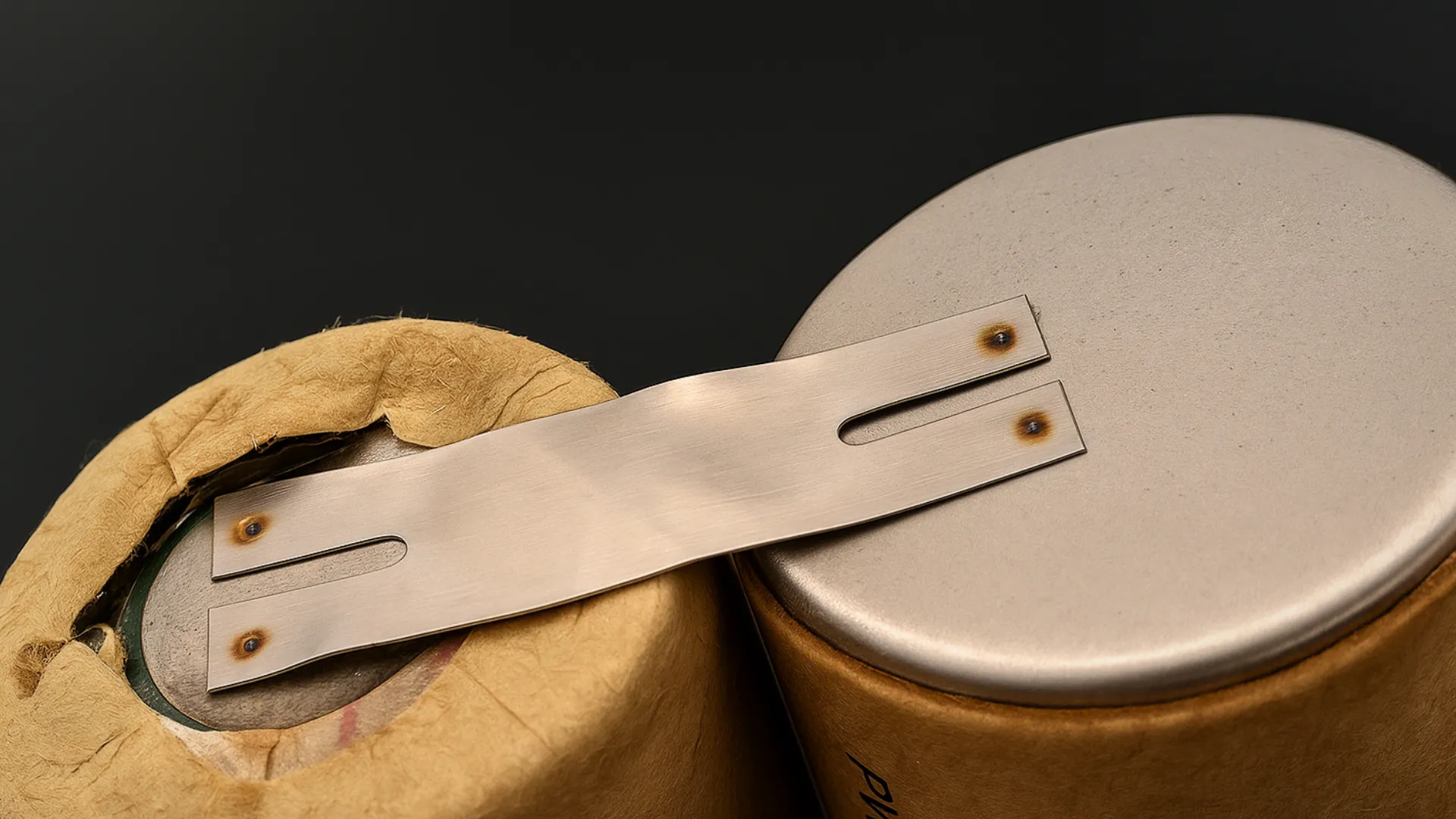
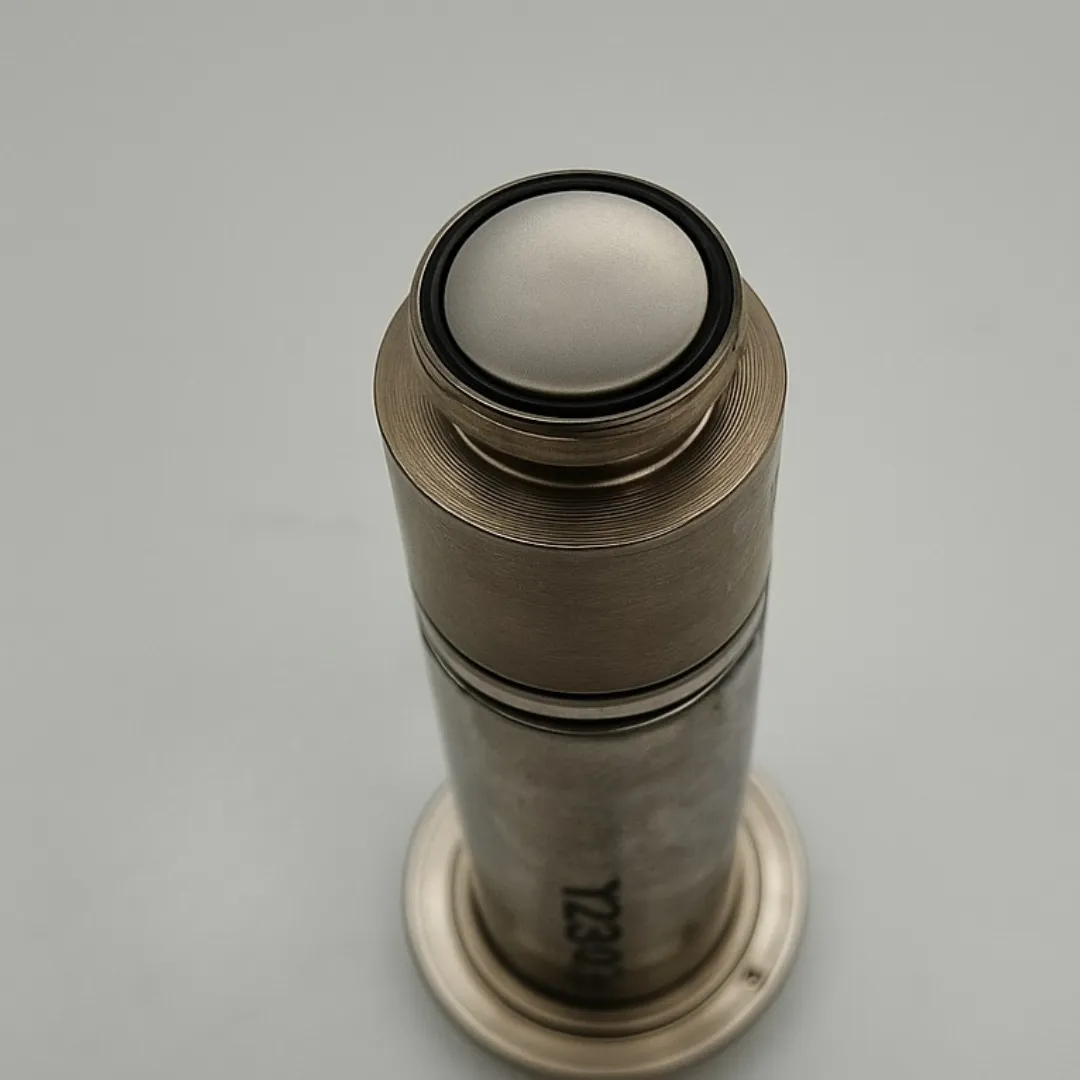
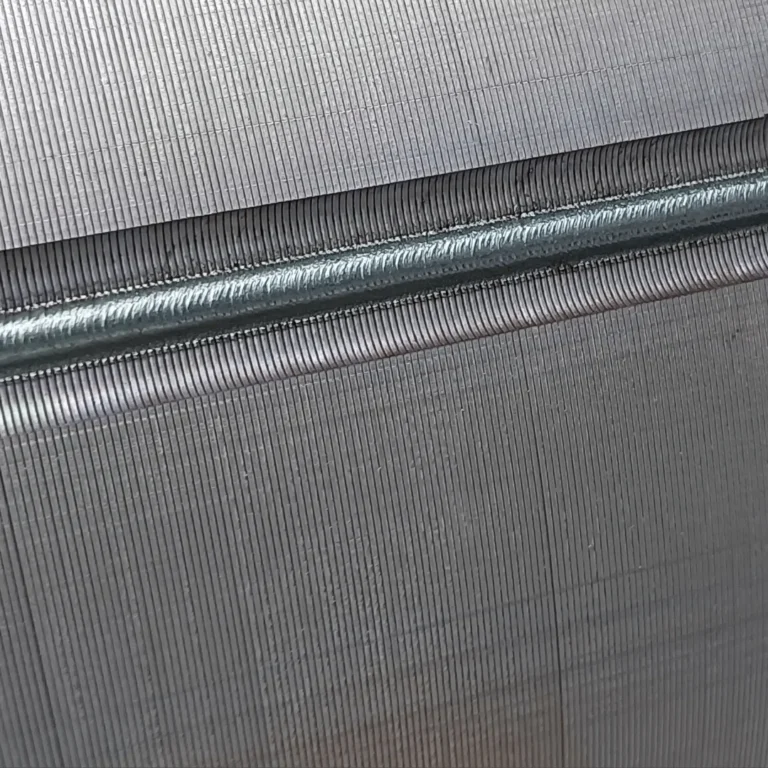

automotive body components and structural parts
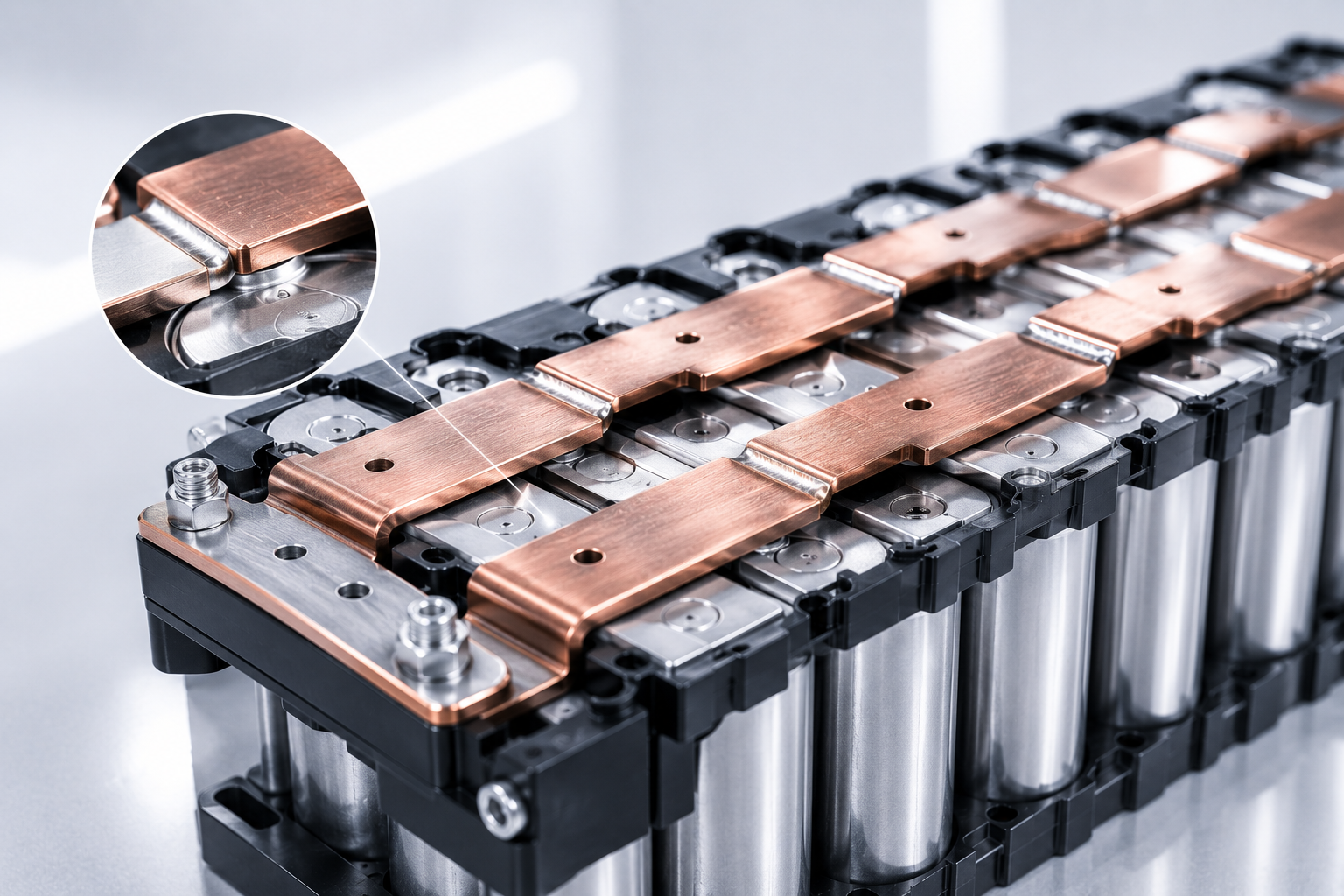
battery cells and busbar assemblies
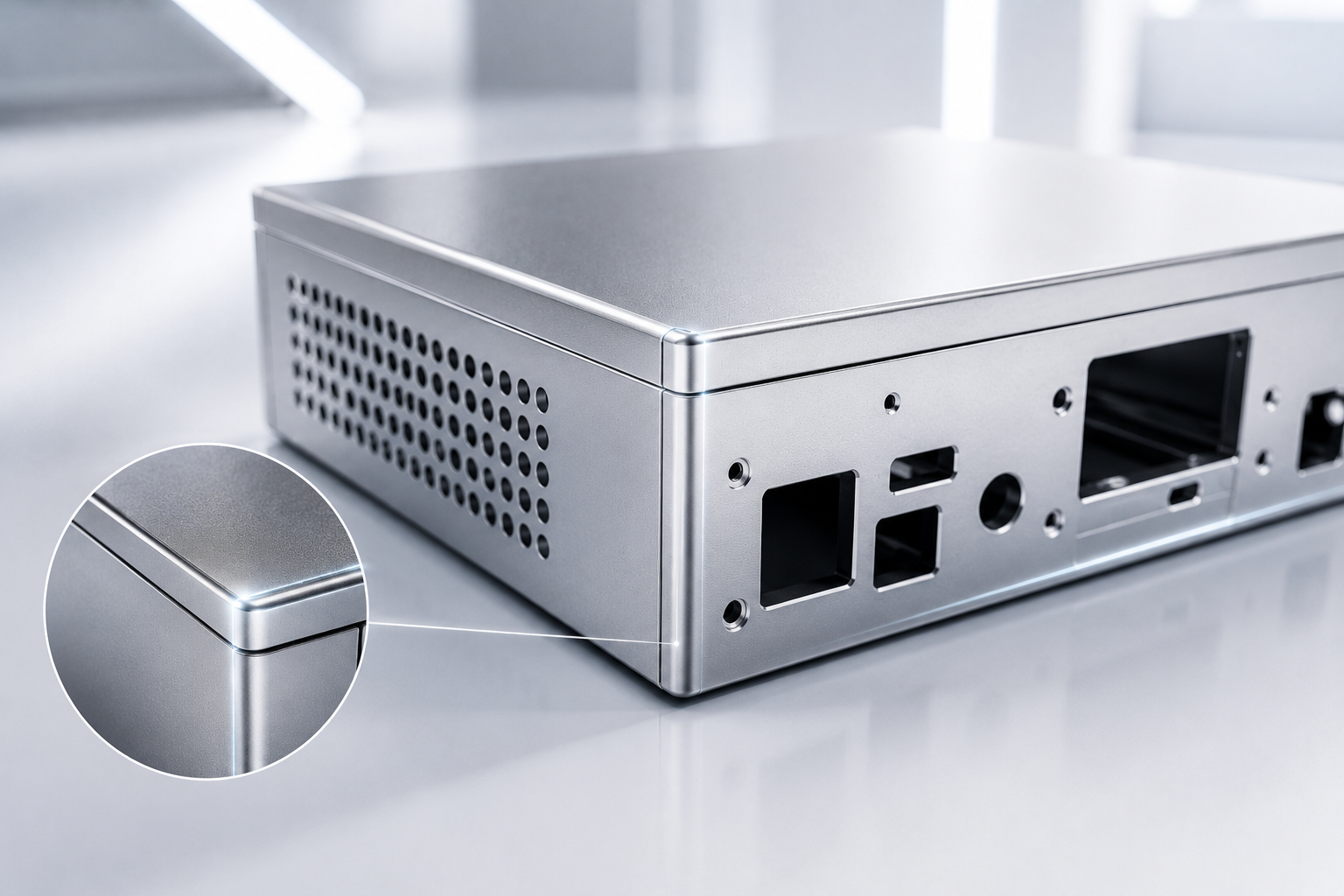
electronic housings and enclosures
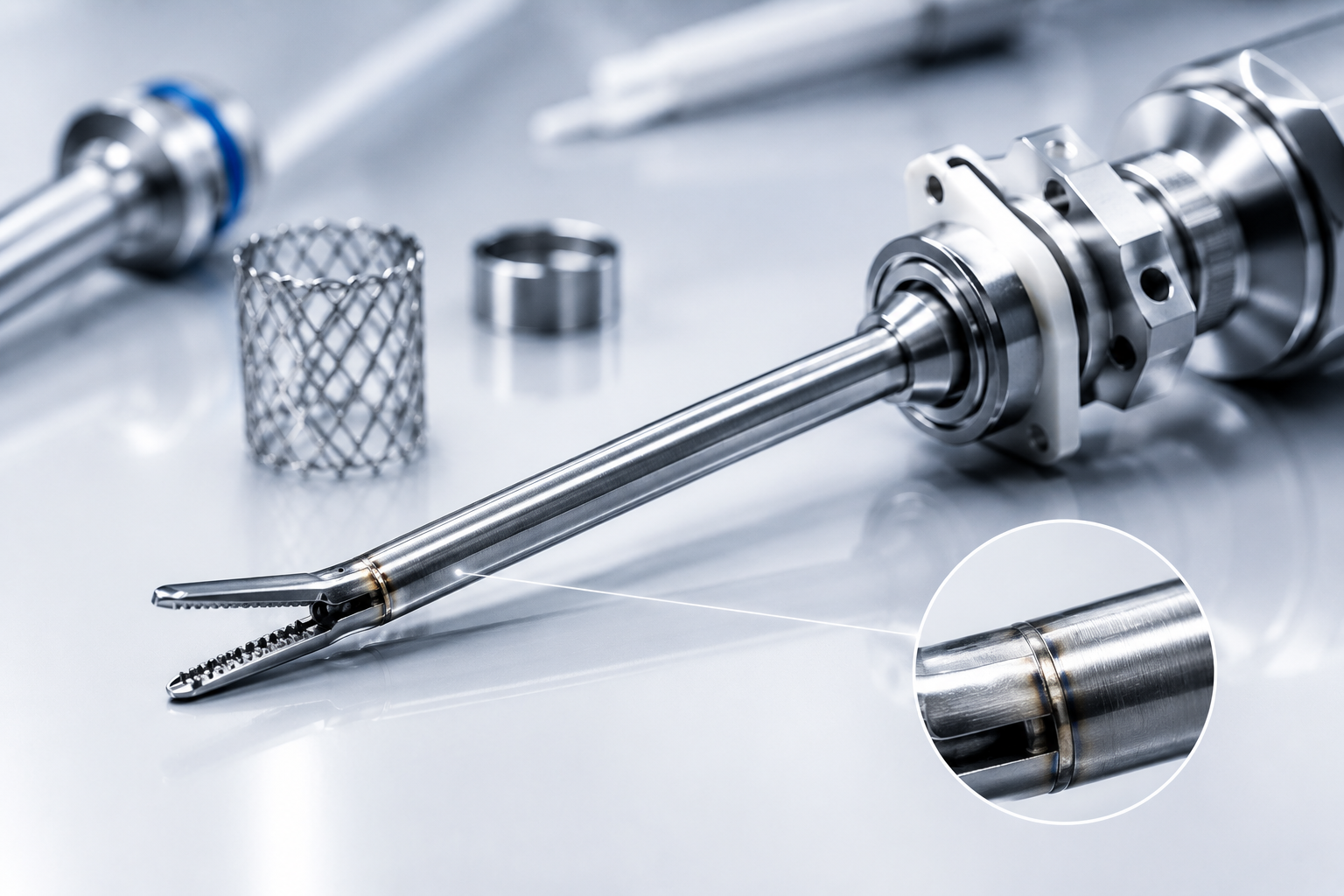
precision medical devices
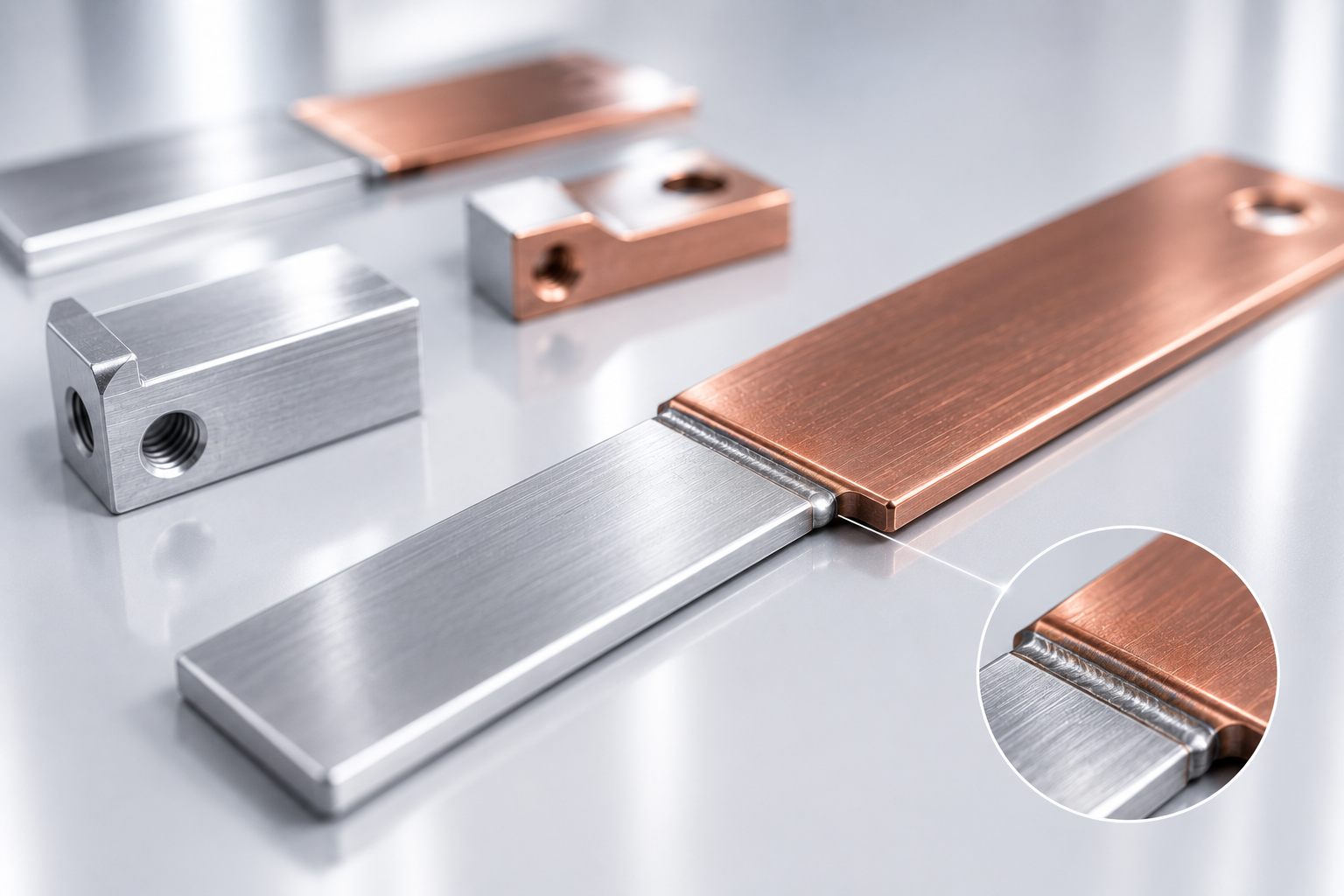 copper and aluminum micro-welding
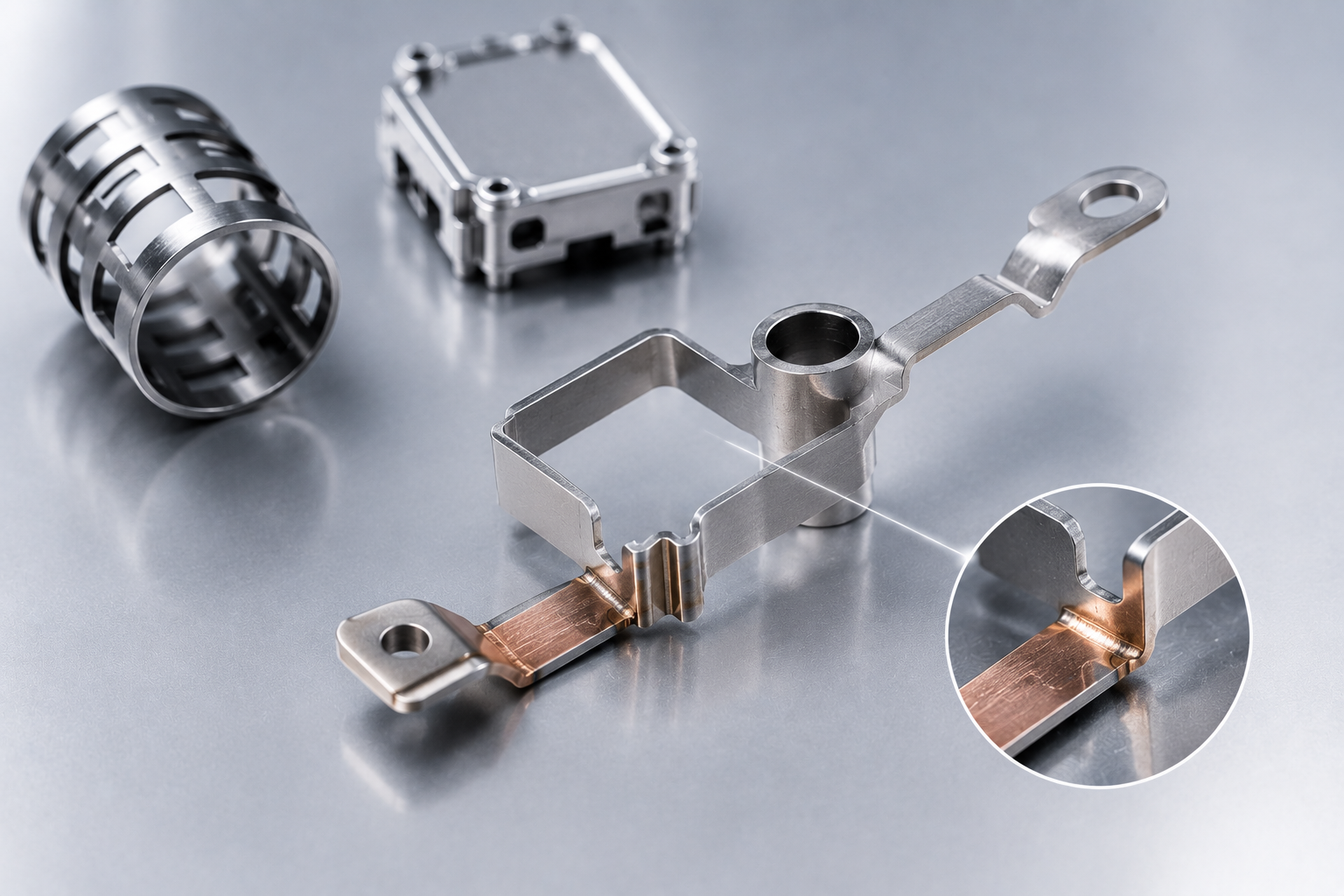
heat-sensitive or geometry-critical components
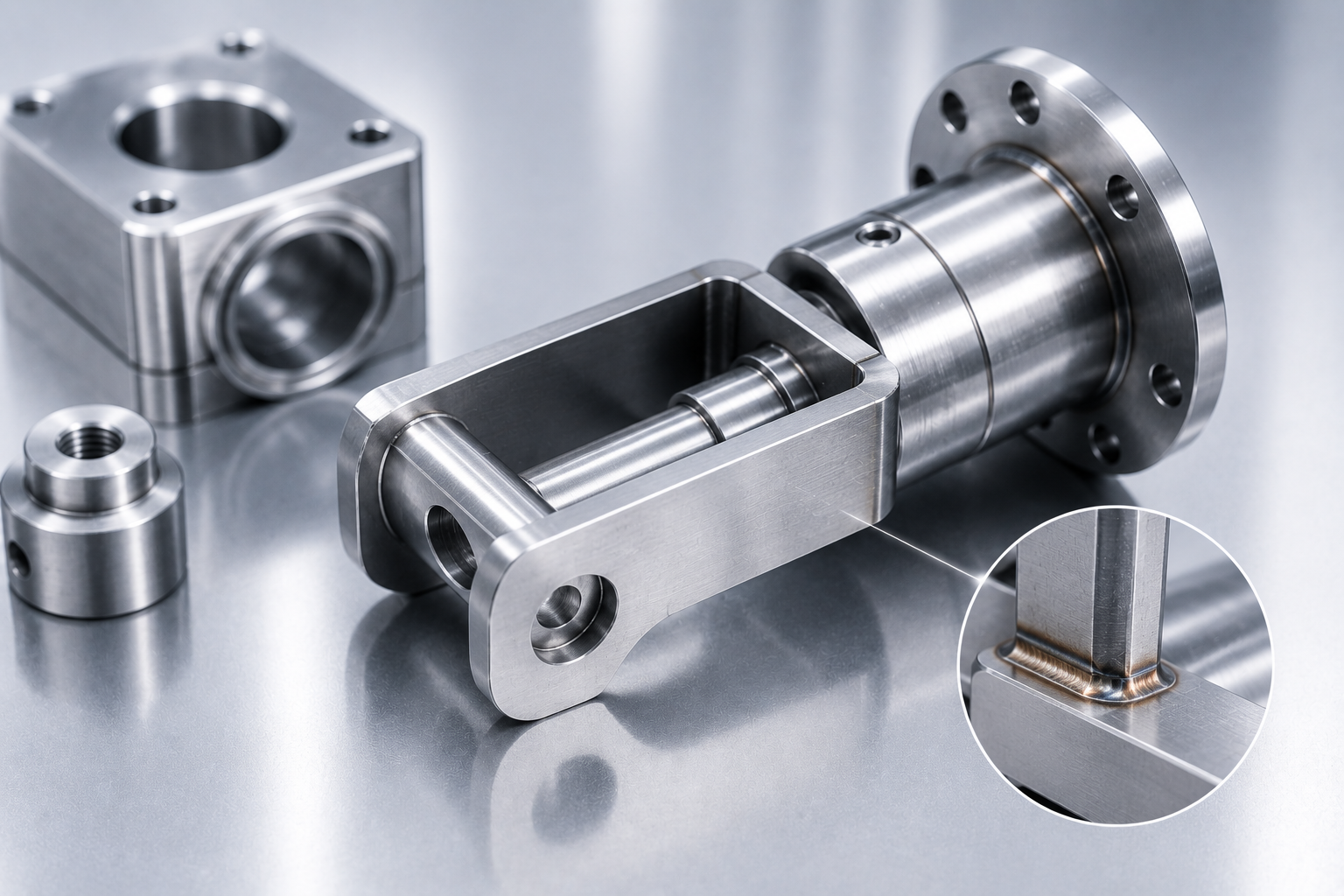
high-accuracy industrial assemblies
Download Technical Information
Please enter your company contact details to access the technical documentation.
Download Technical Information
Please enter your company contact details to access the technical documentation.
1D Welder
Solutions
The 1D handheld laser welders are designed for flexible, on-site operations. Their compact construction, low weight, and easy handling allow welding to take place directly at the point of need – the technology moves, not the workpiece. Fibeer SX handheld systems provide an efficient and practical solution for maintenance, repair, and small-batch production environments.
Download Technical Information
Please enter your company contact details to access the technical documentation.
Download Technical Information
Please enter your company contact details to access the technical documentation.
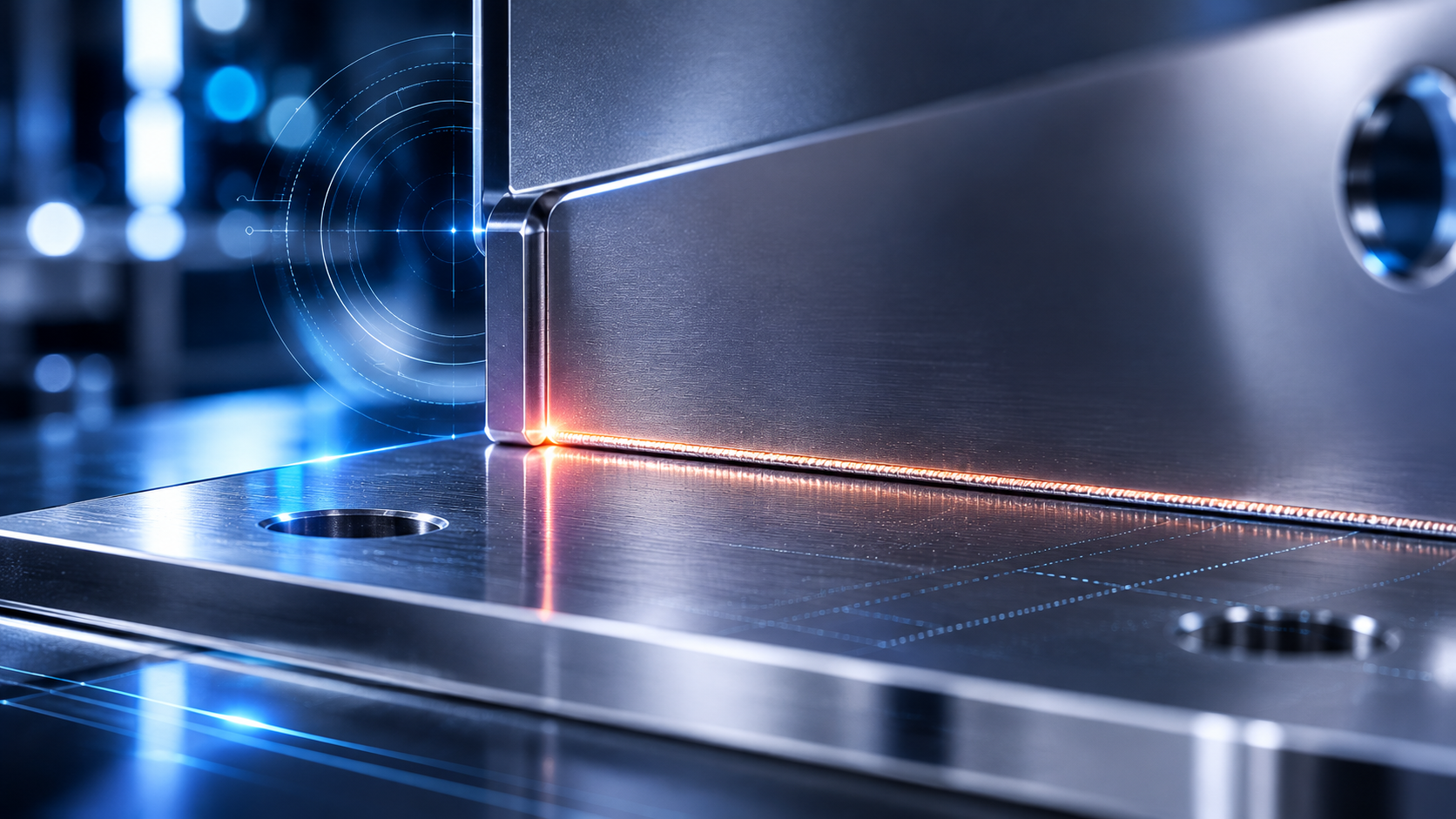
Laser Welding Defects and Their Prevention
What causes defects in laser welding and how can they be prevented?
Download our technical guide for a practical overview of the most common laser welding defects and the key factors behind a stable, repeatable welding process. Learn more about proper surface preparation, precise positioning, laser parameter optimization and real-time process monitoring.
Download Technical Information
Please enter your company contact details to access the technical documentation.