
Precision Laser Milling Micron-Level Industrial Machining
High-Precision Material Removal with a Fully Non-Contact Process
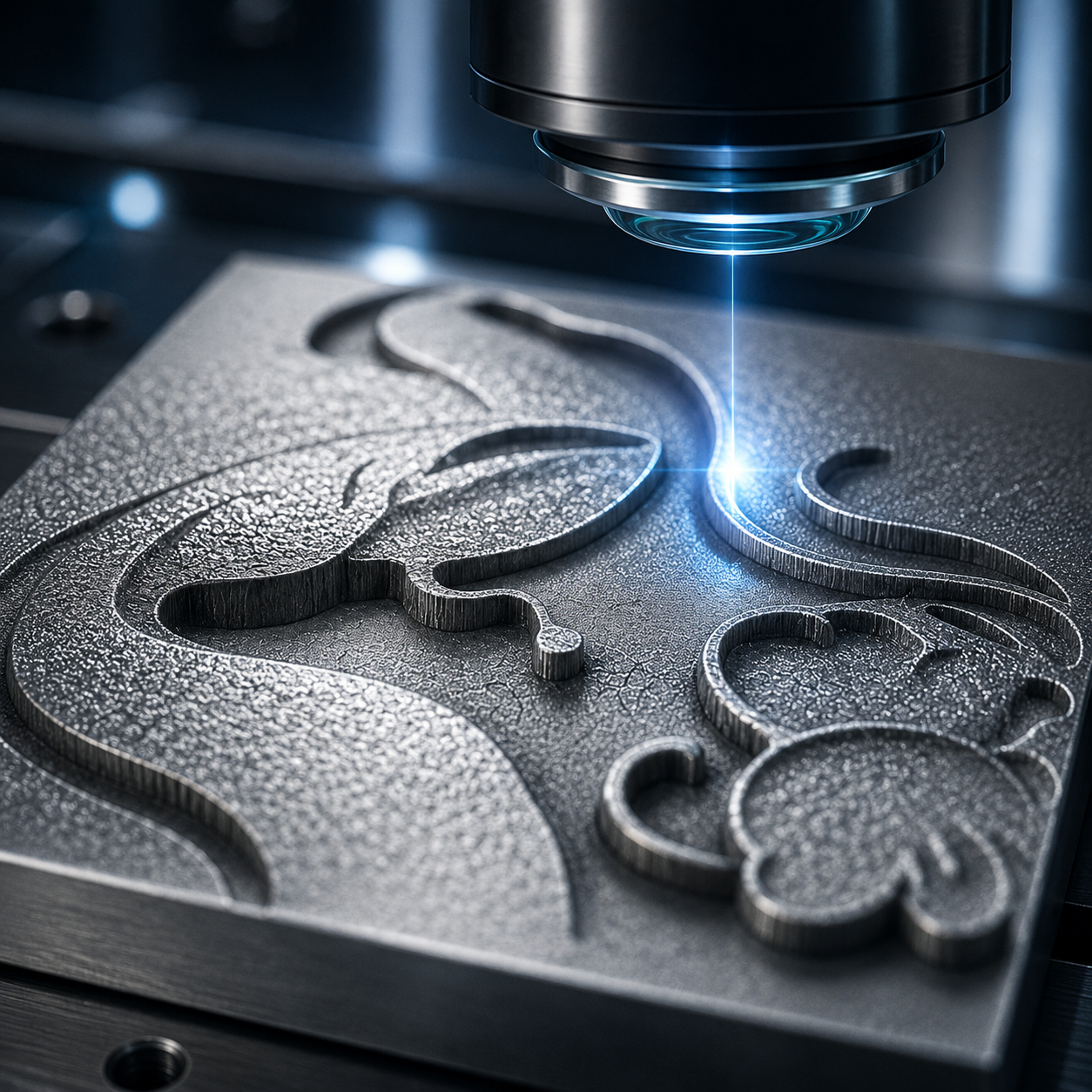
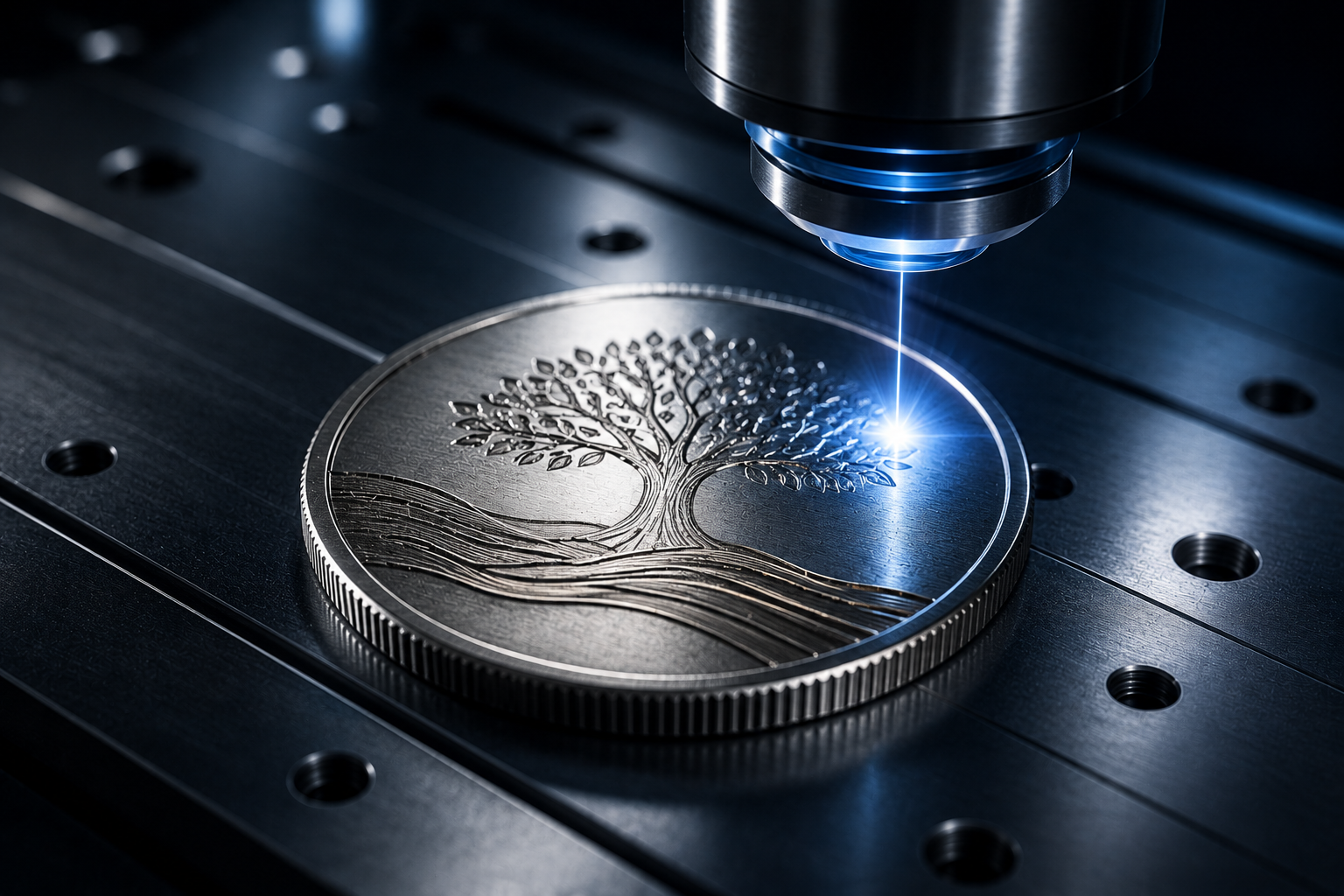
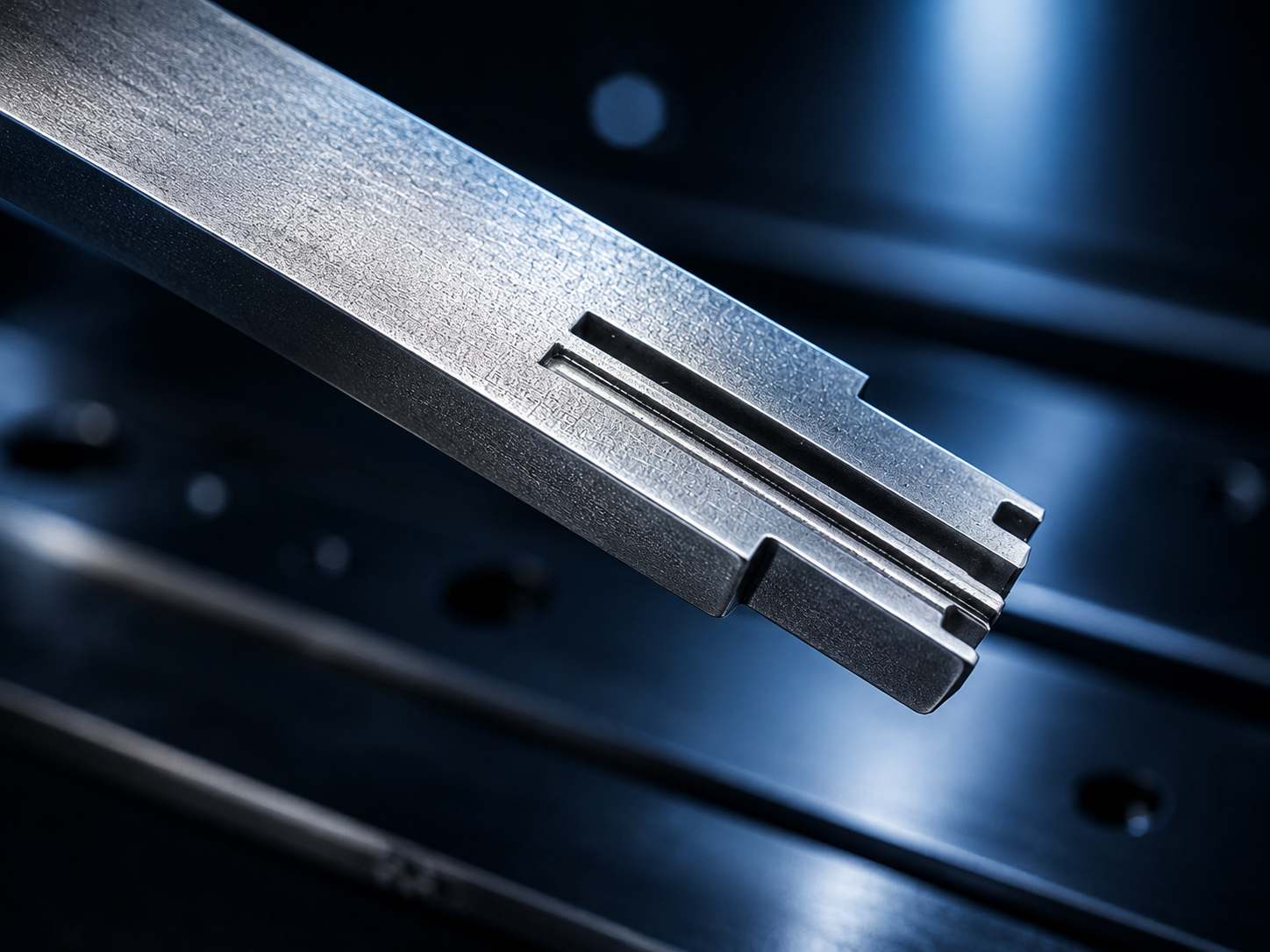
Precision laser milling is one of the most advanced industrial machining technologies available today. FibeerSX laser milling systems operate at high speed with a fully non-contact, tool-less process, making them an excellent alternative to traditional mechanical milling operations. The technology enables micron-level accuracy, repeatable results and the machining of complex geometries without tool wear, vibration or mechanical stress on the workpiece.
Download Technical Information
Please enter your company contact details to access the technical documentation.
Laser Milling vs. Conventional Milling Technologies
Contact-free precision processing without mechanical cutting-tool wear.
FibeerSX laser milling enables precise, digitally controlled and non-contact material processing without the mechanical cutting forces and tool wear associated with conventional milling or engraving. Digital processing geometries, stored recipes and automated positioning make the technology particularly suitable for precision structures, complex geometries and automated industrial production.
More Information| Comparison | Laser Milling FibeerSX Laser Technology | Conventional CNC Milling Mechanical Cutting Process | Mechanical Engraving Contact Engraving Process |
|---|---|---|---|
| Process Type | ✓ Non-contact | Mechanical cutting | Mechanical contact process |
| Mechanical Tool Contact | ✓ None | × Cutting tool contact | × Tool contact |
| Mechanical Cutting Force | 0 N no mechanical cutting force is applied by the laser beam | Mechanical cutting forces applied to the workpiece | Mechanical force applied by engraving tool |
| Tool Wear | ✓ No cutting-tool wear | × Cutting-tool wear | × Engraving-tool wear |
| Tool Replacement | ✓ No cutting-tool replacement | Periodic tool replacement required | Periodic tool replacement required |
| Fine Feature Processing | ✓ High precision achievable feature size depends on optical configuration, material and process parameters | Tool diameter and machine capability dependent | Engraving-tool geometry dependent |
| Complex Geometries | ✓ High flexibility processing geometry is digitally programmed | Tool accessibility and geometry dependent | Tool geometry and accessibility dependent |
| Processing Geometry |
Digitally Programmable
geometry can be modified through software
|
CNC toolpath based | Mechanical toolpath based |
| Geometry Change | ✓ Software based | CNC program and tooling may require adjustment | Toolpath and tool may require adjustment |
| Burr Formation | ✓ Can be minimized result depends on material and laser process parameters | Burrs may occur | Burrs may occur |
| Mechanical Deformation Risk | ✓ No cutting-force deformation | Clamping and cutting forces must be considered | Mechanical force must be considered |
| Thermal Influence | △ Localized heat input depends on pulse parameters, material and process strategy | Cutting heat generated mechanically | Frictional heat may occur |
| Cutting Tool Consumables | 0 no mechanical milling or engraving tool required | Mills / cutters require replacement | Engraving tools require replacement |
| Contact-Induced Vibration | ✓ None from cutting contact | Machine / tool vibration possible | Tool vibration possible |
| Delicate Components | ✓ Excellent potential no mechanical cutting load on the component | Requires suitable clamping and cutting strategy | Mechanical loading must be considered |
| Recipe Storage | ✓ Digital recipes | CNC programs can be stored | Programs can be stored in automated systems |
| Repeatability | ✓ High digitally stored geometry and process parameters | High with stable CNC process | Machine and tool-condition dependent |
| Automation Potential | ✓ Excellent | Excellent | Good to excellent |
| PLC Integration | ✓ Direct integration | Available in industrial CNC systems | System dependent |
| Robot Integration | ✓ Excellent | Possible with suitable system | Possible with suitable system |
| Process Monitoring | ✓ Digital laser parameters, geometry and recipe data can be monitored | CNC process data available | System dependent |
| Traceability | ✓ Recipe & process data | CNC production data can be integrated | Possible with suitable system |
| High-Mix Production | ✓ High flexibility product-specific digital recipes and geometries | Program, tooling and setup dependent | Tool and setup dependent |
| Best Suited For | Precision structures, micro-features, delicate components, complex geometries, automated processing and applications where mechanical cutting forces should be avoided. | Larger-volume material removal, deep machining, conventional mechanical features and high material-removal applications. | Mechanical engraving, lettering, identification features and applications compatible with tool contact. |
Why Laser Milling Is Becoming the New Industrial Standard
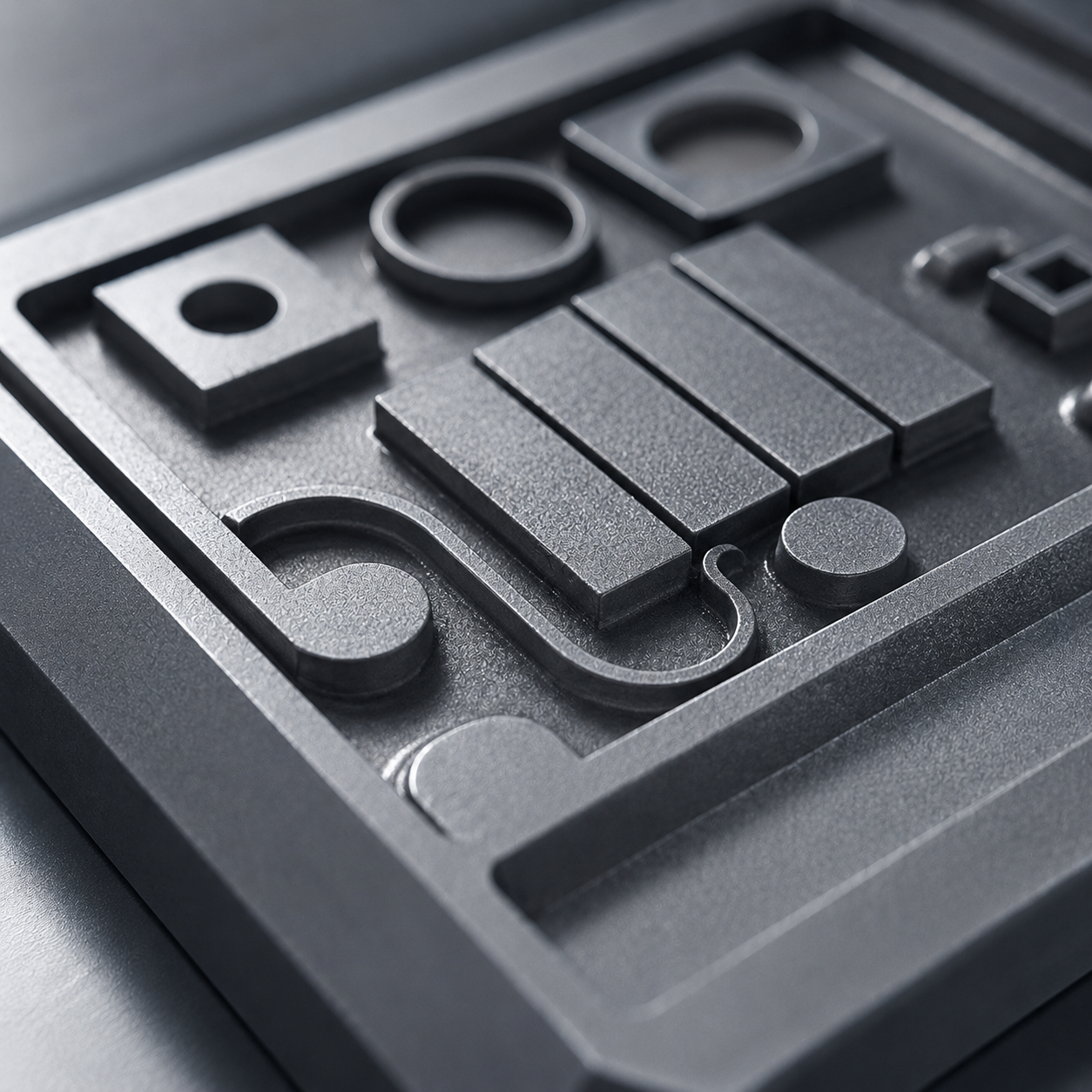
1–20 micron depth accuracy

Minimal heat-affected zone (HAZ)
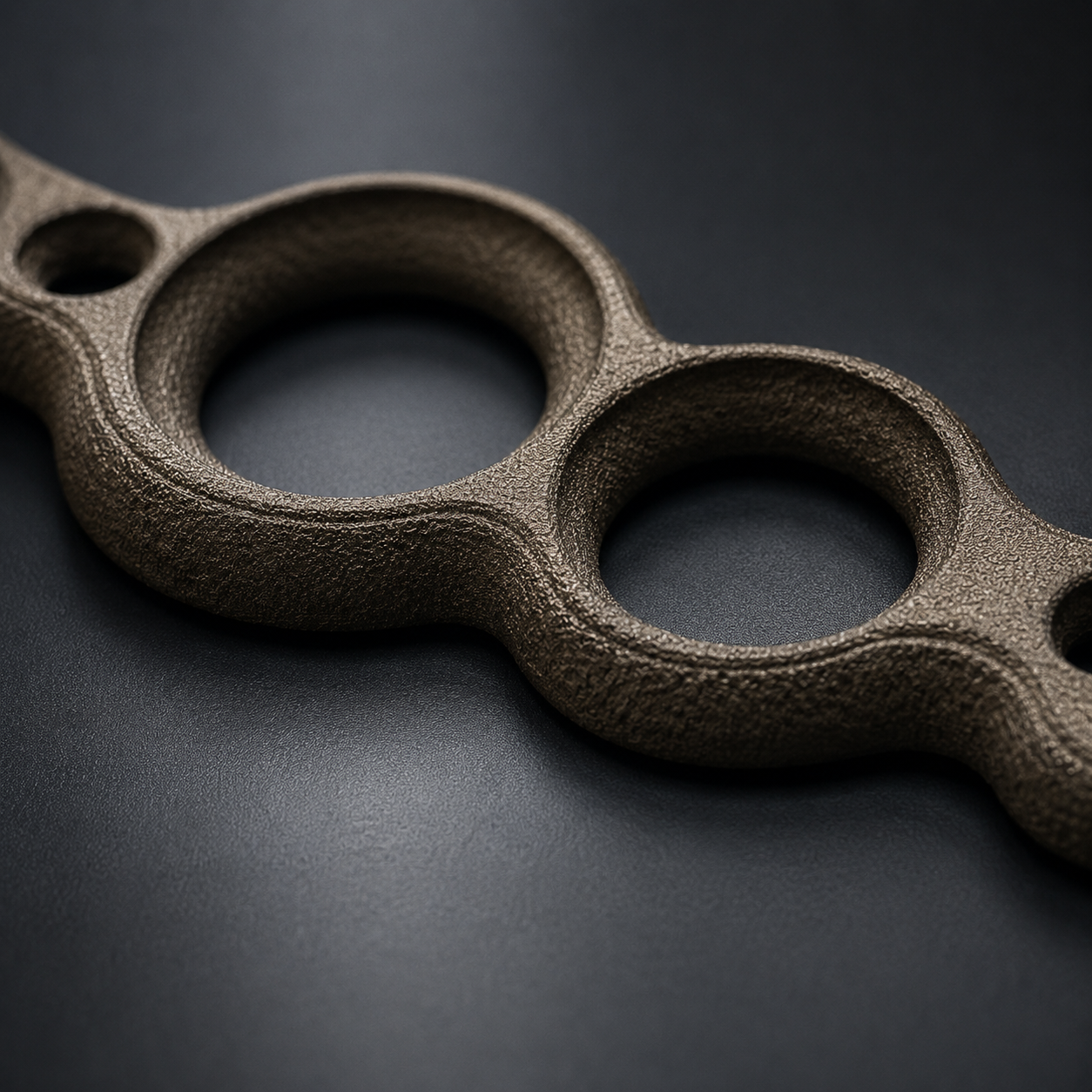
Distortion-free, non-contact machining
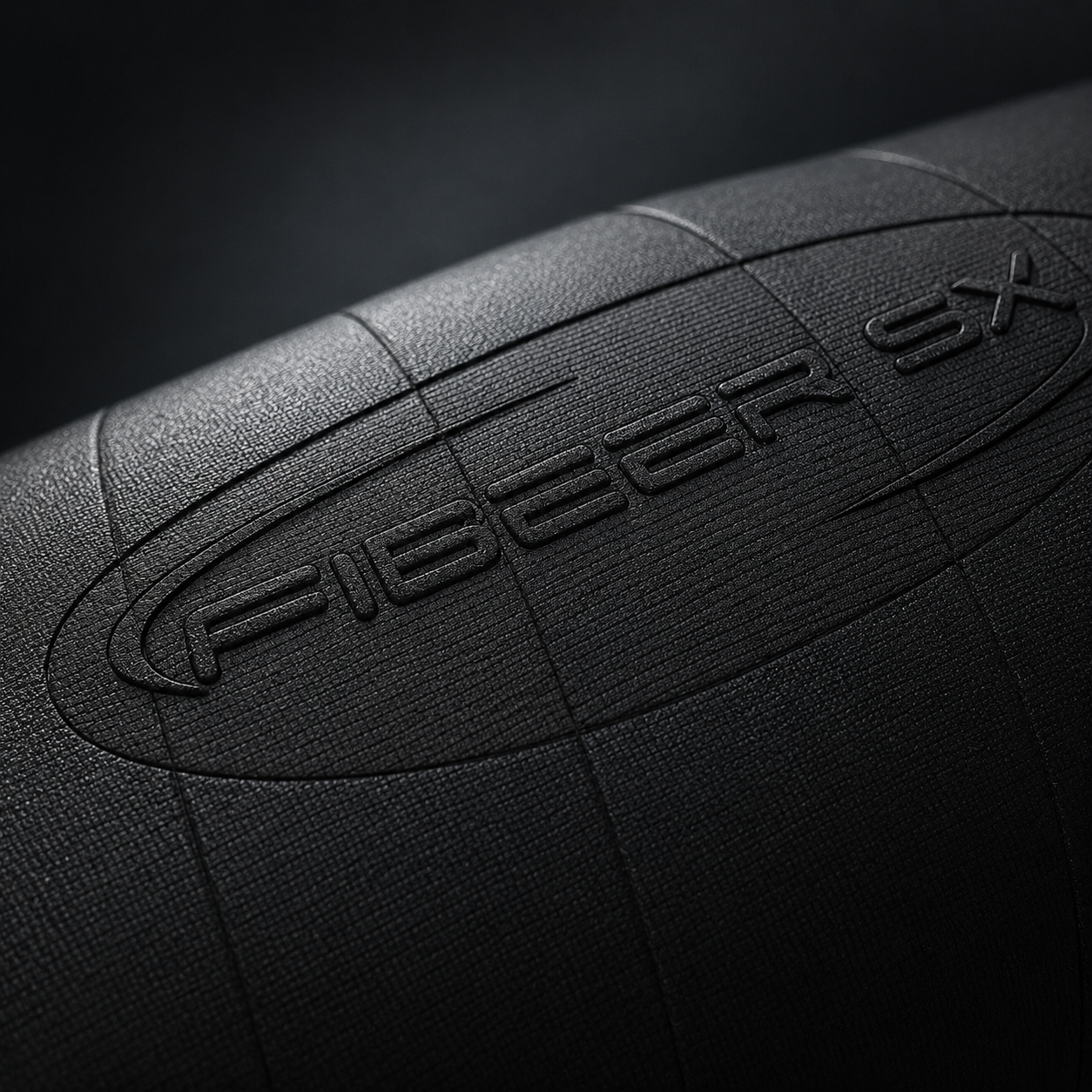
Extremely fine detail, even on complex geometries
Download Technical Information
Please enter your company contact details to access the technical documentation.
Laser milling is a non-contact manufacturing process that removes material without physical tools touching the workpiece. Since there are no cutting tools involved, maintenance requirements are significantly reduced, while process stability and repeatability remain consistently high. This results in lower operating costs, less downtime, and a more predictable production environment.
Examples of what laser milling eliminates
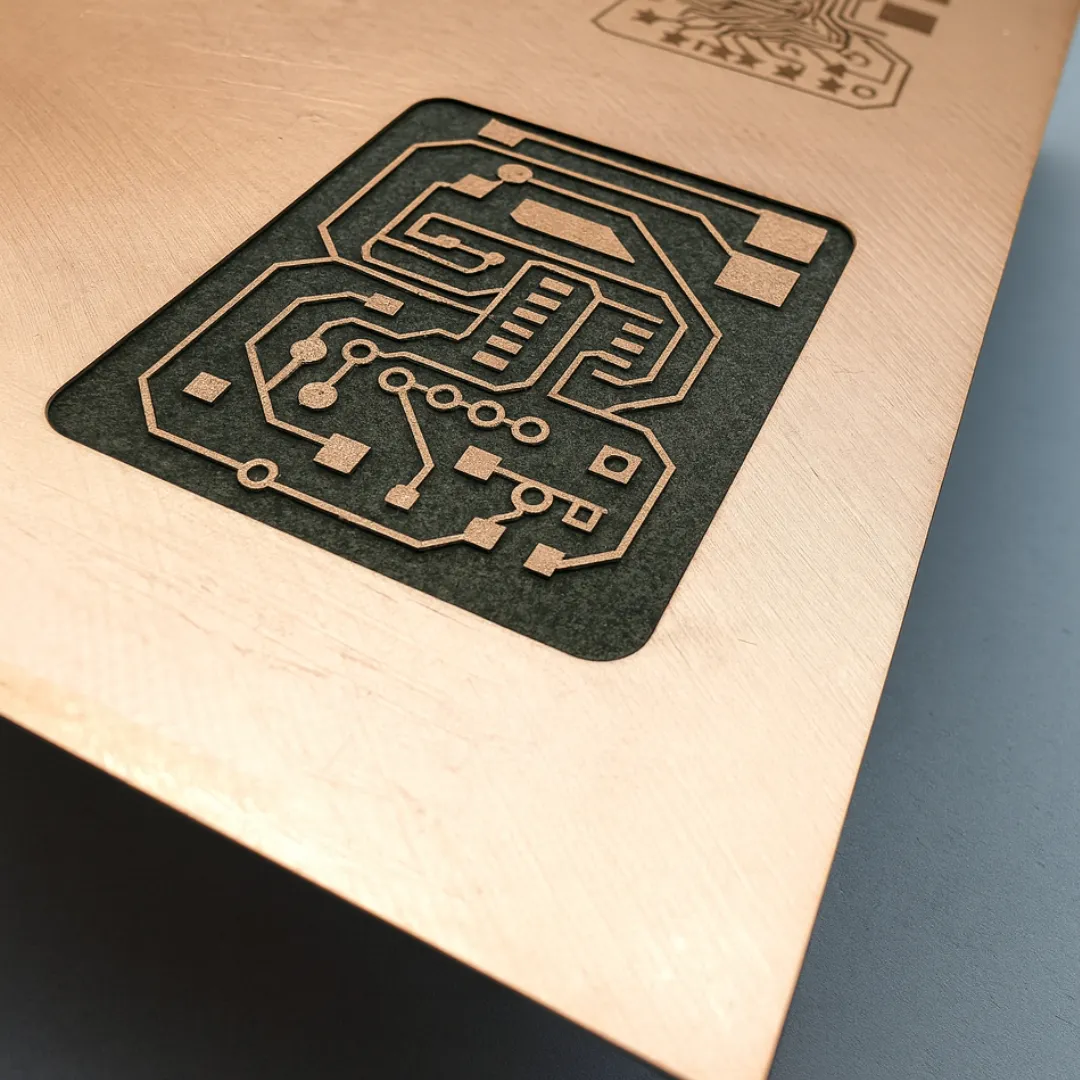
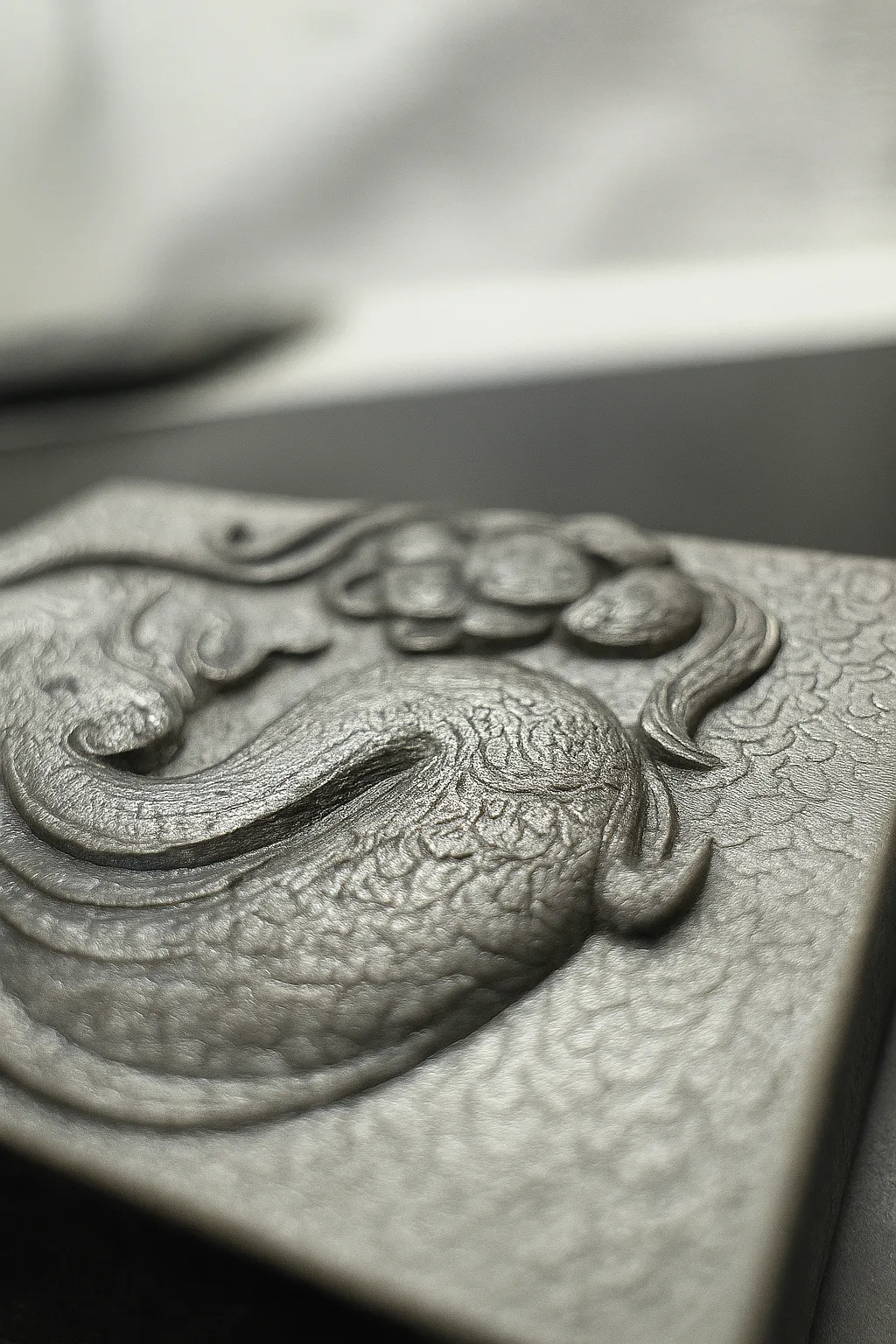

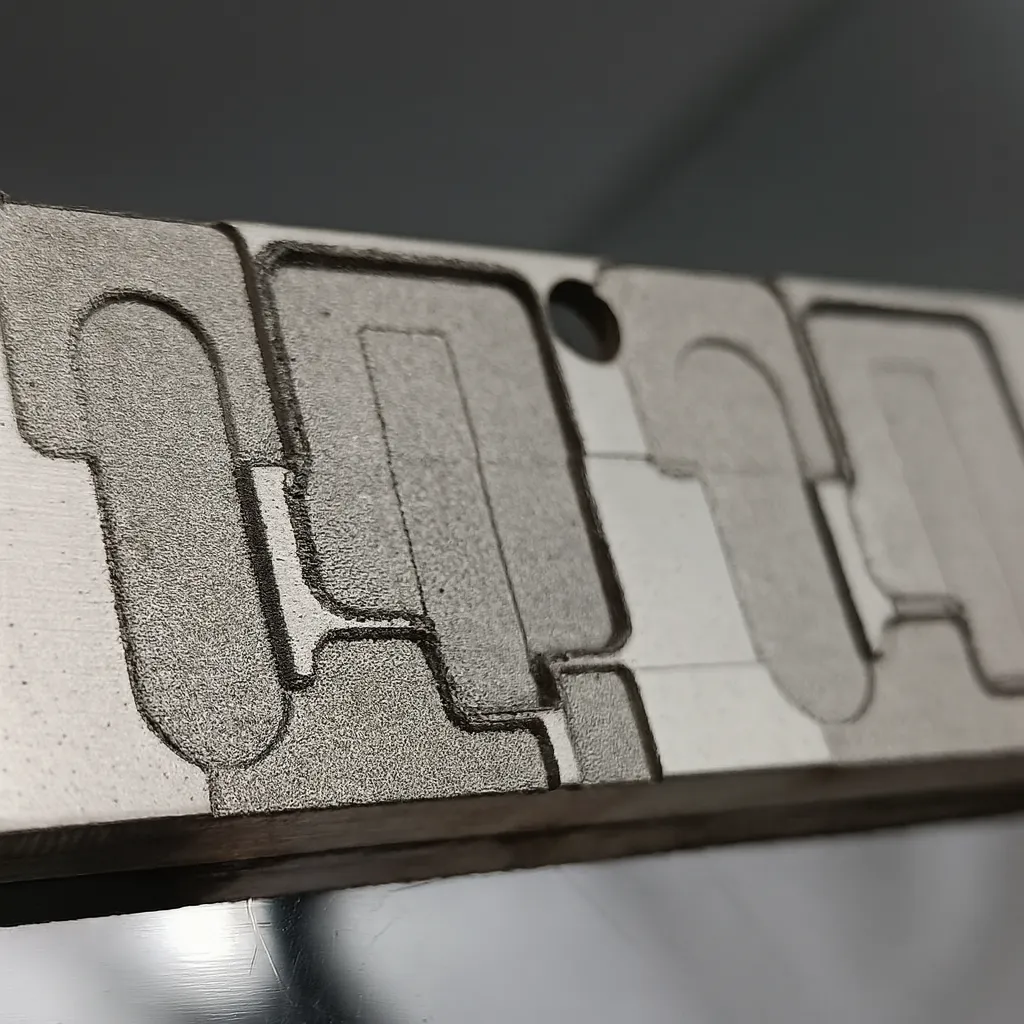
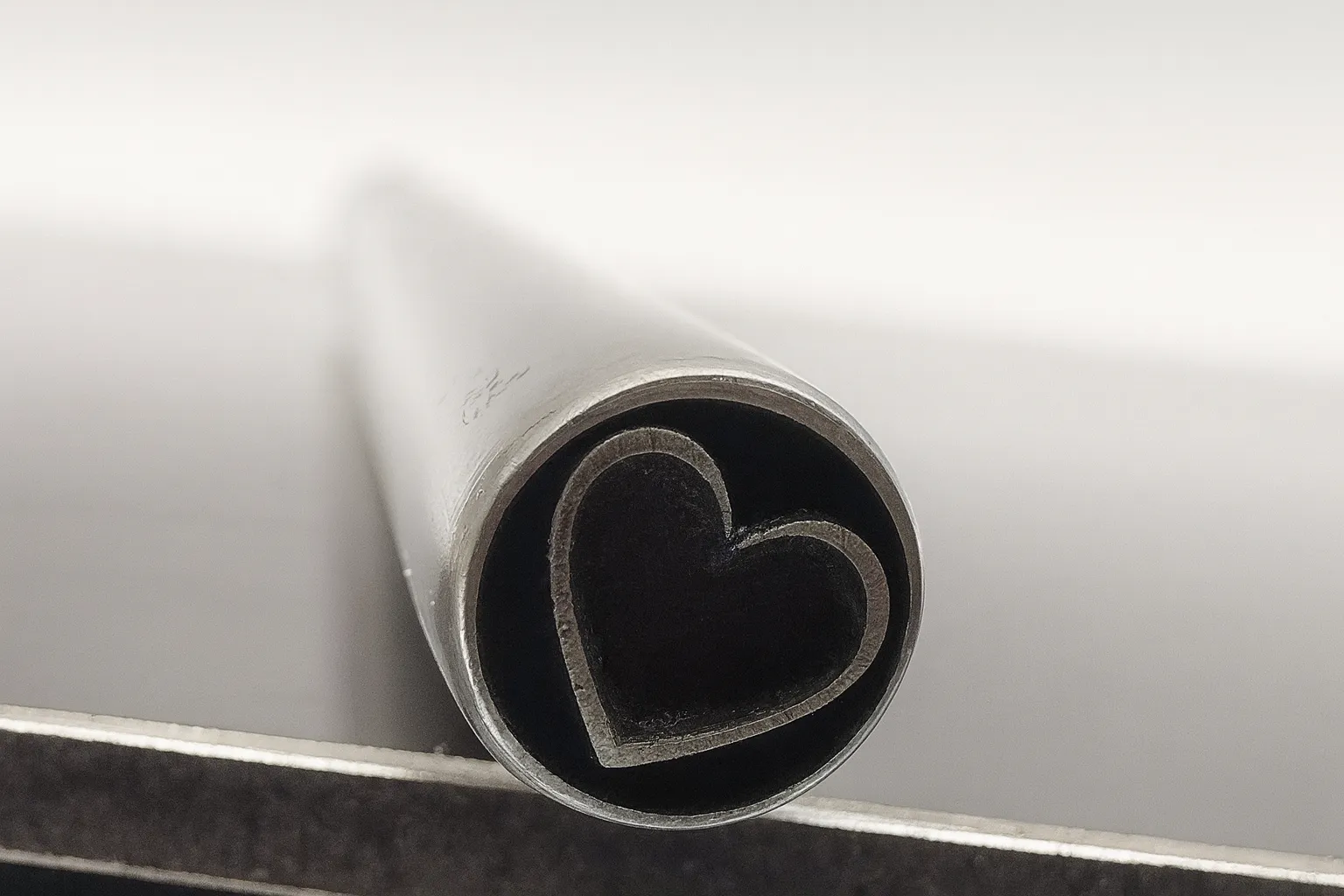
As a result, laser milling delivers a cleaner, more reliable, and highly efficient manufacturing process.
Download Technical Information
Please enter your company contact details to access the technical documentation.
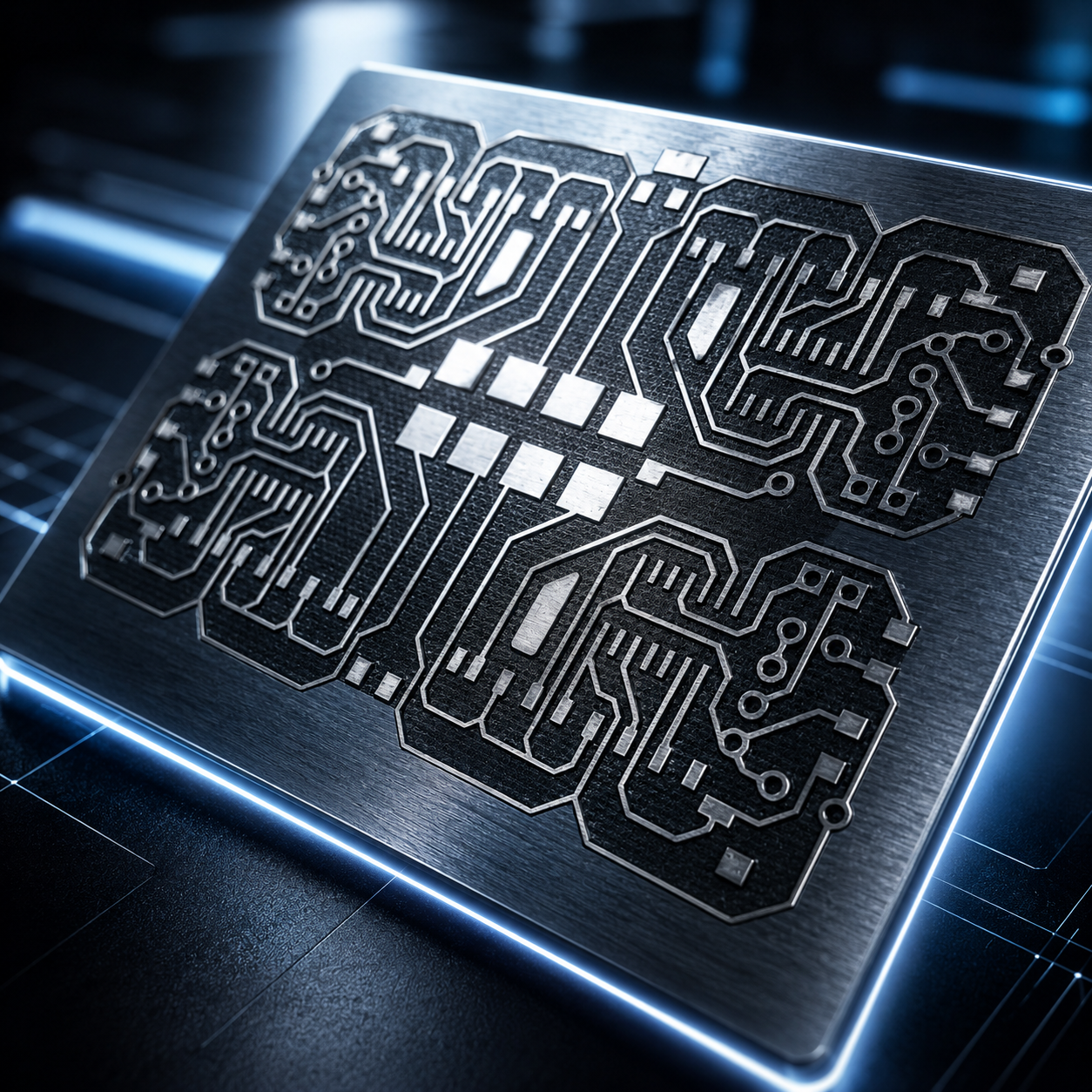
Why Choose FibeerSX Laser Milling Technology?

Download Technical Information
Please enter your company contact details to access the technical documentation.