
Laser Polishing
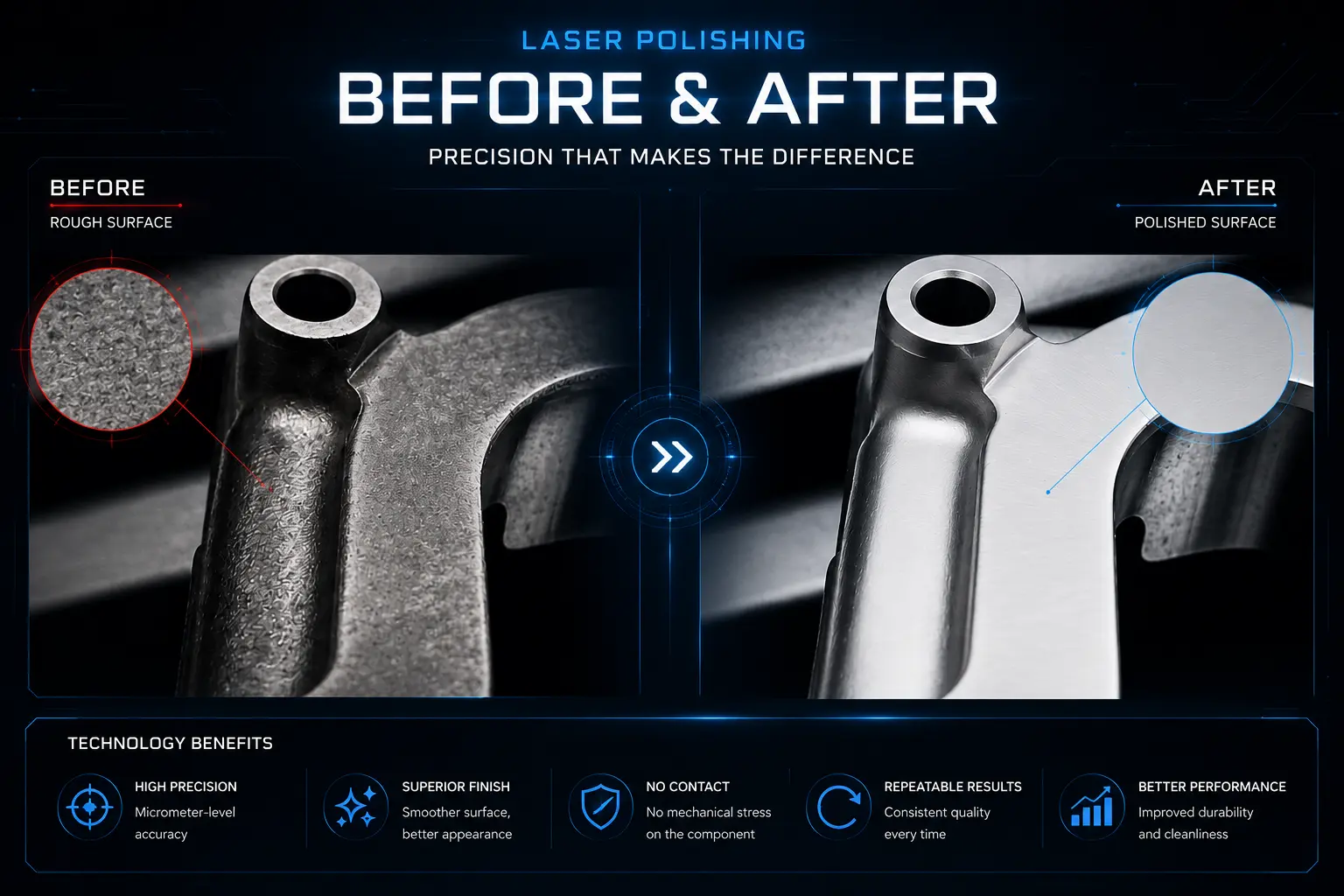
In modern manufacturing environments, an increasing number of industries require flawless, micrometer-level surface quality. Whether it concerns injection-molded plastic molds, precision metal components, mold inserts or electronic parts, polishing quality directly affects both the performance and the appearance of the final product.
Traditional manual or mechanical polishing is often slow, inconsistent and highly sensitive to human error.
Download Technical Information
Please enter your company contact details to access the technical documentation.
Why has laser polishing become an industrial standard?
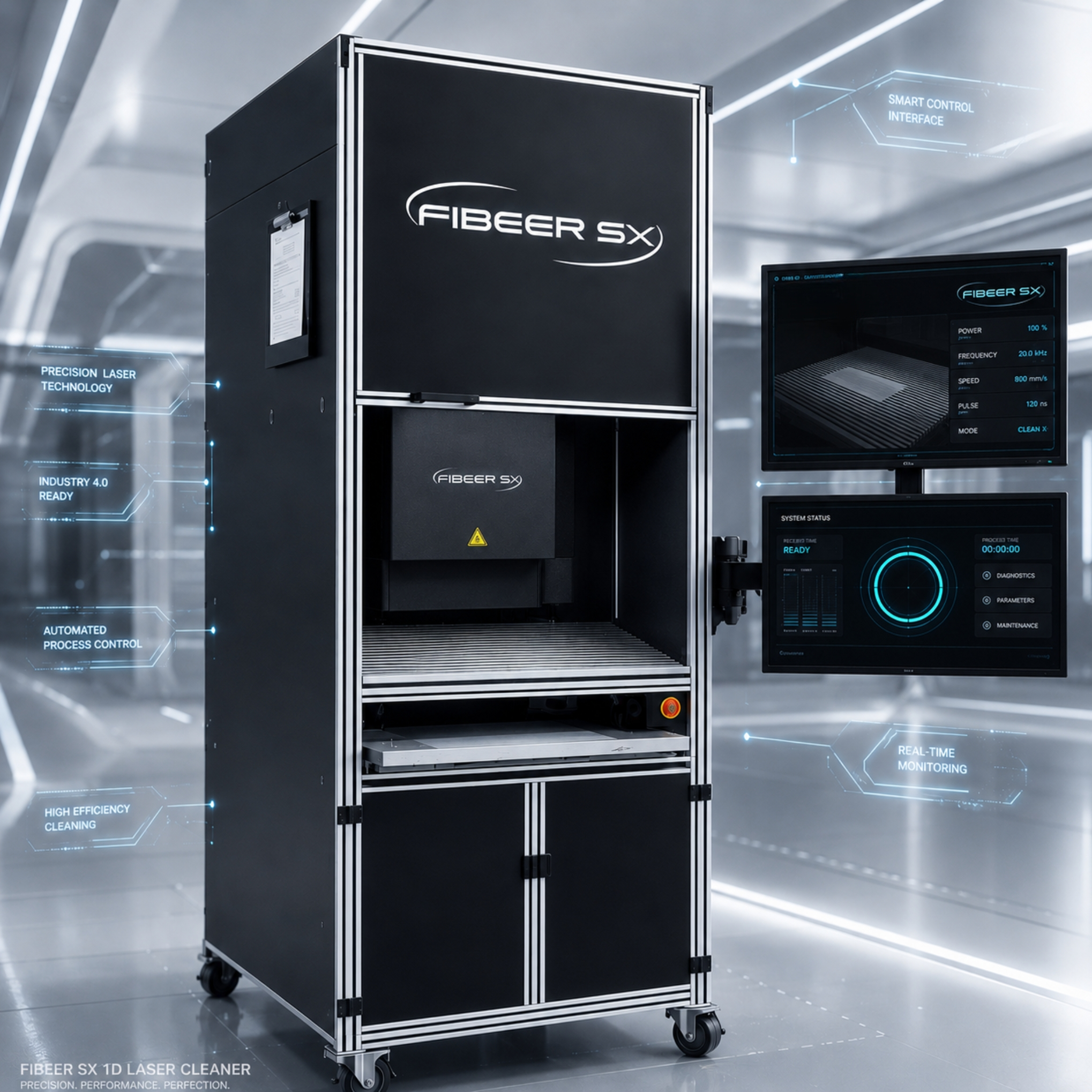
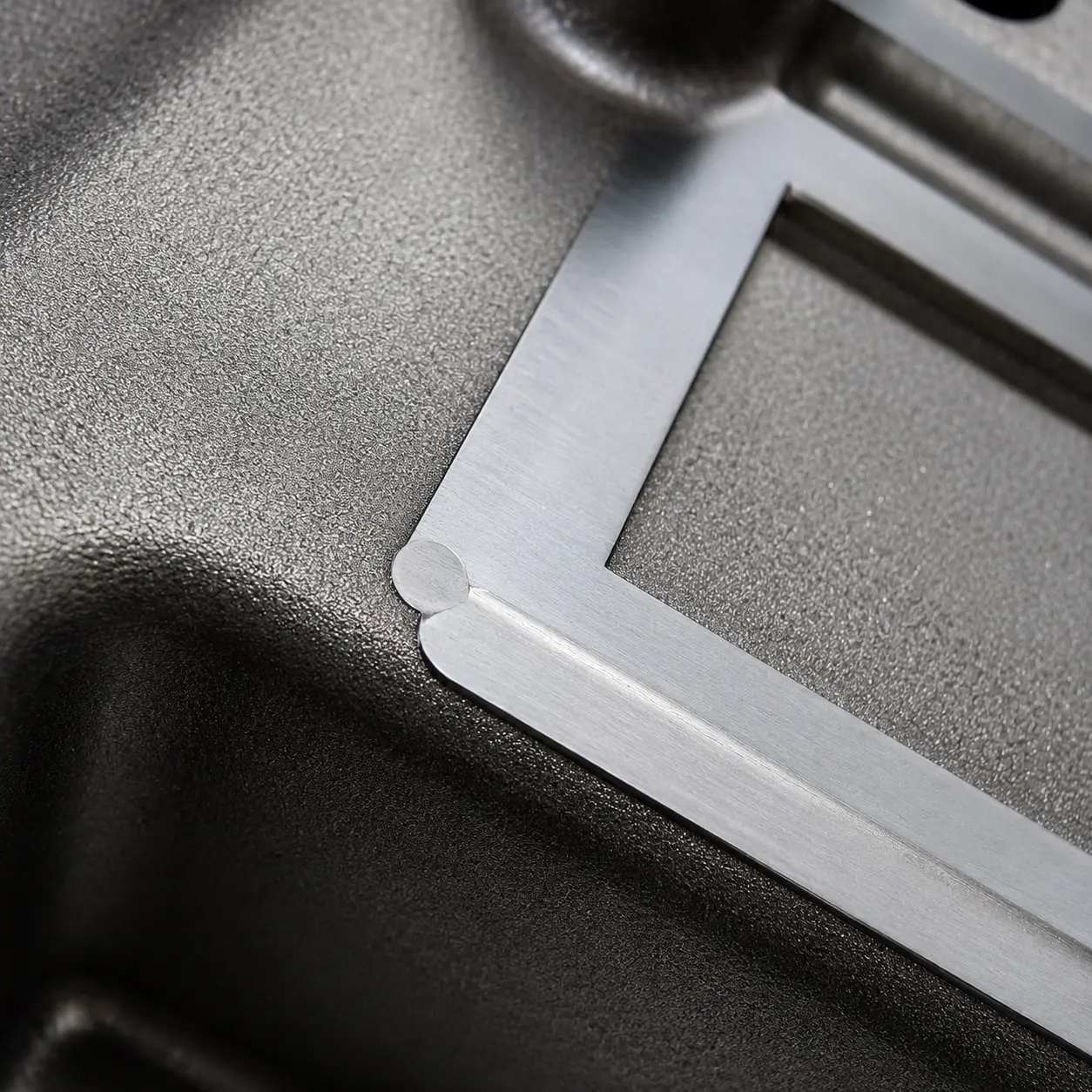
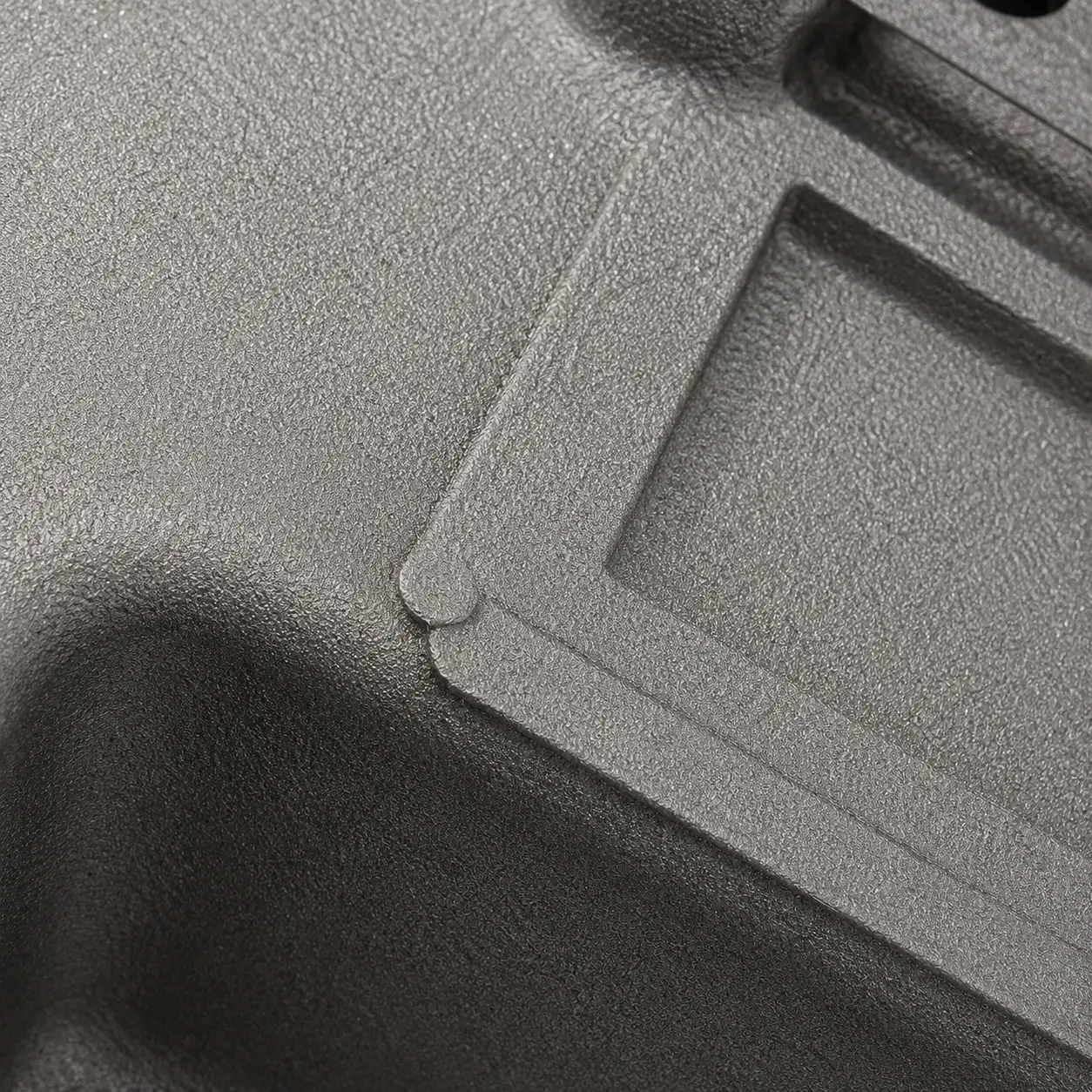
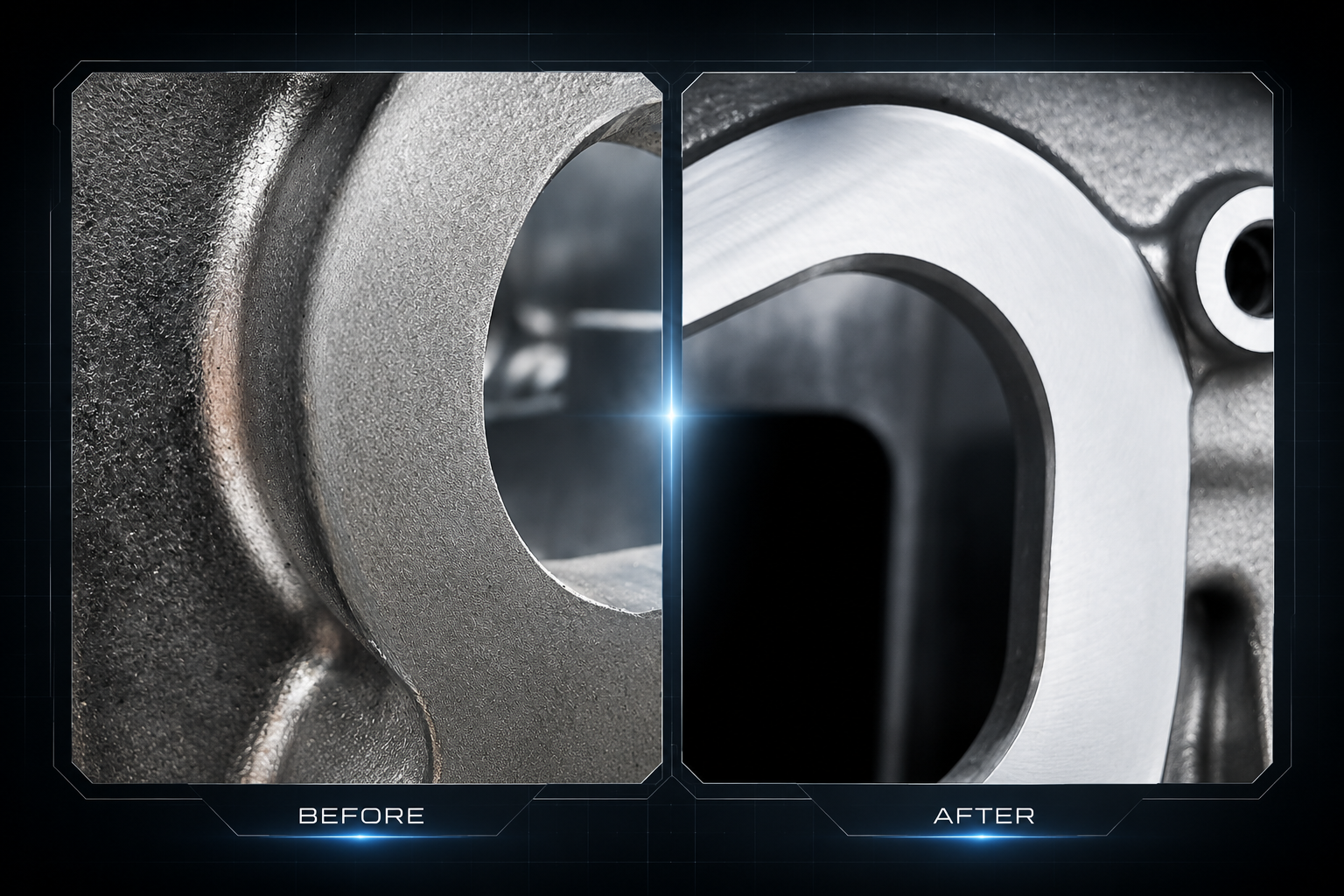
Laser polishing systems — based on laser surface polishing or laser re-melting technologies — use extremely fine thermal input to melt the top layer of the material at micrometer depth. The thermal effect smooths micro-irregularities, reduces roughness and creates a homogeneous, glossy, perfectly even surface.
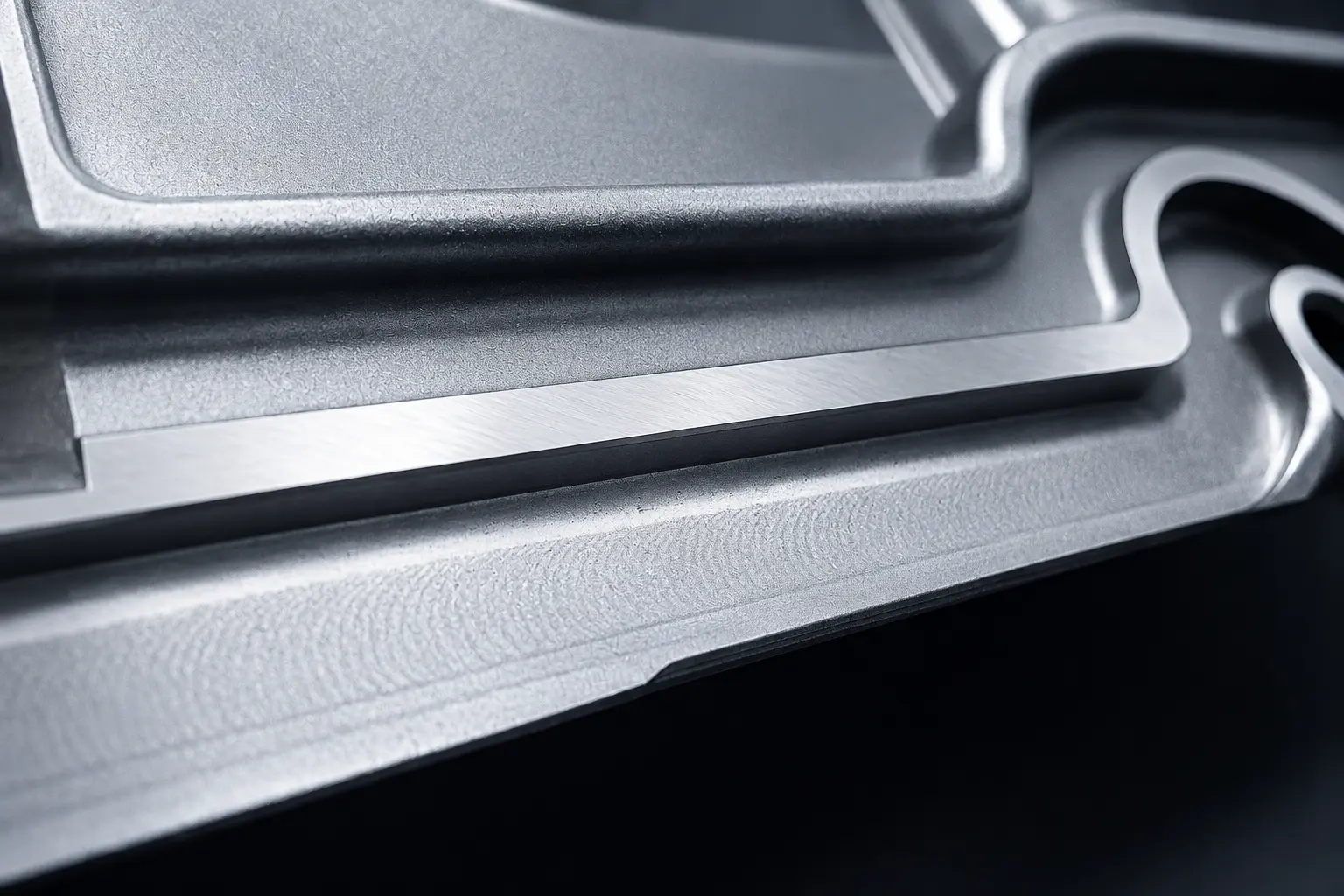
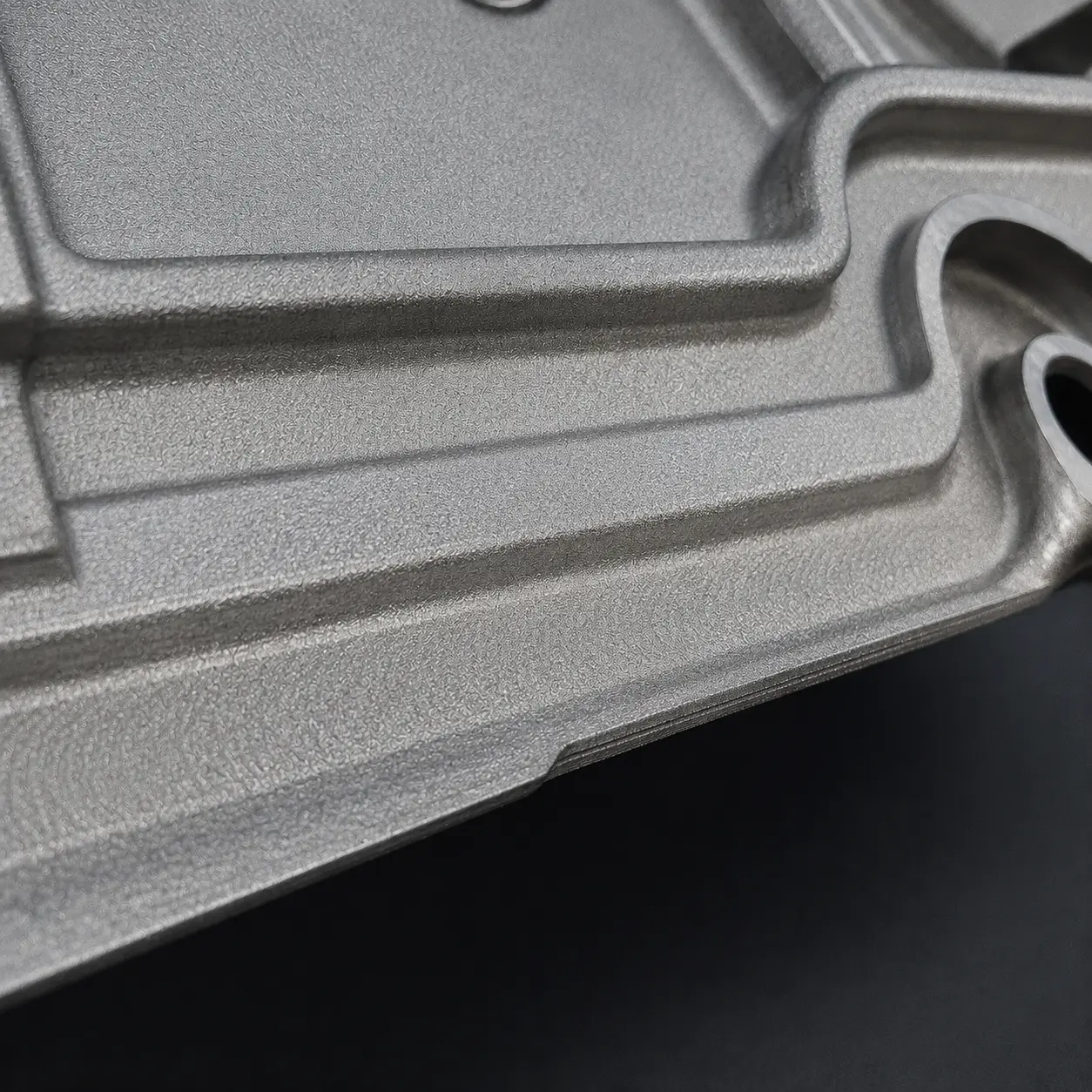
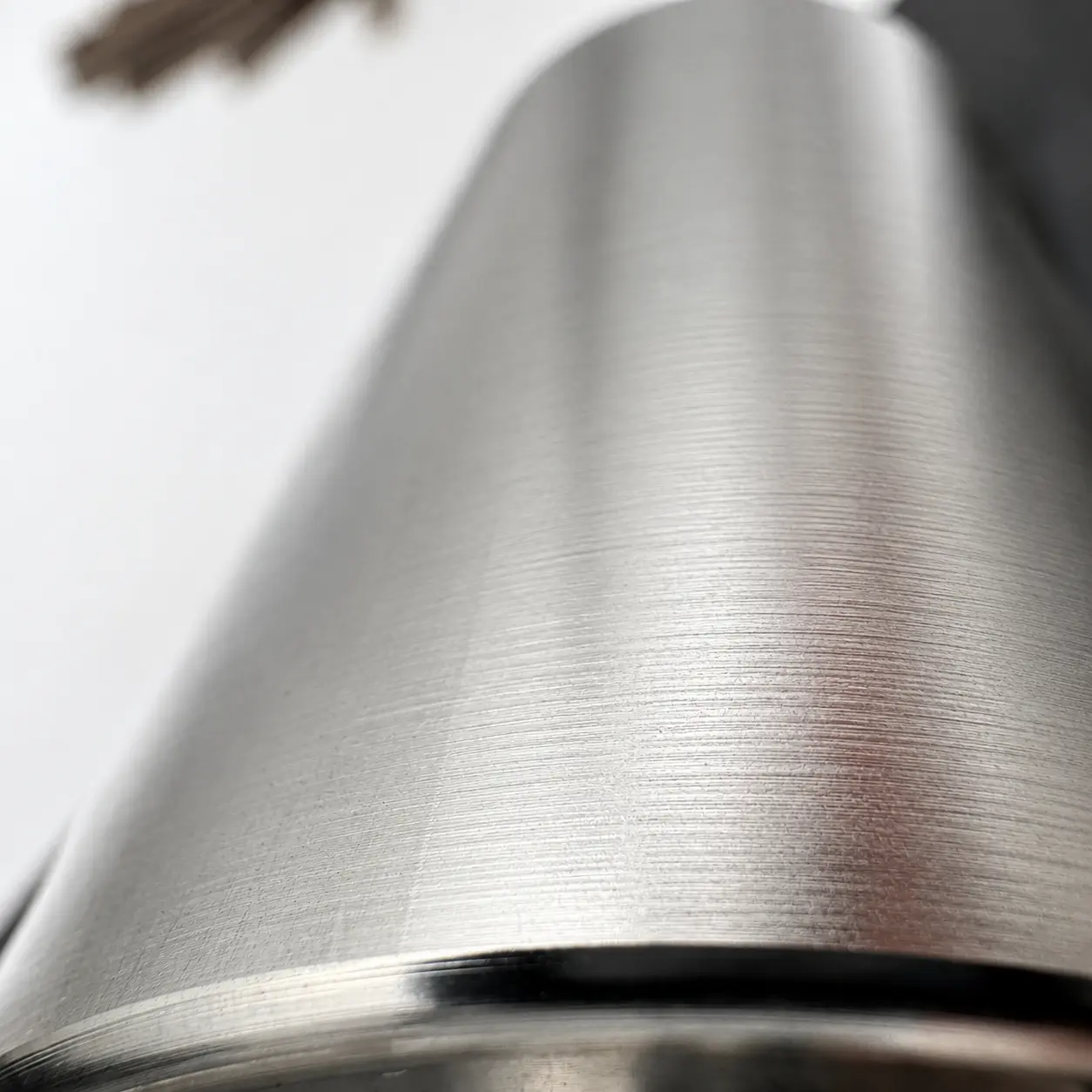
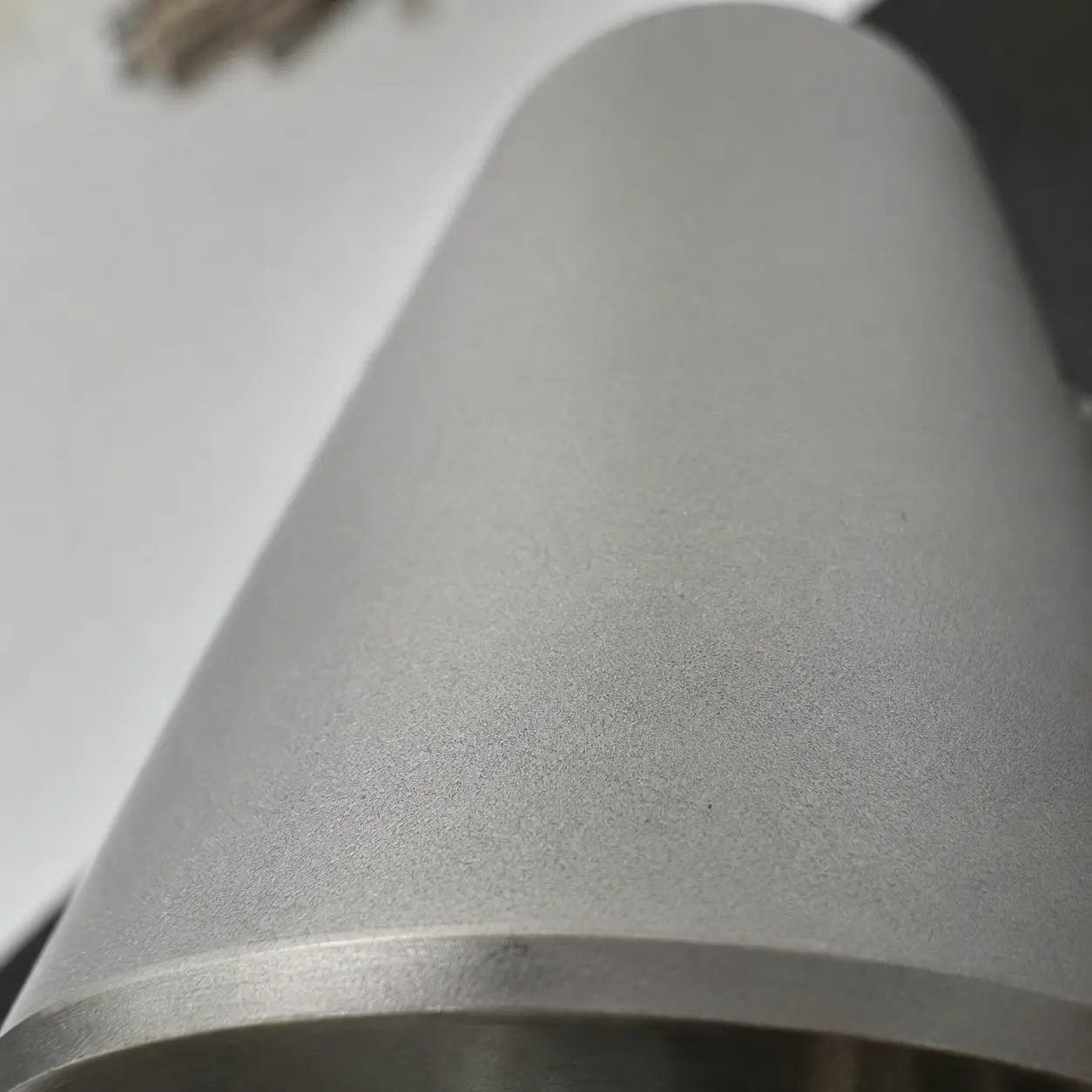
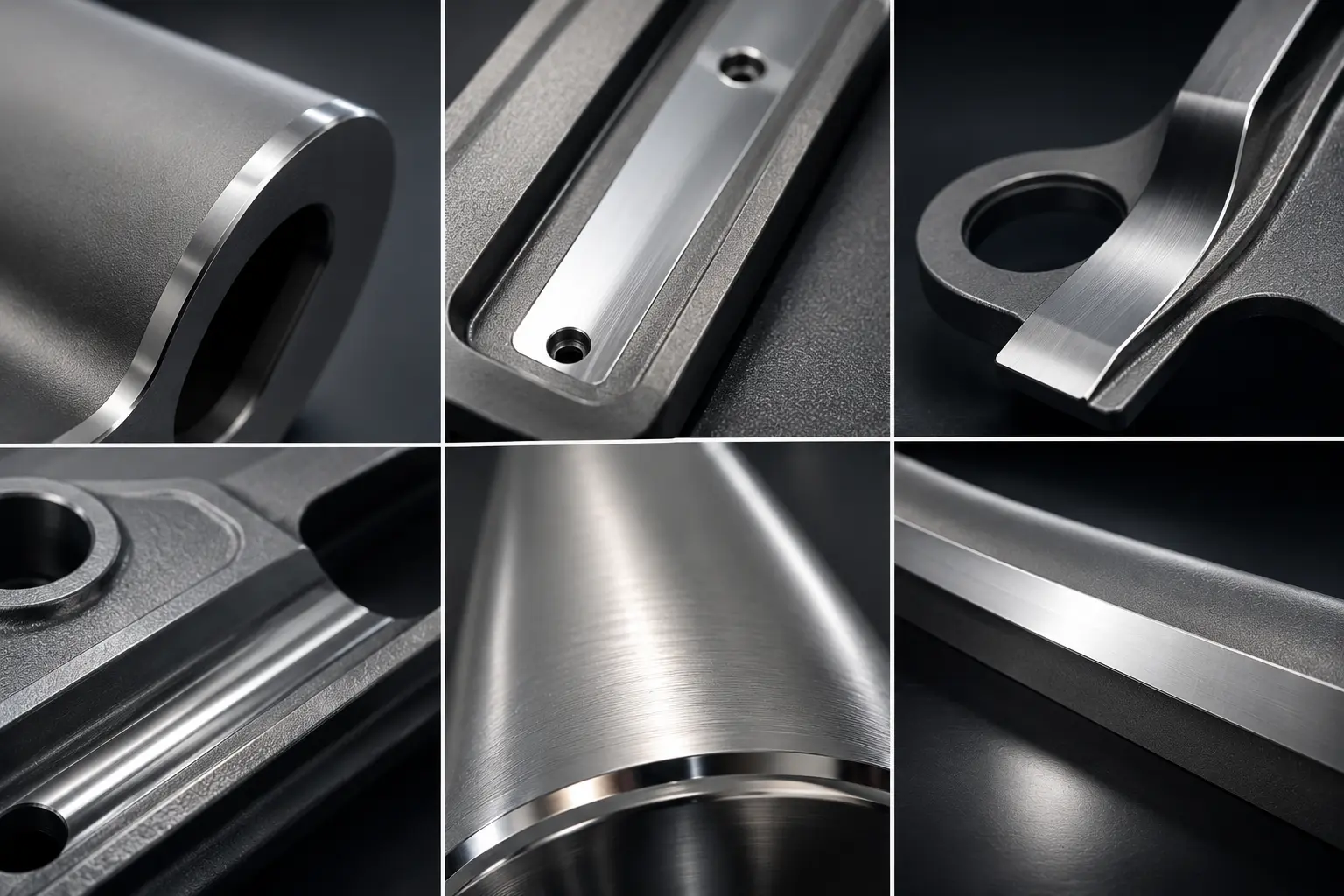
Key advantages
Micron-level roughness reduction
Surface quality as low as Ra < 0.1 µm.
Highly repeatable results
Eliminates manual-polishing variability.
Contact-free technology
No tool wear and no mechanical damage.
High speed & automation-ready
Compatible with robotic cells or production lines.
Chemical-free process
No polishing paste, solvents or post-cleaning required.
Where is laser polishing used today?
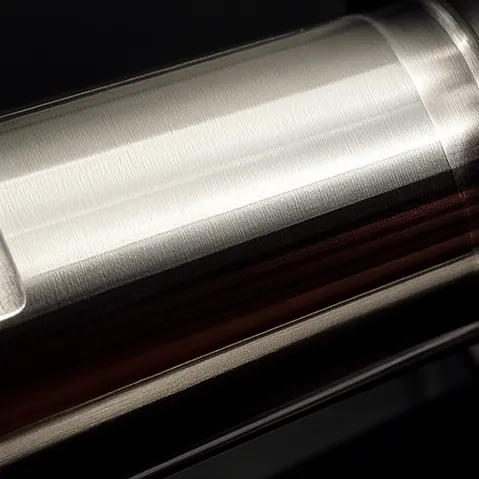
Automotive industry
Mold inserts
Optical plastic mold tools
Metal surfaces prior to chrome plating
Electronics
Housing interface surfaces
Medical technology
Edge and surface finishing of stainless components
Casting & fine machining
Removal of micro-porosity and smoothing of casting irregularities
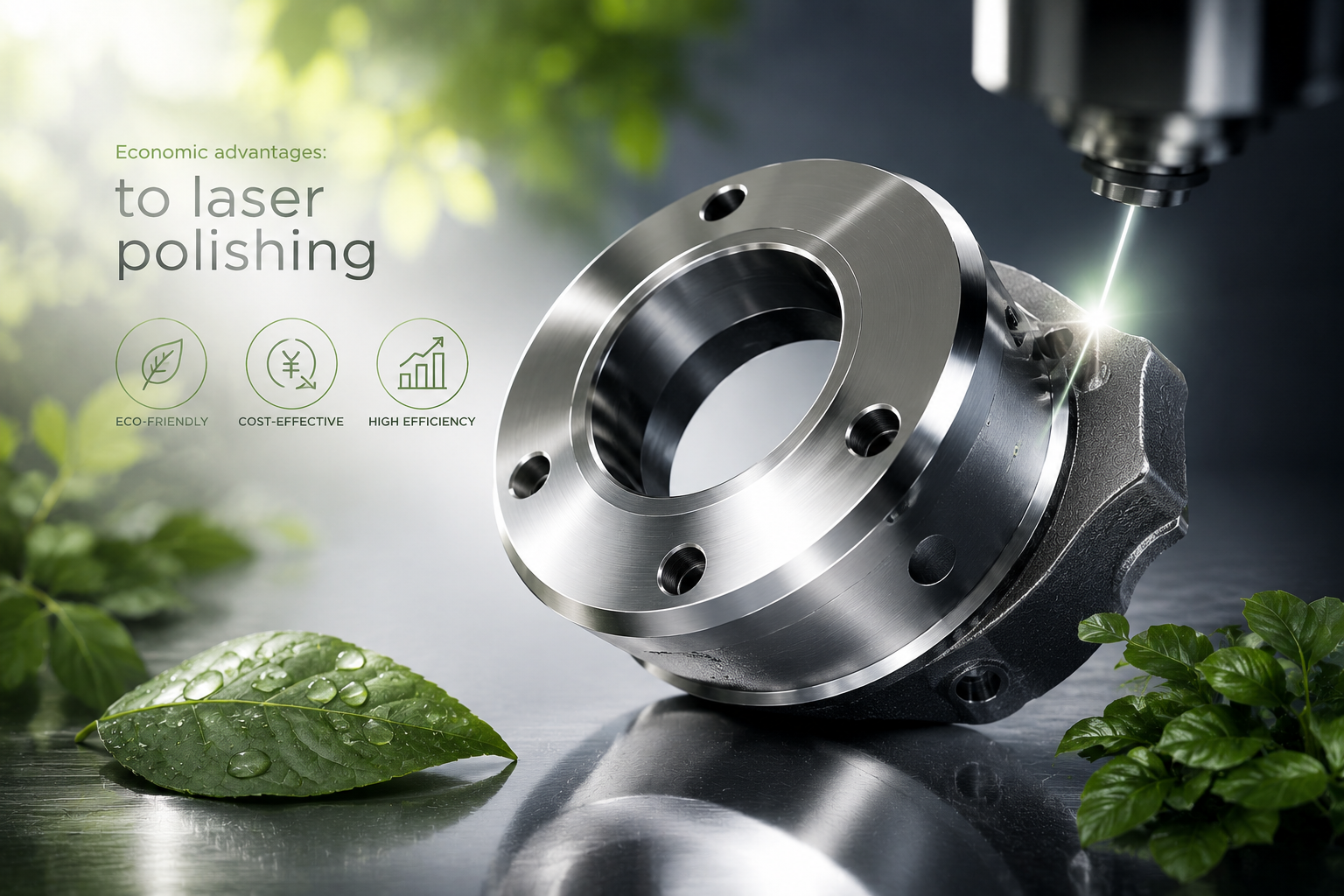
Laser Polishing vs. Conventional Polishing Technologies
Precision without contact. Repeatability without mechanical tool wear.
Laser polishing uses precisely controlled laser energy to modify the surface without mechanical tool contact. Compared with mechanical polishing, abrasive blasting and plasma polishing, the laser process offers digitally programmable treatment, selective processing, high repeatability and excellent potential for automated production.
| Aspect | Laser Polishing FibeerSX Laser Technology | Mechanical Polishing Abrasive / Tool-Based Process | Abrasive Blasting Particle-Based Surface Processing | Plasma Polishing Electrochemical / Plasma Process |
|---|---|---|---|---|
| Process Type | ✓ Non-contact | Mechanical contact | Abrasive particle impact | Electrochemical / plasma-based |
| Mechanical Tool Contact | ✓ None | Direct tool contact | Particle impact on surface | ✓ No mechanical polishing tool |
| Selective Processing | ✓ Highly localized only defined functional areas need to be processed | Possible but tool-access dependent | Masking may be required | Typically less localized |
| Digital Process Control | ✓ Fully programmable | CNC / machine dependent | Pressure, media and exposure dependent | Electrical and process parameters controllable |
| Surface Modification | ✓ Precisely adjustable | Abrasive- and tool-dependent | Media and pressure dependent | Process-parameter dependent |
| Material Removal | ✓ Highly controllable process-dependent surface remelting / redistribution | Abrasive material removal | Abrasive surface removal / erosion | Electrochemical material removal |
| Tool Wear | ✓ No mechanical polishing tool | — Tool / abrasive wear | No polishing tool, but abrasive media is consumed | No conventional mechanical polishing tool |
| Consumables | ✓ Very low | Abrasives, polishing compounds and tools | Blasting media required | Electrolyte / process medium required |
| Process Changeover | ✓ Software / recipe based | Tool and polishing-medium changes may be required | Media / pressure / setup changes | Process setup and parameter adjustment |
| Treatment Geometry | ✓ Digitally programmable | Tool-path and accessibility dependent | No digitally defined beam path | Determined by immersion, electrodes and process setup |
| Complex Geometries | ✓ High flexibility scanner / robotic path following possible | Limited by tool accessibility | Good accessibility with line-of-sight limitations | Can process complex immersed geometries |
| Small Functional Areas | ✓ Excellent | Tool-size dependent | Difficult without masking | Limited selective-area capability |
| Repeatability | ✓ High digitally stored process parameters | Influenced by tool wear and polishing conditions | Influenced by media condition and process settings | High with controlled process conditions |
| Operator Dependency | ✓ Low when automated | Can be significant in manual polishing | Process setup influences results | Lower in automated systems |
| Mechanical Load | ✓ No direct mechanical load | Mechanical polishing forces applied | Repeated abrasive particle impact | No direct mechanical polishing force |
| Thermal Input | △ Localized & controllable must be optimized for material and application | Friction can generate localized heat | Generally low thermal input | Process-dependent thermal conditions |
| Abrasive Media Required | ✓ No | Typically yes | — Yes | No abrasive blasting media |
| Process Chemicals | ✓ Not required | Polishing compounds may be required | Typically no process chemicals | Process medium / electrolyte required |
| Secondary Waste | ✓ Low extraction may be required depending on process | Abrasive residue and removed material | Used media and removed material | Process liquid / residue management required |
| Automation Potential | ✓ Excellent | Good with robotic polishing systems | Good | Good |
| Inline Integration | ✓ Directly integrable | Dedicated polishing station typically required | Enclosed blasting station typically required | Dedicated process system required |
| Process Monitoring | ✓ Digital parameters | Machine / force / tool monitoring possible | Pressure and media monitoring | Electrical and process monitoring |
| Traceability | ✓ Recipe & process data | Requires production-data integration | Requires additional production-data integration | Process data can be recorded |
| High-Mix Production | ✓ Excellent recipes and paths can be changed digitally | Tooling and setup dependent | Setup and masking may limit flexibility | Process setup dependent |
| Best Suited For | Precision functional surfaces, selective polishing, automated production and digitally controlled surface finishing | Conventional finishing, large surfaces and applications where mechanical access is available | Surface cleaning, roughness modification and non-selective surface preparation | Suitable conductive materials and applications compatible with electrochemical plasma processing |