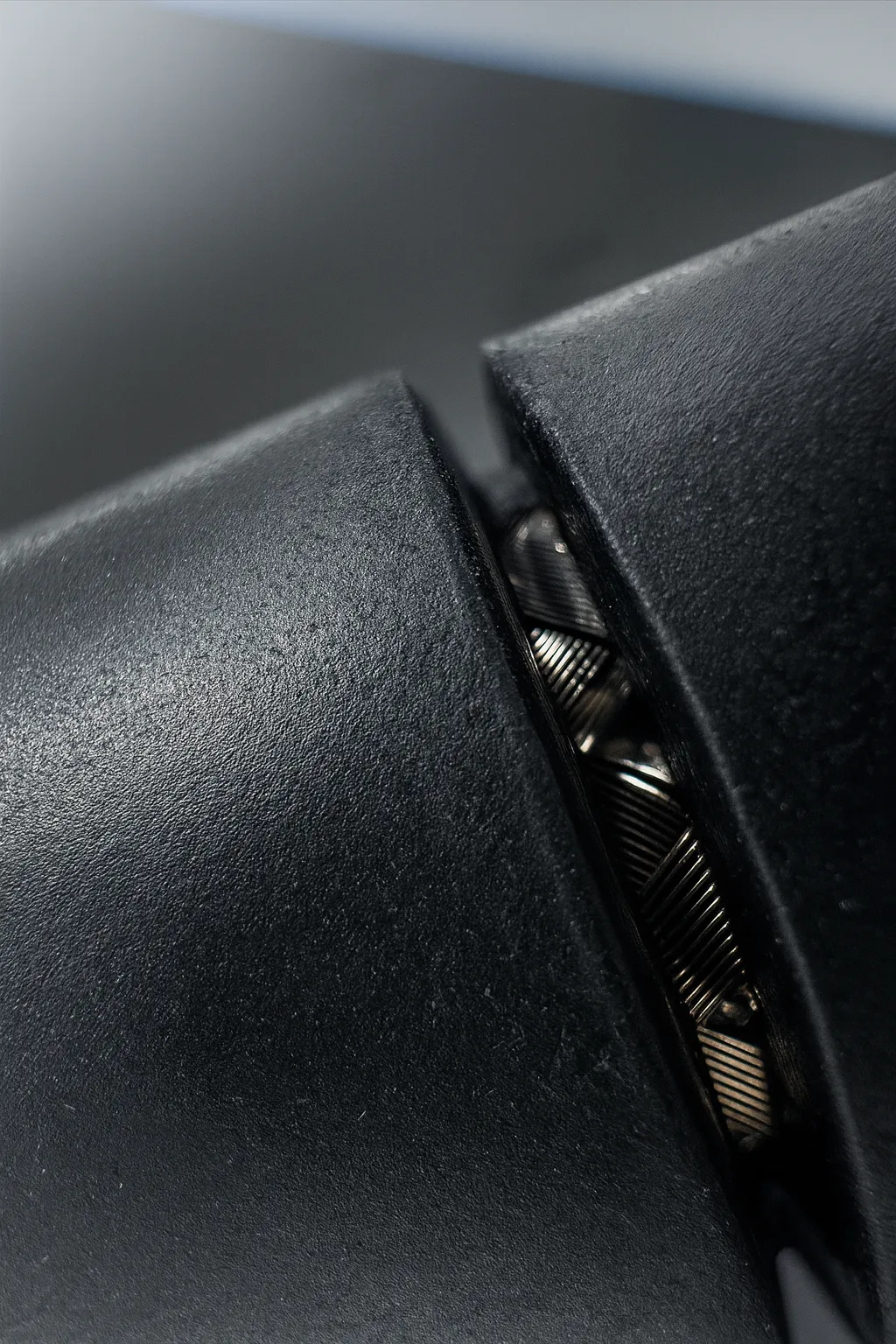
Laser Wire Stripping Contact-Free Insulation Removal
High-Precision, Contact-Free Insulation Removal for Modern Manufacturing
Laser wire stripping has become the industry standard for high-volume electronics, automotive and e-mobility production. FibeerSX laser systems remove insulation completely contact-free, eliminating mechanical damage, tool wear and process variability.
The technology delivers micron-level precision, exceptional repeatability and seamless integration into fully automated production environments, making it ideal for next-generation manufacturing applications.
Download Technical Information
Please enter your company contact details to access the technical documentation.
Cable Stripping Methods
| Method | Conductor Damage-Free |
Precision | Repeatability | Complex Cables |
Automatable |
|---|---|---|---|---|---|
|
01
Blade / Mechanical
|
|||||
|
02
Thermal Stripping
|
|||||
|
03
Chemical Stripping
|
|||||
|
04
Laser Stripping
|
Key Industrial Differences
| Aspect | Conventional Methods | Laser Process |
|---|---|---|
| Contact-free process | — | ✓ |
| Risk of micro-damage | — | ✓ |
| Scrap rate | — | ✓ |
| Programmability | — | ✓ |
| Consumables required | — | ✓ |
| Production line integration | △ | ✓ |
What is Laser Wire Stripping?
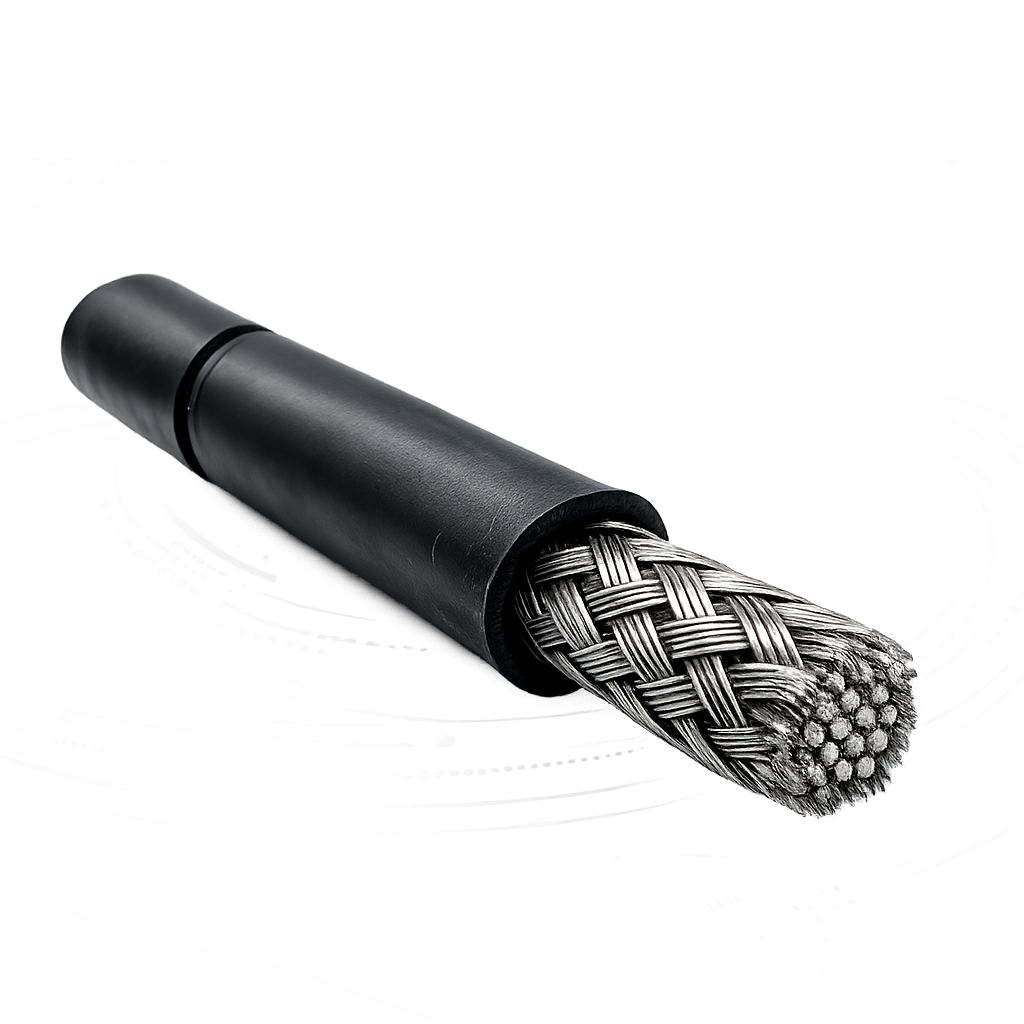
- Laser wire stripping uses a highly focused laser beam to remove the outer insulation from a cable or conductor.
- Contact-free: no mechanical force, no cutting blades and no stress on the conductor.
- Highly precise: the laser operates exactly where required, including end-stripping, window stripping and multi-step removal.
- Thermally controlled: the insulation is vaporized while the conductor remains completely undamaged.
- Essential for fine stranded wires, coaxial cables, high-voltage EV cables and medical device wiring, where mechanical stripping is too risky or inconsistent.
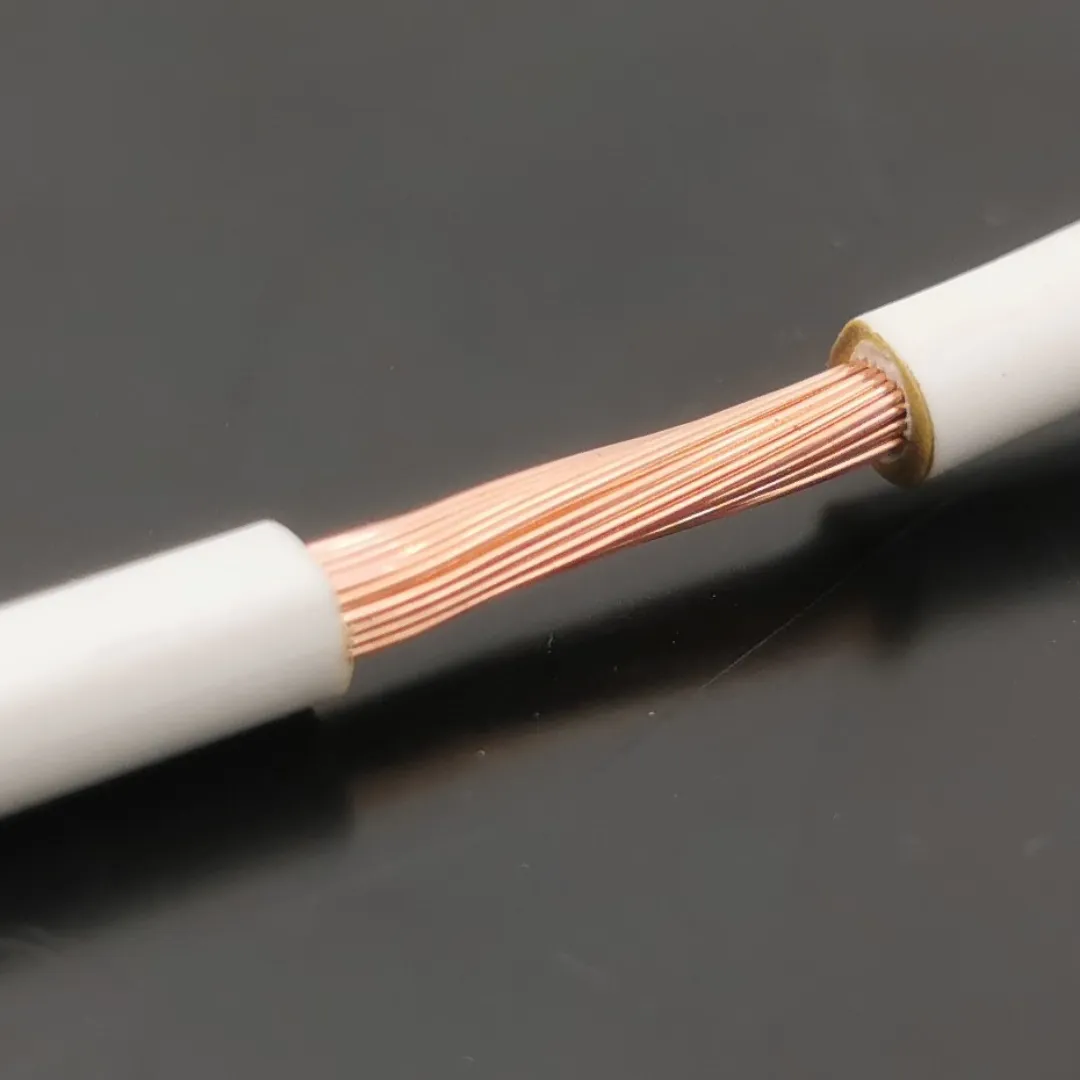
Why Laser Wire Stripping Outperforms Traditional Methods
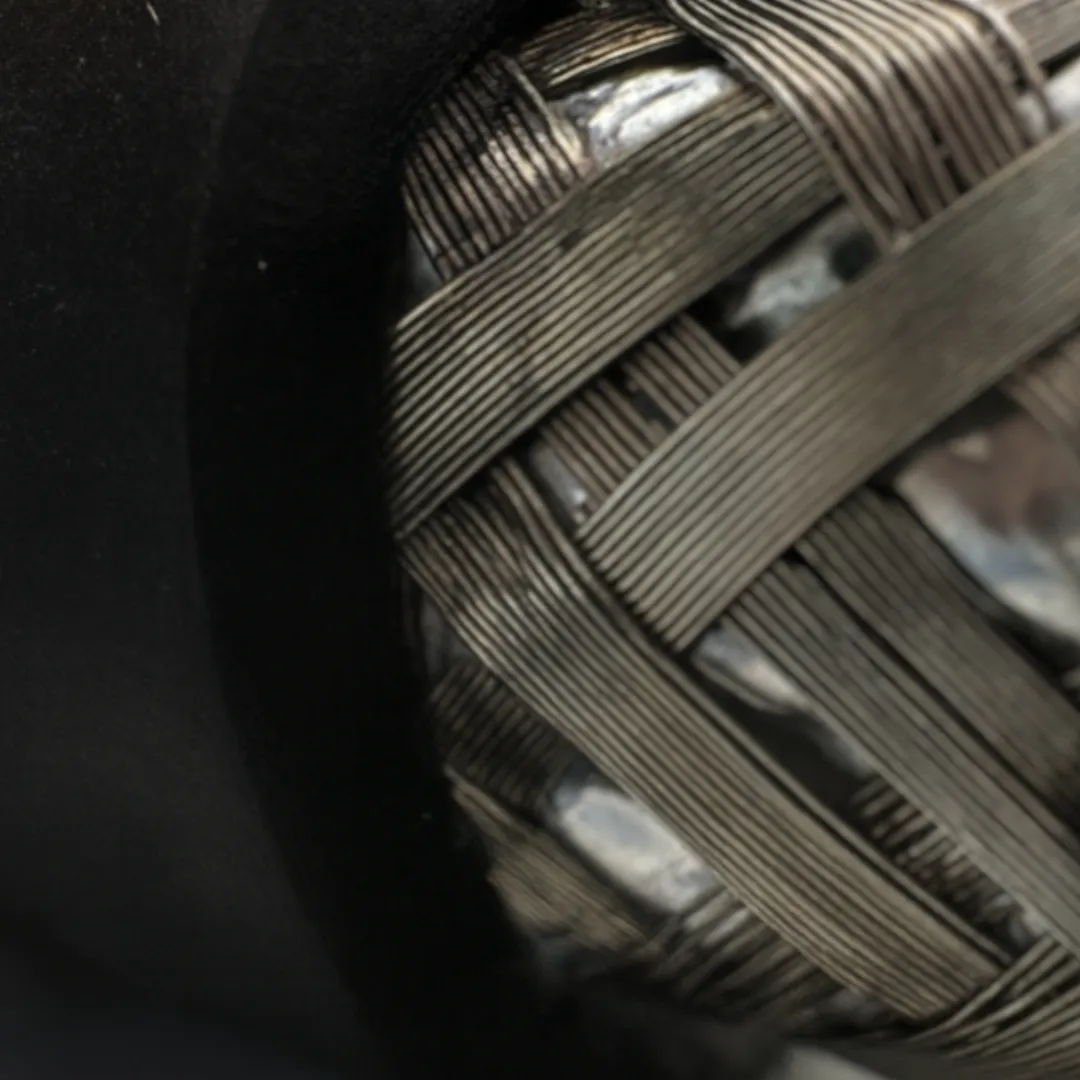
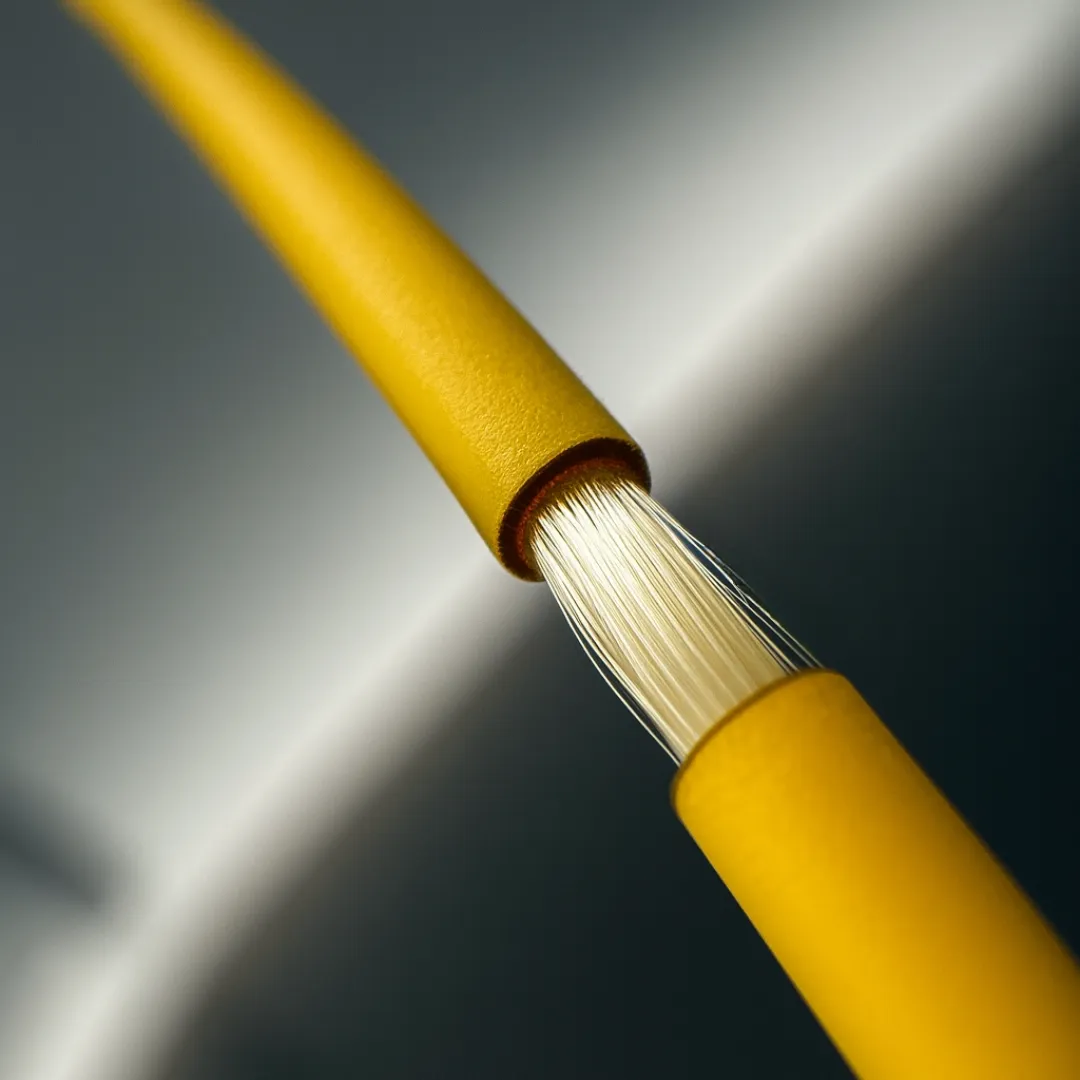
Contact-Free, Damage-Free Technology
- Mechanical stripping systems (blade, rotary blade, thermal cutters) can easily:
- nick or damage the conductor
- weaken fine strands
- create micro-cracks that lead to long-term failures
- Laser stripping introduces zero mechanical load, meaning no blade wear, no deformation and consistent quality from 0.05 mm² micro-wires to thick power cables.
Micron-Level Accuracy & Repeatability
- Laser processing ensures:
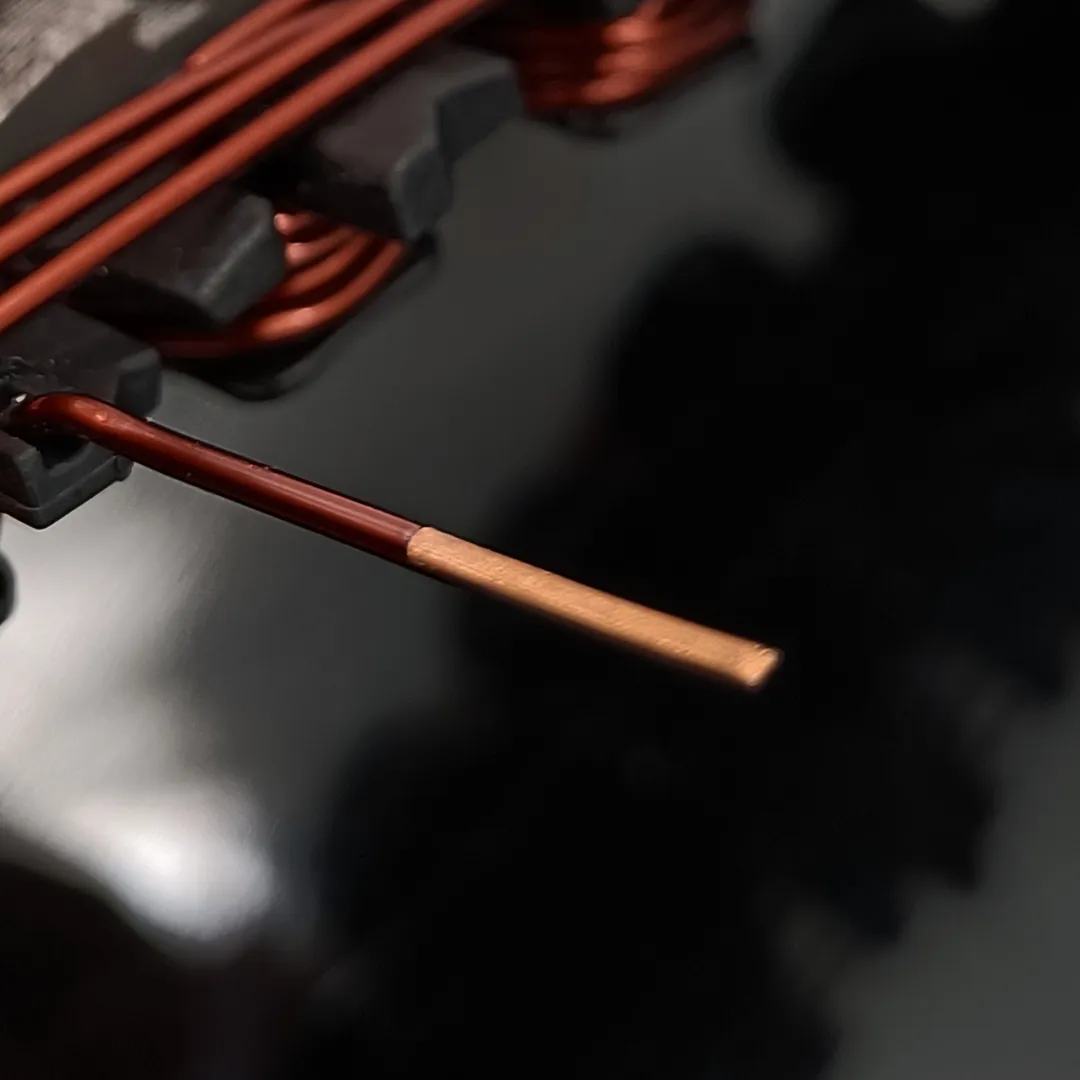
- ± a few microns positioning accuracy
- reliable window stripping anywhere along the cable
- clean removal of multi-layer insulation (PTFE, PVC, enamel, lacquer, FEP, etc.)
- This is especially important for automotive wiring harnesses, ECU wiring, battery connections, sensors and signal cables.
Wide Material Compatibility
- Laser wire stripping supports:
- copper and aluminium wires
- solid and stranded conductors
- shielded, coaxial and multi-layer cables
- all common insulation types (PTFE, PVC, FEP, PE, enamel, etc.)
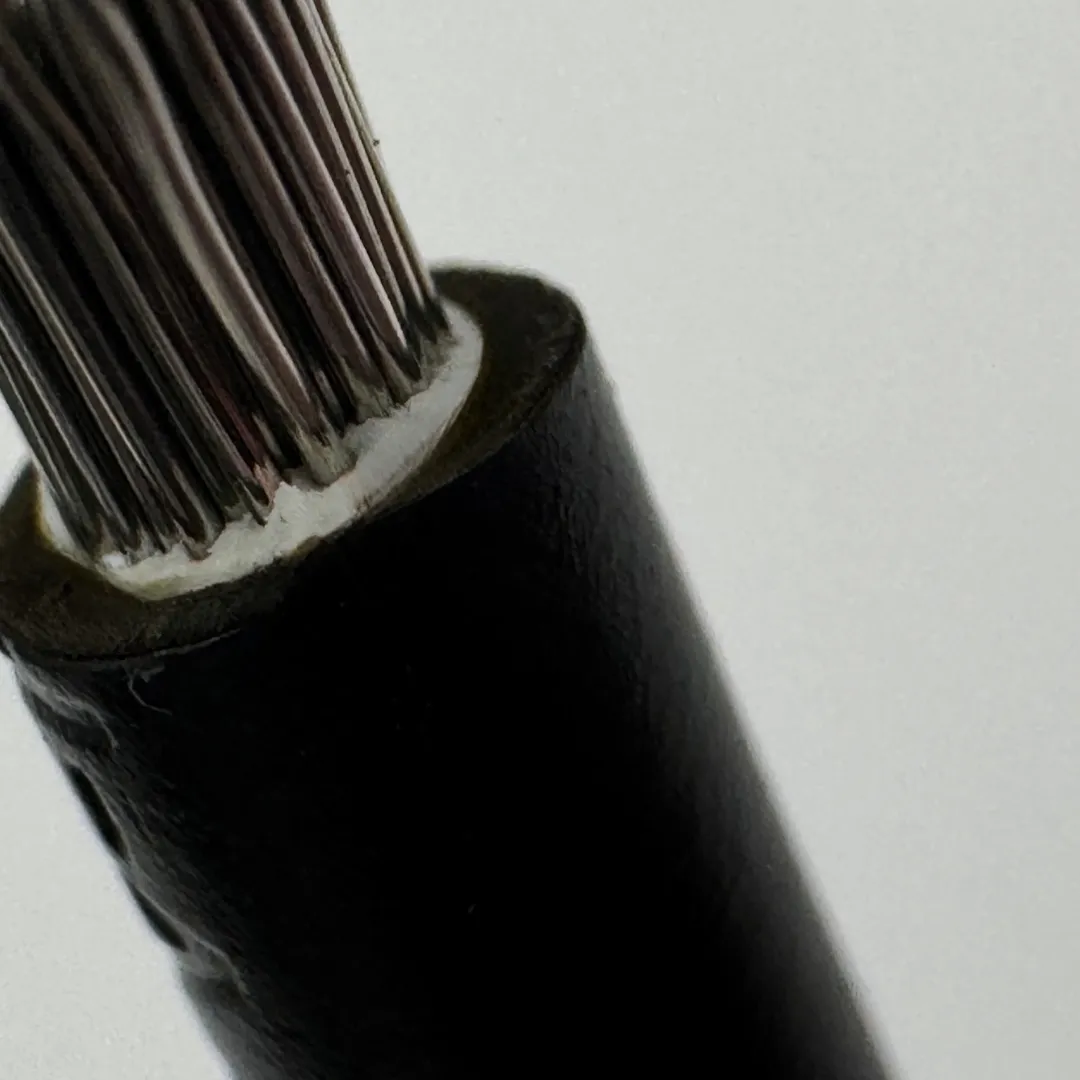
- The process generates minimal debris, does not require consumables, and creates a cleaner, safer production environment.
Seamless Integration Into Automated Production Lines
- FibeerSX laser wire stripping systems:
- integrate with robotic cells, cable assembly lines, inline measurement & testing stations
- communicate with existing PLC / MES systems
- support full traceability, QR/DataMatrix marking and recipe handling
Laser Cable Stripping vs. Conventional Stripping Technologies
Selective, layer-by-layer stripping without mechanical blade contact.
FibeerSX laser cable stripping combines scanning speeds of up to 14,000 mm/s, non-contact processing and programmable layer-by-layer material removal. The laser process can selectively remove individual insulation or coating layers while protecting the underlying conductor when the process is correctly validated for the cable structure.
| Aspect | Laser Cable Stripping FibeerSX Laser Technology | Rotary Blade Stripping Mechanical Blade Process | Automatic Cutting & Stripping Automated Mechanical Processing | Thermal Stripping Heated Tool / Thermal Process |
|---|---|---|---|---|
| Maximum Scan Speed | Up to 14,000 mm/s maximum laser scanning speed; actual cycle time depends on cable and process | Mechanical rotation / feed-rate dependent | Machine and cable dependent | Heating and dwell-time dependent |
| Process Type | ✓ Non-contact | Mechanical cutting | Mechanical cutting & pulling | Thermal separation |
| Layer-by-Layer Stripping |
✓ Selective Layer-by-Layer
Individual material layers can be processed with dedicated laser parameters
|
— Limited blade depth is mechanically defined | — Limited dependent on tooling and cable construction | △ Material dependent |
| Mechanical Contact | ✓ None | Direct blade contact | Direct blade / tooling contact | Heated tool may contact insulation |
| Conductor Contact | ✓ No mechanical contact | Possible if blade depth is incorrect | Possible depending on tooling and adjustment | No cutting blade, but thermal influence must be considered |
| Risk of Conductor Damage | ✓ Very low with validated material-selective parameters | △ Blade-setting dependent | △ Tooling-dependent | △ Thermal risk |
| Scrap / Reject Potential | ✓ Minimal potentially near-zero process-related rejects after validated process setup | Influenced by blade wear, adjustment and cable tolerances | Influenced by tooling, setup and cable variation | Influenced by temperature, dwell time and insulation material |
| Cutting Tool Wear | ✓ None | — Blade wear | Blade / tooling wear | Heated element / tooling maintenance |
| Tool Replacement | ✓ No cutting-tool replacement | Periodic blade replacement | Periodic tooling replacement | Heating tools may require replacement |
| Laser Source Lifetime | Up to 100,000 h laser source operating lifetime | Not applicable | Not applicable | Not applicable |
| Processing Geometry | ✓ Digitally programmable | Defined by mechanical tool geometry | Defined by machine and tooling | Defined by thermal tool geometry |
| Strip Length Adjustment | ✓ Digital | Mechanical / machine adjustment | Programmable machine setting | Machine / tooling dependent |
| Different Cable Geometries | ✓ Highly flexible | Tooling adjustment may be required | Tooling / guide changes may be required | Heating-tool compatibility required |
| Multi-Layer Cables | ✓ Excellent individual layers can be processed using different recipes | Challenging when precise depth separation is required | Tooling-dependent | Strongly material-dependent |
| Thin / Sensitive Conductors | ✓ Well suited after application-specific process validation | Blade penetration must be carefully controlled | Tool setup must be carefully controlled | Thermal sensitivity must be considered |
| Process Changeover | ✓ Recipe based software-controlled parameter change | Blade / tool adjustment may be required | Program + tooling change may be required | Temperature / tooling setup change |
| Process Repeatability | ✓ High digitally stored process recipes | Influenced by blade condition and setup | High with stable tooling and setup | Temperature and material dependent |
| Automation Potential | ✓ Excellent | Good | ✓ Excellent | Good |
| Inline Integration | ✓ Direct integration | Possible | Excellent | Possible |
| Process Monitoring | ✓ Digital parameters | Tool condition / position monitoring | Machine and tooling monitoring | Temperature monitoring |
| Traceability | ✓ Recipe & process data | Additional data integration required | Machine-data integration possible | Additional data integration required |
| High-Mix Production | ✓ Excellent multiple cable recipes can be stored digitally | Tool adjustment dependent | Good with suitable tooling | Material and tool dependent |
| Best Suited For | Multi-layer cables, sensitive conductors, precision stripping, high-mix production and automated processes | Standard cable constructions with stable dimensions | High-volume standardized cutting and stripping | Insulation materials suitable for controlled thermal stripping |
Typical Applications in the Electronics Industry
Automotive & E-Mobility
- High-voltage cable preparation for EV battery systems
- Window stripping for automotive wiring harnesses
- Precision stripping of sensor and signal wires
Electronics Manufacturing & PCB Assembly
- Micro-wire stripping from 0.05–0.5 mm²
- Board-to-wire connection preparation
- Selective removal of shielding layers
Medical & Precision Industry
- Medical probe and catheter wiring preparation
- Delicate micro-cabling applications
- Multi-layer PTFE and FEP insulation removal
Telecom & Data Communication
- Multi-stage stripping of coaxial cables
- Optical cable jacket preparation
- Selective insulation removal without damaging shielding

Modular Laser Wire Stripping Systems for Industrial Production
- High-precision laser optics optimized for advanced cable processing
- Adjustable pulse parameters for different insulation materials and wire types
- Recipe management for power cables, micro-wires and coaxial stripping applications
- Optional vision-based positioning and real-time process monitoring
- Complete safety architecture including Class-1 enclosure, interlocks and light curtains