Categories
news

Laser milling offers significant advantages in manufacturing

Laser milling offers significant advantages in manufacturing, particularly due to its versatility in materials and applications. Unlike traditional milling, laser milling can operate without direct contact, allowing it to handle a variety of materials, including rubber, titanium, metal alloys, and aluminum.
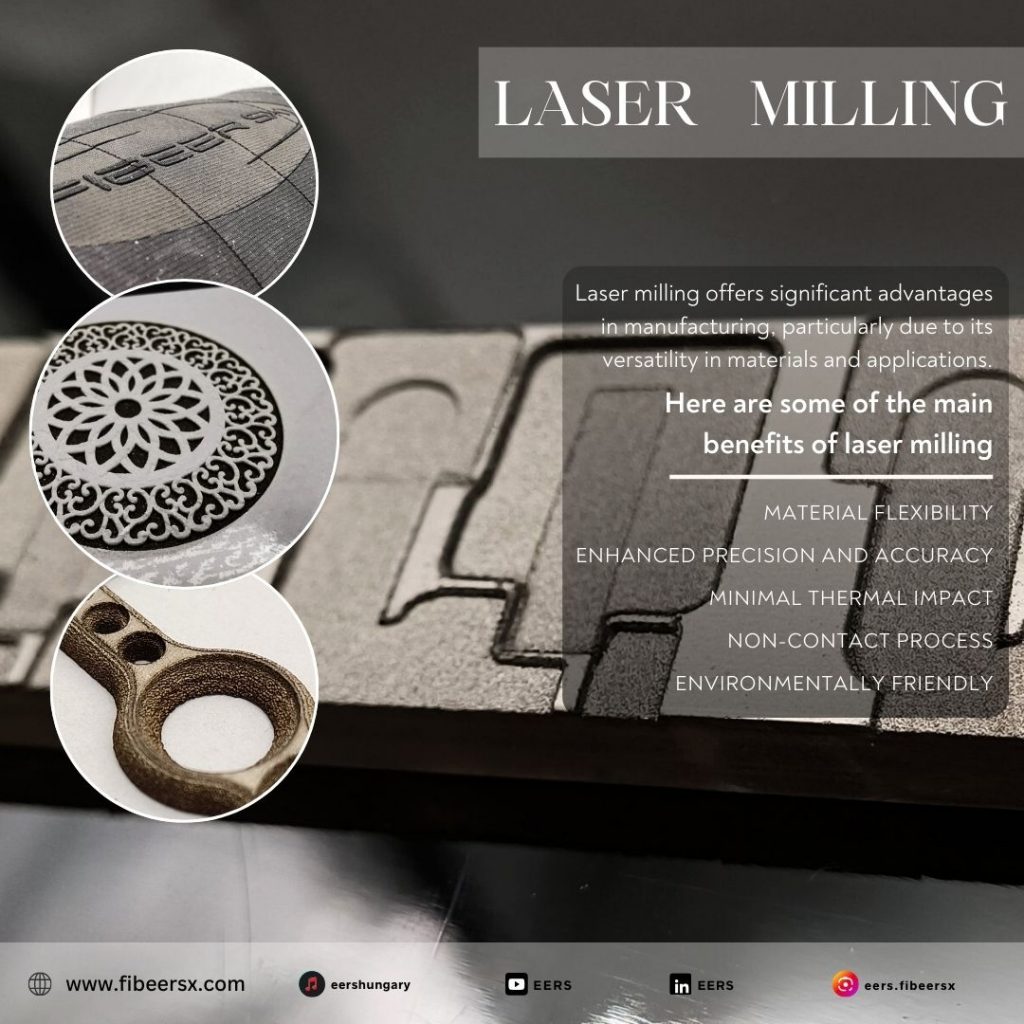
Here are some of the main benefits of laser milling

Material Flexibility: The precision of laser milling accommodates hard metals like titanium, soft materials like rubber, and various alloys, making it a valuable tool across industries.

Enhanced Precision and Accuracy: Laser milling achieves fine, intricate details without compromising the material’s structural integrity, making it ideal for components that require high tolerances.

Minimal Thermal Impact: Unlike conventional methods, laser milling minimizes heat-affected zones, reducing the risk of warping or deforming heat-sensitive materials.

Non-Contact Process: Since laser milling is a non-contact method, there’s no risk of tool wear or direct pressure on materials, which increases the lifespan of the laser system and ensures consistent quality.

Environmentally Friendly: Laser milling produces less waste and fewer by-products, aligning with more sustainable manufacturing practices.

Laser milling’s adaptability allows manufacturers to employ one system for multiple materials, making it a valuable investment for diverse production needs.
Categories
news

FibeerSX Services

Our modular laser equipment is designed to meet unique and customized requirements. Built to integrate seamlessly into automated production lines or workstations, our lasers are CE-certified and compliant with the specific demands of our clients. We consistently enhance our products and services, facing even the most challenging tasks with confidence.

In addition to top-quality laser solutions, we offer:

4-year warranty for reliable, long-term performance,
On-site consultation for tailored guidance,
Full Hungarian support team for local expertise,
Remote assistance capabilities for immediate troubleshooting,
Support with installation, integration, and commissioning to ensure smooth operation,
Comprehensive training for safe, efficient usage,
Windows-compatible software to streamline integration,
Preventive maintenance to ensure consistent quality,
Replacement unit service when needed to avoid disruptions.
With these offerings, we are committed to supporting our partners at every stage, from initial setup to long-term operation.

Categories
news

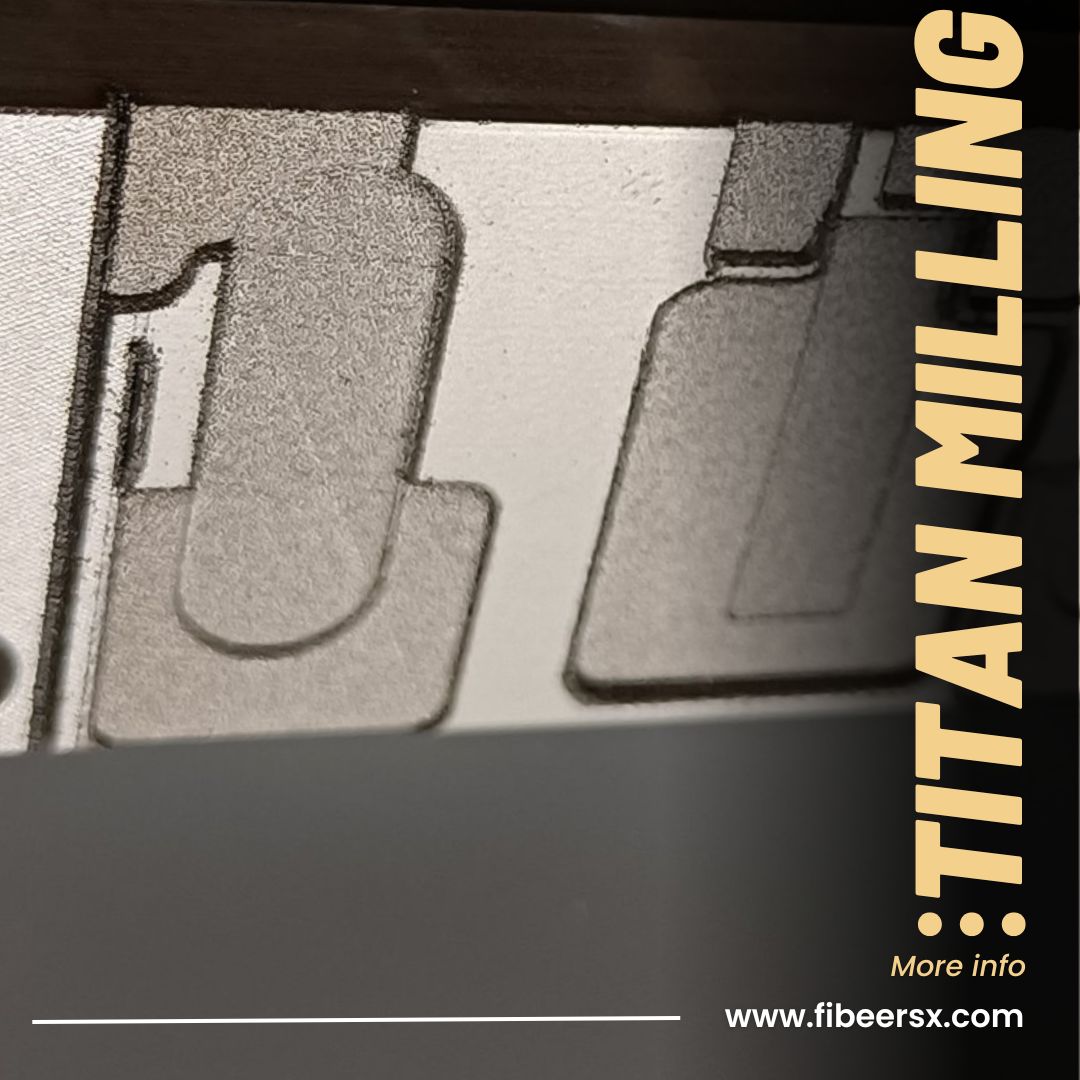
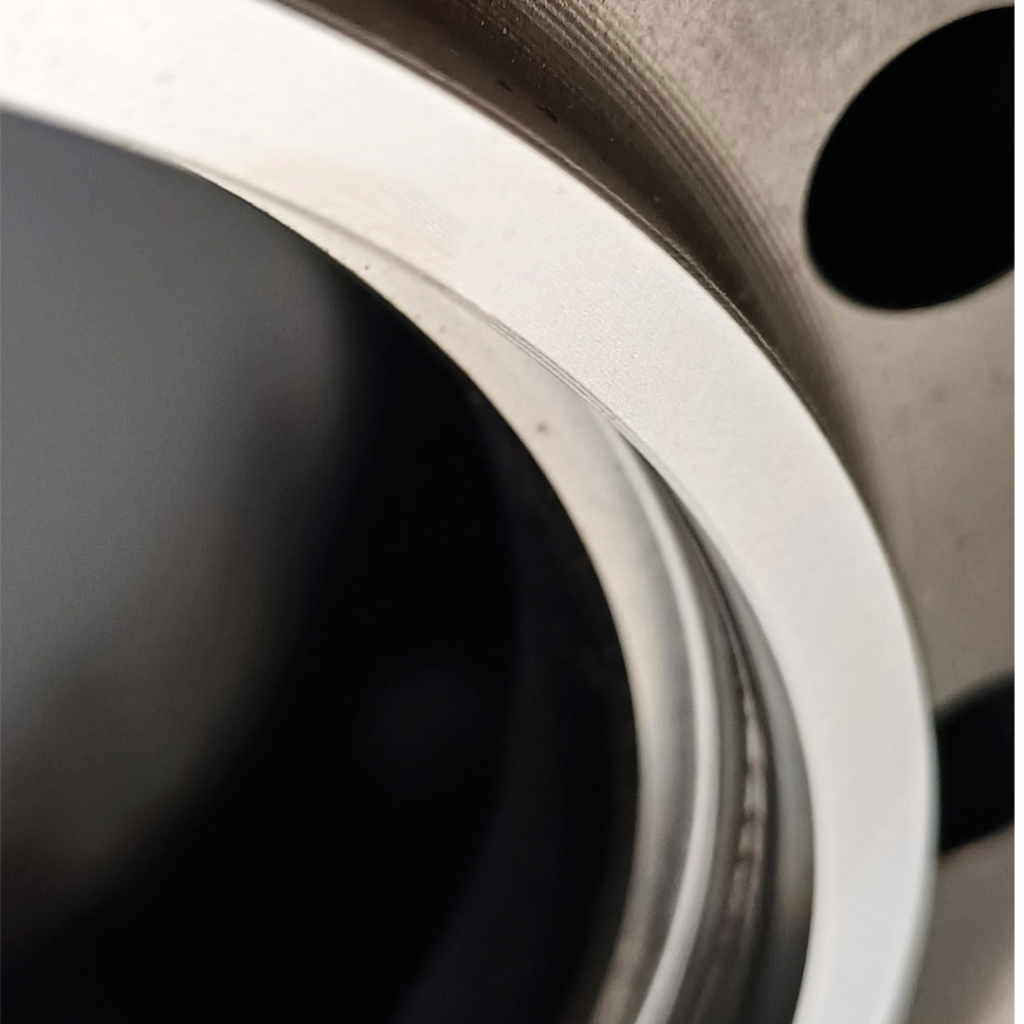
Laser milling of titanium is a specialized process

Laser milling of titanium is a specialized process that combines the benefits of laser technology with the unique properties of titanium. Traditional milling techniques, while effective, encounter challenges with titanium due to its hardness, heat resistance, and reactivity with cutting tools. Laser milling offers a solution to these issues, providing precise, non-contact processing with several distinct advantages.

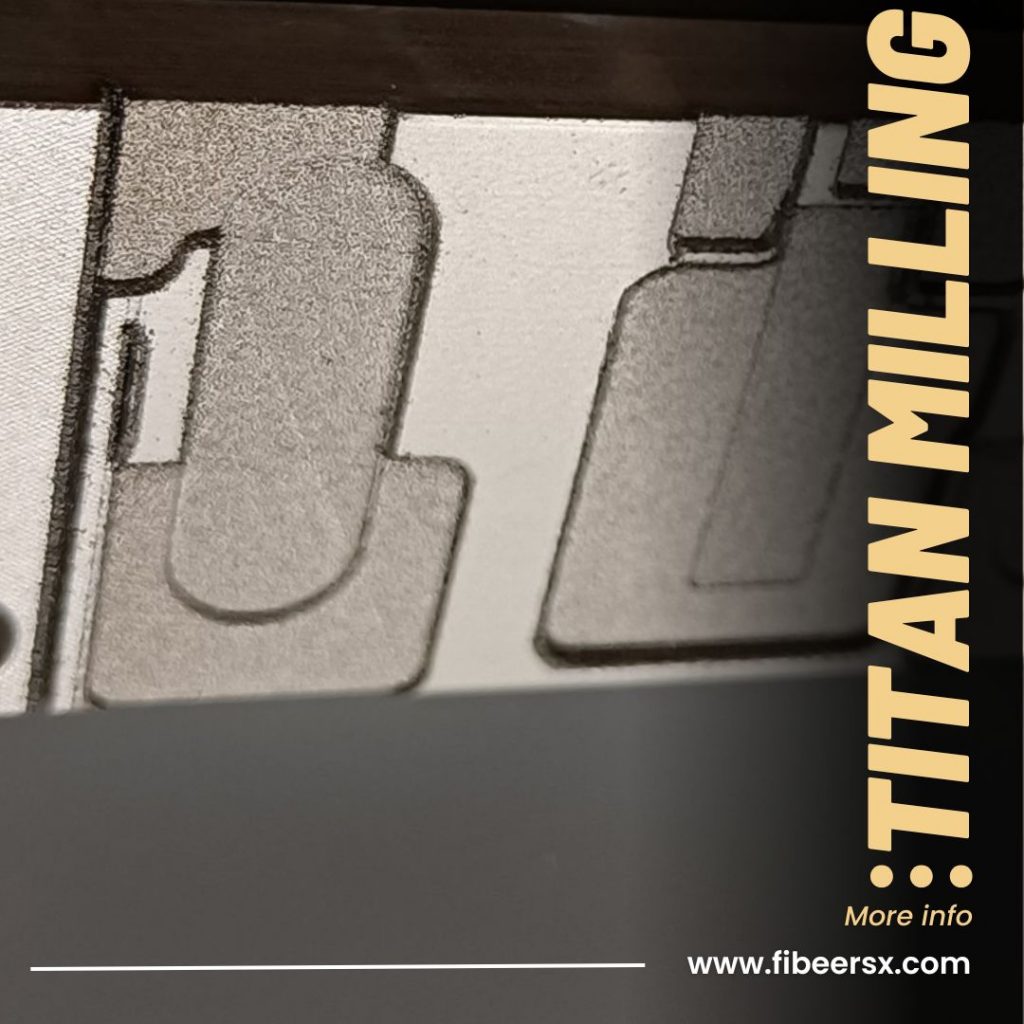
titan milling

Laser milling can achieve intricate designs and small, precise features that are difficult with conventional methods. The laser beam removes material in highly controlled layers, allowing complex patterns to be created on titanium surfaces.
Advanced laser milling setups can focus energy to create localized heating that removes material but avoids extensive heat spread. This minimizes thermal distortion and preserves the integrity of the titanium.
Laser milling is ideal for thin-walled or complex titanium parts where traditional machining might cause bending or deformation. The flexibility of laser technology means it can be programmed to handle diverse shapes without risking structural damage.

Categories
news

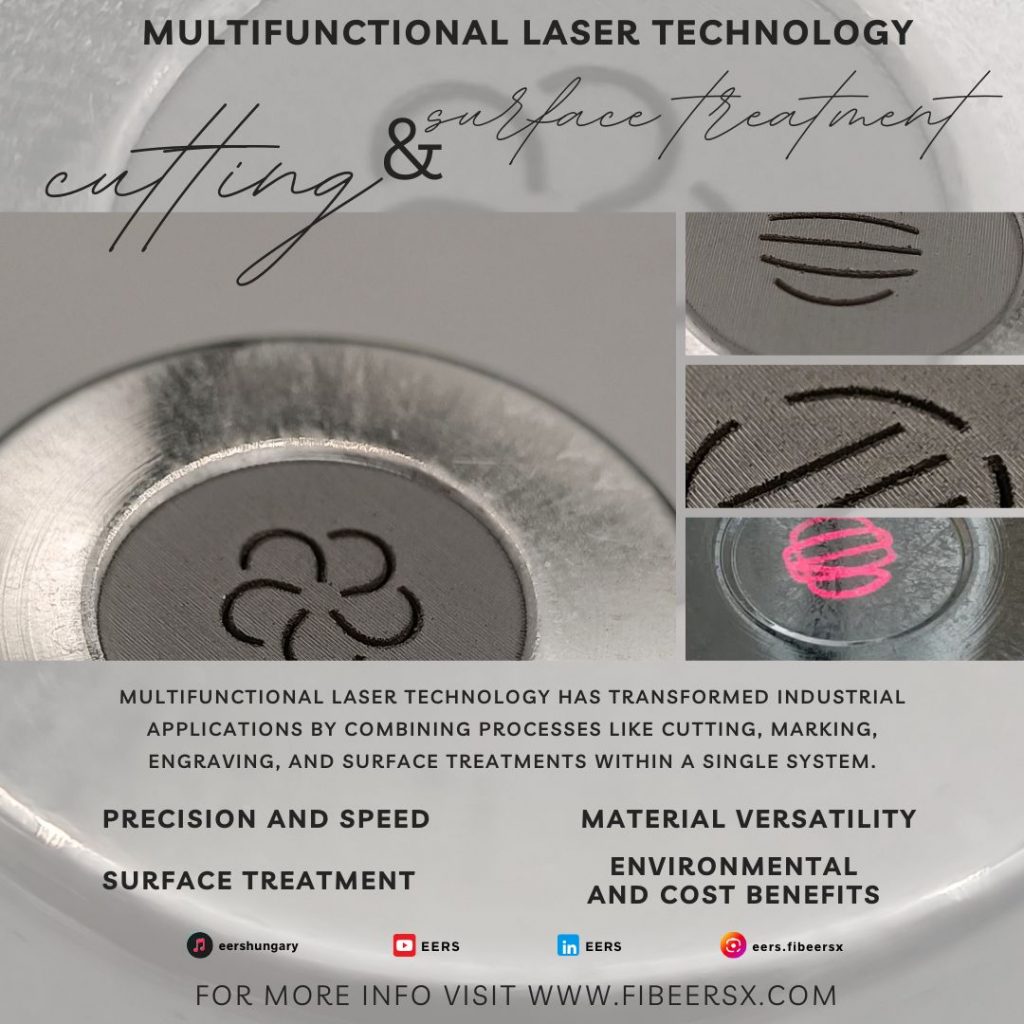
Laser Cutting and Surface Treatment


Multifunctional laser technology has transformed industrial applications by combining processes like cutting, marking, engraving, and surface treatments within a single system. This approach allows for streamlined production, reducing the need for multiple machines and enabling versatile functionality across diverse industries, such as automotive, aerospace, electronics, and medical device manufacturing.

surface , cutting

Precision and Speed: Laser cutting offers unmatched accuracy and speed, ideal for both small-scale and mass production. Materials such as metals, plastics, and ceramics can be processed with high precision, leaving smooth edges and reducing post-processing.

Surface Treatment: Using lasers for surface treatments allows for functions like cleaning, engraving, and texturing. Surface texturing, for example, can create micro-patterns that enhance adhesion in bonding applications or improve wear resistance. This is particularly useful in creating durable, non-slip surfaces or optimizing surfaces for coating adhesion.

Material Versatility: Multifunctional lasers can adapt to different materials and applications, meaning they’re suitable for metals, polymers, composites, and even fabrics, providing flexibility in industries where various materials are used.

Environmental and Cost Benefits: Laser technology is a clean, often contact-free process that reduces waste and minimizes tool wear, resulting in lower maintenance costs and a reduced environmental footprint.

Categories
news

Better Adhesion Result

surfacetreatment

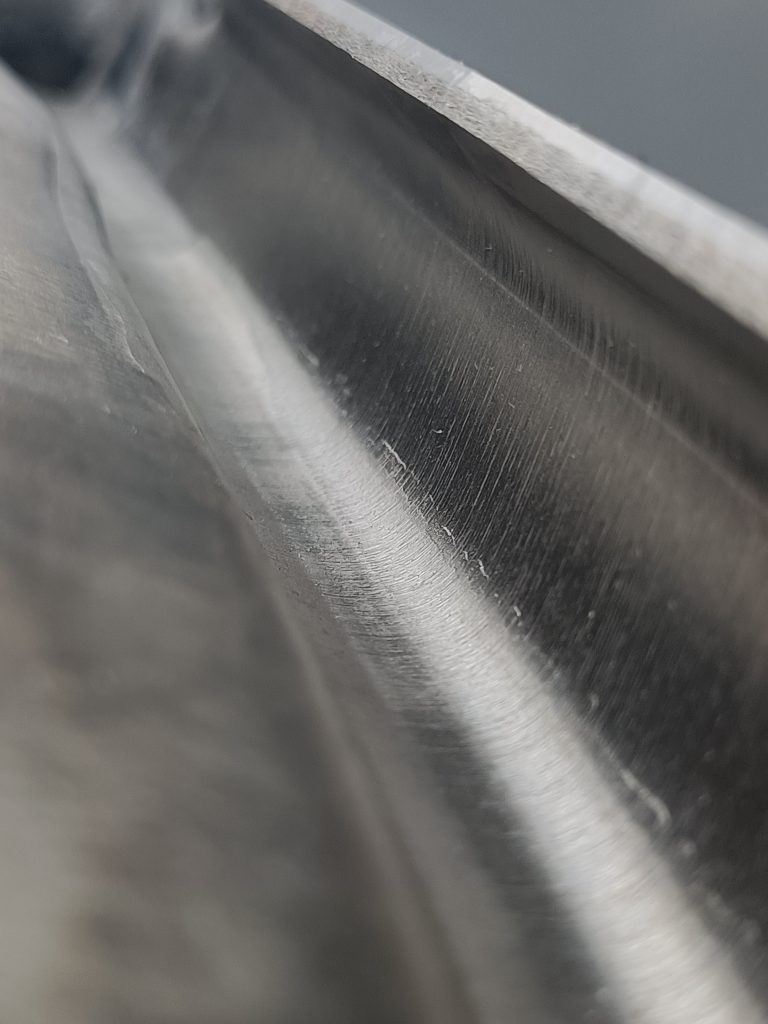
In contrast to polished surfaces, microribs created with laser technology provide increased adhesion. The fine structures created with the help of laser technology increase the roughness of the surface, which contributes to the stronger and more durable adhesion of various materials, such as adhesives and sealants, to the surface. This method is particularly beneficial during manufacturing processes, as the micro-ribbed surfaces result in better bonding without damaging the material.

Advantages of Laser Microgrooving in Improving Adhesion

Laser microgrooving offers an innovative solution to enhance adhesion in industrial applications where the reliability of adhesives and sealants is crucial. This technology allows the surface to have microscopic roughness, thereby ensuring better adhesion of the joining materials. Compared to polished surfaces, laser-created microgrooves offer a significant advantage, as the finely structured surface results in a strong bond.

Laser microgrooving is a non-contact process, thus reducing the risk of mechanical damage, while providing excellent precision and repeatability, this method also supports manufacturing processes, as it ensures that the adhesion remains reliable, durable and stable over the long term.

Categories
news

Advantages of laser cleaning over traditional methods

The fundamental task of industrial cleaning is to remove contaminants from surfaces, which often include rust, oil, glue, resin or sealants. Traditional cleaning methods, such as chemical treatments, sandblasting or dry ice cleaning, have been used in industry for a long time. However, these methods often produce large amounts of waste, are expensive and have a harmful effect on the environment and human health. Laser cleaning, on the other hand, is a modern and effective solution that has many advantages.

Non-contact and precise cleaning

The essence of laser cleaning is to selectively remove contaminants using high-energy laser light. The process is non-contact, which minimizes the possibility of mechanical damage to the surface to be cleaned, which is especially important for sensitive surfaces where traditional mechanical or chemical cleaning could damage the material.

Chemical-free, environmentally friendly process

While traditional cleaning methods often require chemicals, laser cleaning is a completely chemical-free process, so it does not produce hazardous waste. Laser light removes contaminants directly from the surface, eliminating the need for chemicals that require separate treatment. It is not only cost-effective from a future perspective, but also advantageous from an environmental perspective.

Precise, flexible application

Laser cleaning is used in a wide range of industrial areas, including rust removal, removal of adhesives and sealants, and cleaning of oily and resinous contaminants. This technology is so precise that it can remove contaminants even on complex, hard-to-reach surfaces without damaging the material. The laser can also be easily adjusted to remove only a certain layer thickness, which is especially important in precision industries.

Low maintenance and operating costs

Traditional cleaning methods usually involve a large amount of material consumption, while laser cleaning only requires energy. The non-contact process minimizes wear on the device, which significantly reduces maintenance costs and increases the device’s lifespan, making laser cleaning not only environmentally friendly but also a cost-effective solution in the long run.

Improves the working environment

Laser cleaning does not produce chemical fumes, unnecessary waste or hazardous materials that can be harmful to the health of workers, minimizing the need to handle hazardous materials, creating a cleaner and safer working environment.

cleaning
Why choose laser cleaning?

Laser cleaning is becoming an increasingly common solution in manufacturing processes today, as it can effectively remove various contaminants without leaving behind hazardous waste or harmful substances. The technology contributes to sustainability, ensures more cost-effective operations, and creates opportunities to make modern manufacturing processes more efficient.

Categories
news

lasers in industrial processes

The use of lasers in industrial processes significantly simplifies and improves production workflows. Laser technology offers high precision, durability, efficiency, and eco-friendliness, making it an ideal solution for modern industrial processes from manufacturing to maintenance.

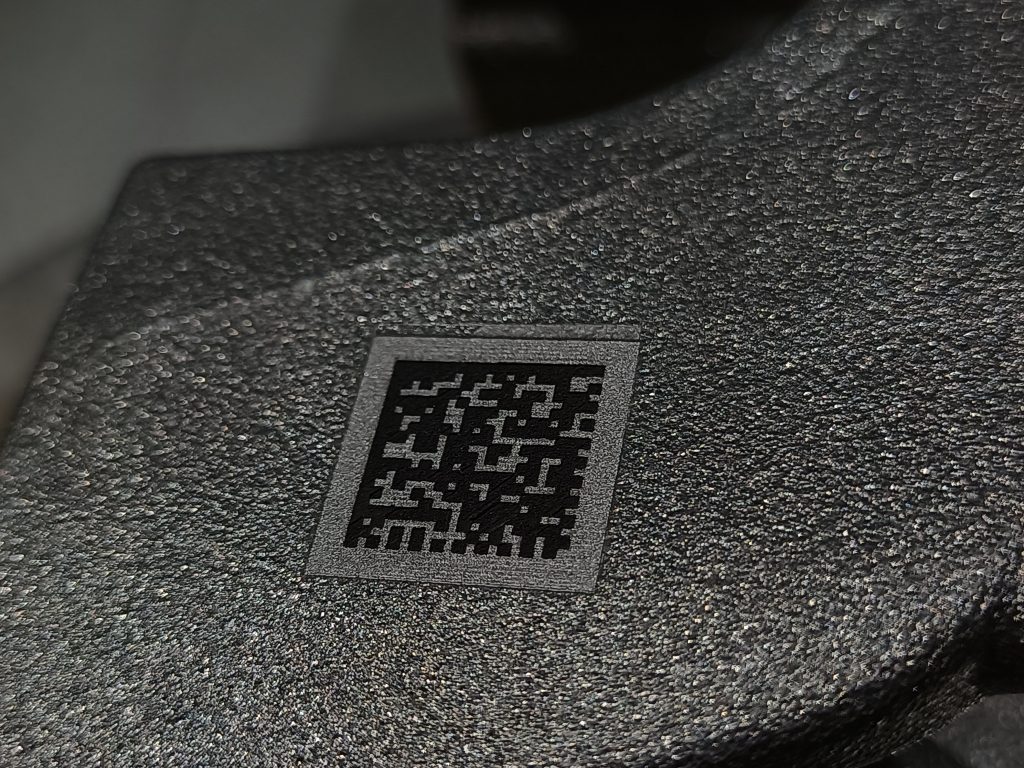
Laser Marking and Engraving for Long-Term Traceability: Laser marking and engraving ensure that identification markings, such as serial numbers, barcodes, or logos, are permanent and resistant to wear and tear. This durability is essential for long-term traceability and compliance with industry regulations.

Laser Cutting, Milling, and Welding: Lasers enable high-precision cutting, milling, and welding processes across various materials, including metals, plastics, and ceramics. Their accuracy reduces material waste, speeds up production, and ensures consistency across batches, offering significant improvements over traditional mechanical methods.

Laser Cleaning for Maintenance: Laser cleaning is an efficient, environmentally friendly method for removing rust, contaminants, and coatings from surfaces without the use of chemicals. This process simplifies maintenance, minimizes downtime, and reduces the environmental impact compared to conventional methods such as sandblasting or chemical cleaning.

Categories
news

The advantages of laser engraving compared to traditional methods

The advantages of laser engraving compared to traditional methods such as inkjet printing and dot embossing are significant due to several key factors.

Request Catalog

In terms of durability, laser engraving is a timeless marking solution that will not fade or wear away over time, unlike ink-based methods such as inkjet printing, which are subject to environmental factors such as heat, chemicals or wear and tear.

When it comes to precision and accuracy, laser engraving provides high-precision results, allowing the creation of detailed and complex designs that cannot be achieved with physical indentation. With the laser process, small, complicated patterns can be engraved with extreme precision, and we can also create high-quality codes on curved surfaces.

Speed ​​and efficiency are slower than mechanical methods, because physical contact is required for marking, even with laser engraving, this is not required, thereby ensuring greater speed and consistency even during repetitive tasks.

There are no consumables for laser marking, because the laser only works with light, in contrast to inkjet printing, which requires ink cartridges or ribbons. Laser processes reduce ongoing operating costs and maintenance requirements, which makes production more environmentally friendly and cost-effective in the long term.

Laser engraving works on a wide variety of materials, including metals, plastics, ceramics and glass, making it more versatile than many traditional marking methods, which may be limited to certain surfaces or materials.

Laser engraving is a non-contact process, which means there is no risk of physical wear or damage to the engraved material, a major advantage over dots that can cause stress or micro-cracks on the surface of the material.

Overall, laser marking and engraving is a faster, more accurate, cost-effective and environmentally friendly alternative to traditional methods such as inkjet printing and dot cleaning, providing excellent performance in both industrial and consumer applications.

Categories
news

Rubber Milling

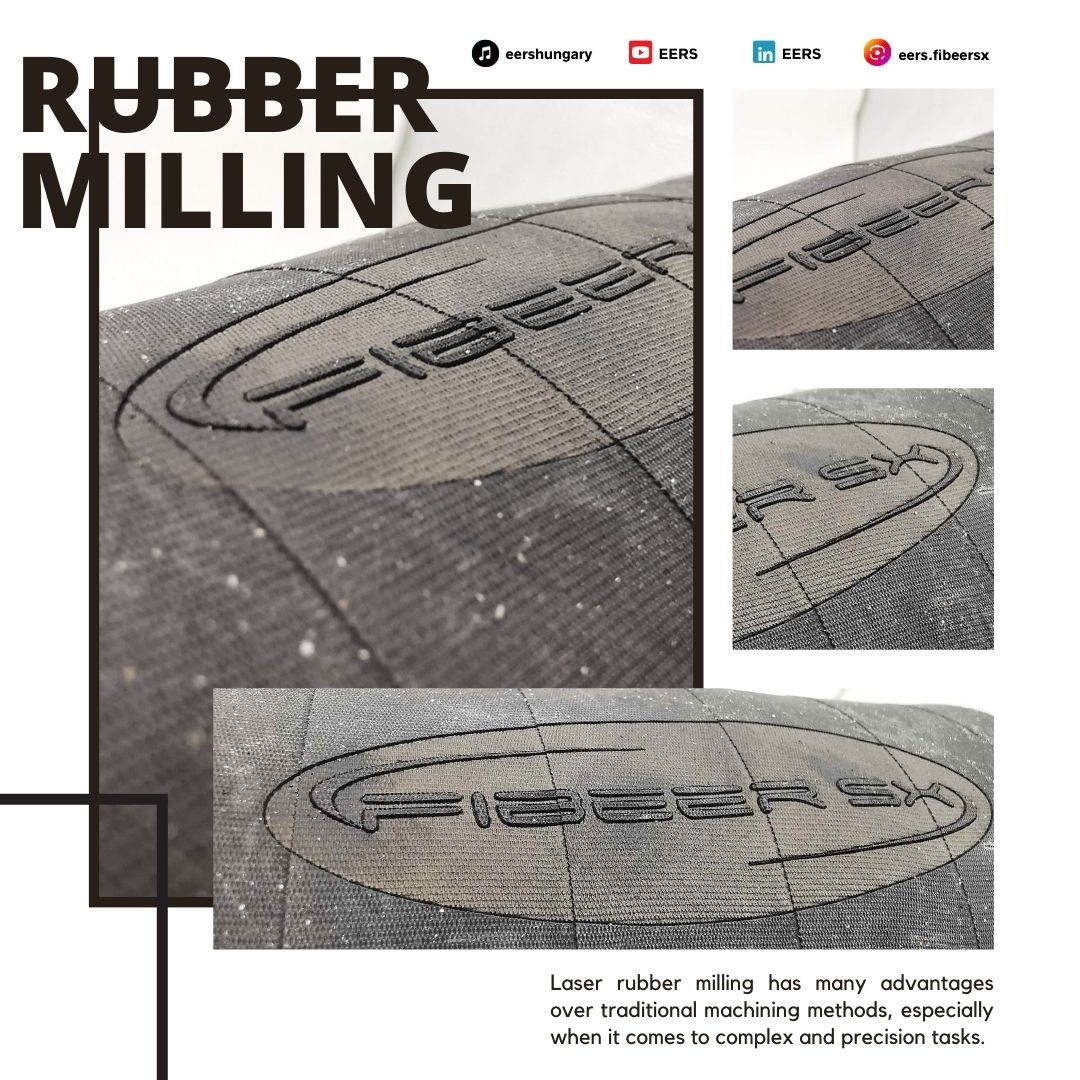
Laser rubber milling has many advantages over traditional machining methods, especially when it comes to complex and precision tasks.

rubber milling

High precision
The laser beam can remove material with exceptional precision, which is ideal for creating fine details and complex shapes, especially for rubber-based products.

Non-contact machining
During laser milling, there is no mechanical contact with the material, so distortion, damage or wear of the material, which often occurs with conventional tools, can be avoided.

Minimal heat effect
Laser processing involves a controlled heat effect, which helps prevent overheating or damage to the material, which is especially important for heat-sensitive rubber.

A fast and efficient process
Laser milling can be faster than traditional methods, which increases productivity, reduces production time, and results in lower costs.

Creating any complex shape
The laser allows the creation of complex shapes and patterns that are difficult to achieve with mechanical means. This is especially useful when creating unique or complex patterns on rubber surfaces.

Categories
news

Meticulous Unique Milling Technology

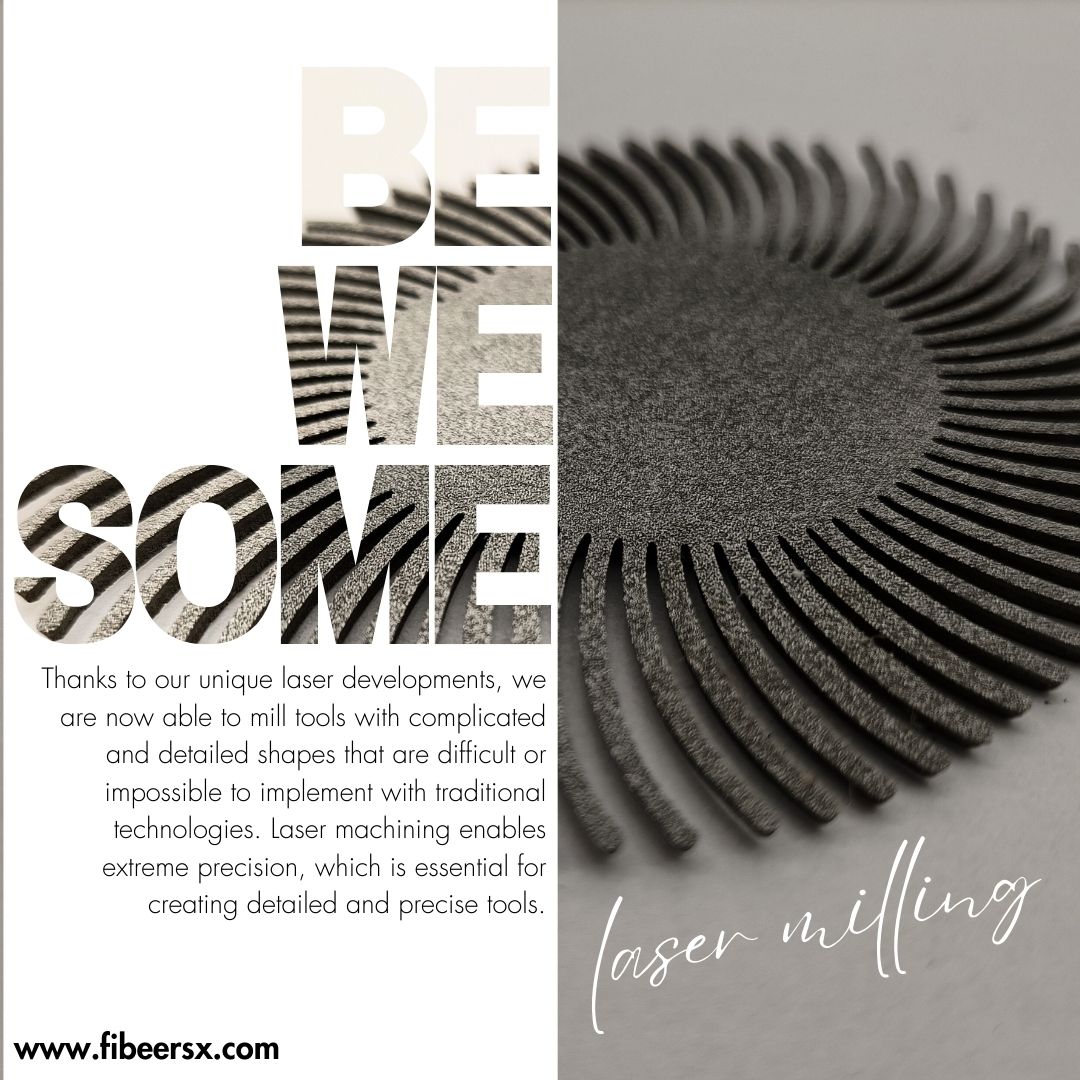
Thanks to our unique laser developments, we are now able to mill tools with complicated and detailed shapes that are difficult or impossible to implement with traditional technologies. Laser machining enables extreme precision, which is essential for creating detailed and precise tools.

milling

High precision: Laser milling enables material removal with micrometer precision, making it excellent for creating unique and complex shapes, for example for custom tools.

Non-contact machining: Since the laser beam works without contact, mechanical wear of the tools can be avoided, which results in a longer service life and does not cause deformation of the workpiece.

Flexible material processing: Laser milling technology is suitable for processing different materials, be it metal, plastic or composite material, so it offers a wide range of applications.

Fast and efficient: Laser machining can be faster than traditional methods, which means time and cost savings in the manufacturing process.

Creation of complex patterns: The laser can easily create complex patterns and shapes that are difficult or impossible to achieve with traditional milling technologies.