

How Does Color Laser Marking on Metals Work?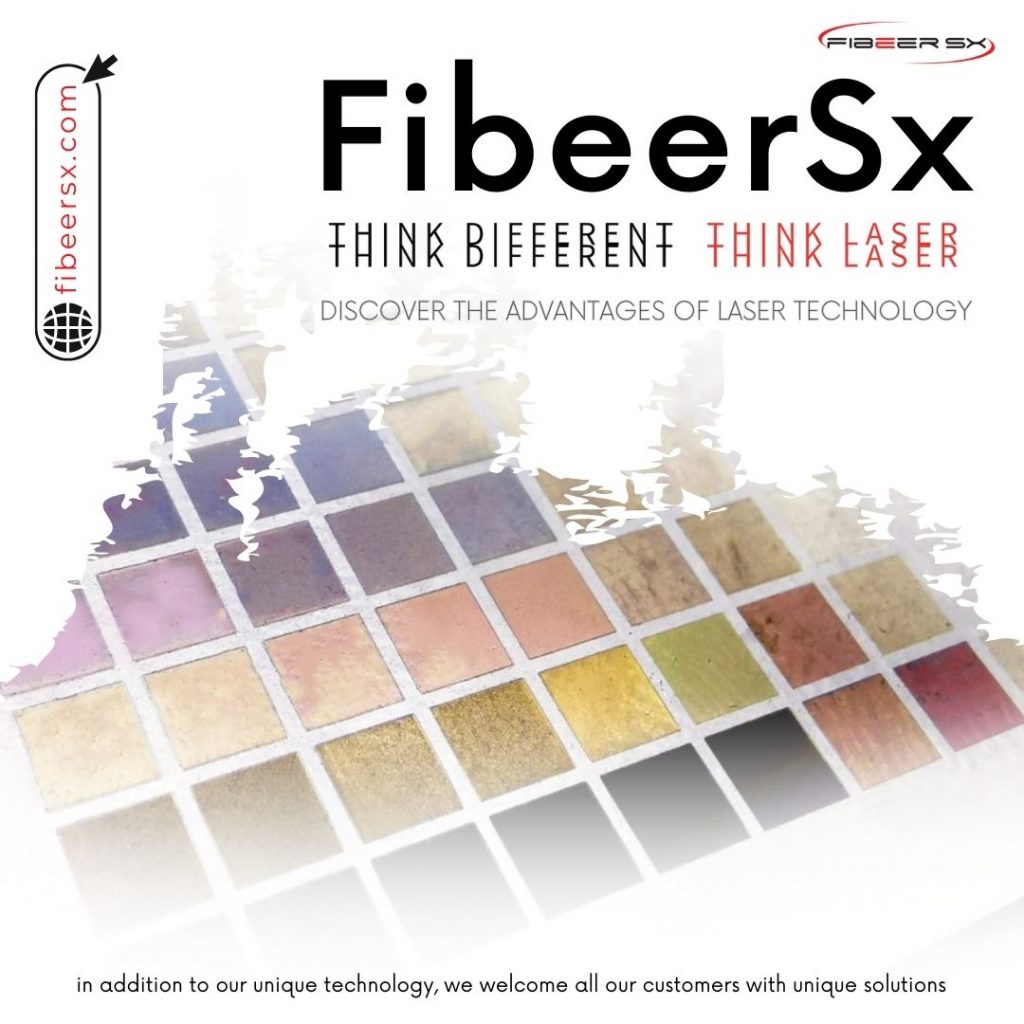
Use of a Laser Beam
The laser marking equipment emits a concentrated laser beam that can machine microscopic points on the metal surface. The heat and energy of the laser induce various chemical and physical reactions on the surface.
Creating Colors Using Different Methods
Oxidation: When certain metals, such as stainless steel, are treated with a laser, an oxide layer forms, which can result in different color shades. Different colors can be achieved by varying the thickness of the oxide layer and adjusting the laser parameters (e.g., intensity, speed, frequency).
Heat Treatment: The temperature changes produced by the laser can create various color shades on the metal surface. These color changes are caused by alterations in the crystal structure and surface of the metal due to heat.
Material Coatings: Special coatings are applied to some metals, which, after being treated with a laser, display different colors. These coatings can be oxide layers, paints, or other special materials.
Software Control: Laser marking is controlled by software, enabling precise and detailed realization of any pattern, text, or graphic. The software allows users to adjust the laser parameters to achieve the desired colors and patterns.
Applicable Metals
Stainless Steel: One of the most commonly used metals for color laser marking, capable of producing different colors through oxidation.
Titanium: Responds well to laser heat treatment, offering various shades.
Aluminum: Can be color-marked using special coatings and oxidation processes.
Copper and Brass: These metals can also be suitable for color marking, particularly when special coatings are applied



 Engineers with expertise
 Precision laser welding is a process that is extremely precise and controlled, allowing the welding of very thin or complex parts.
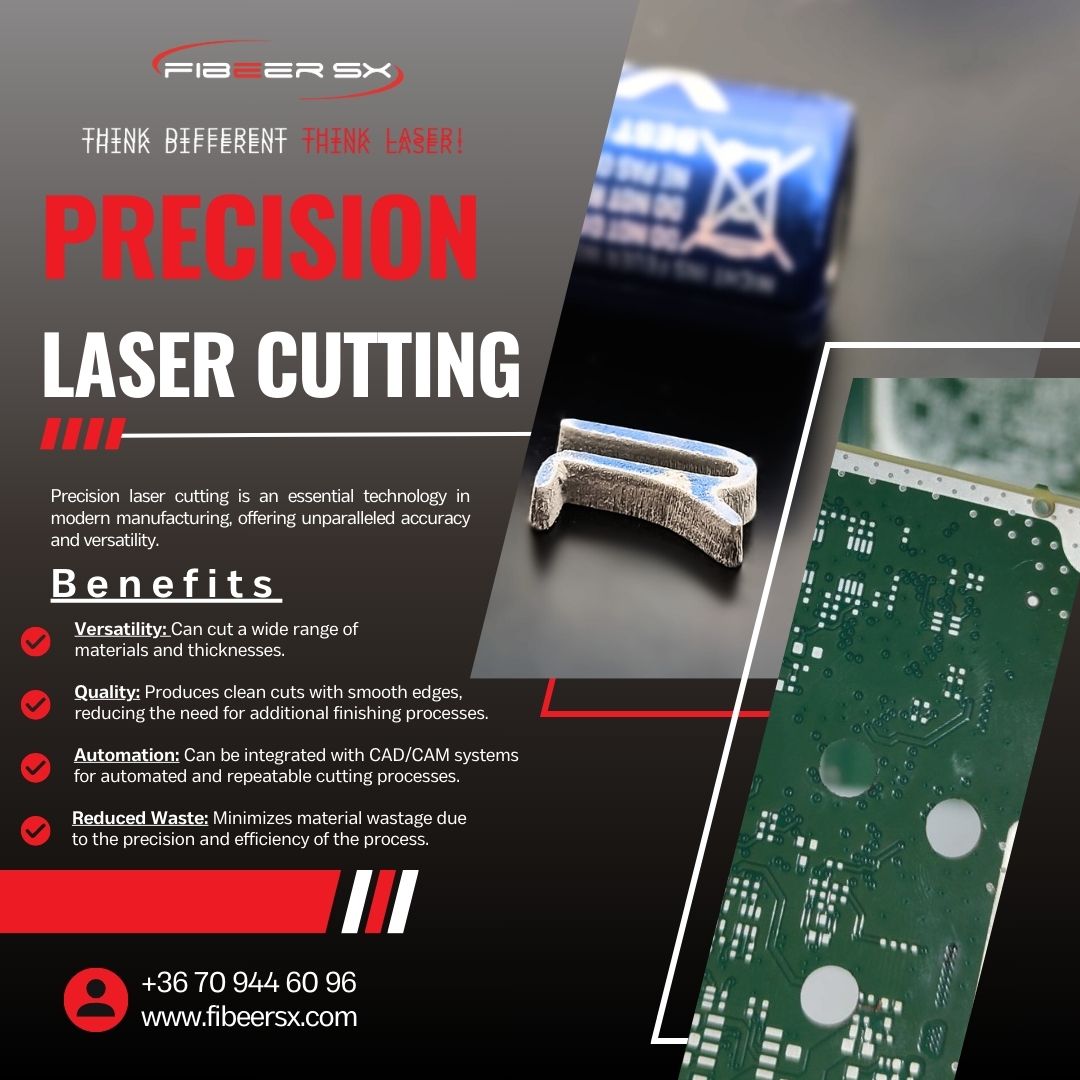
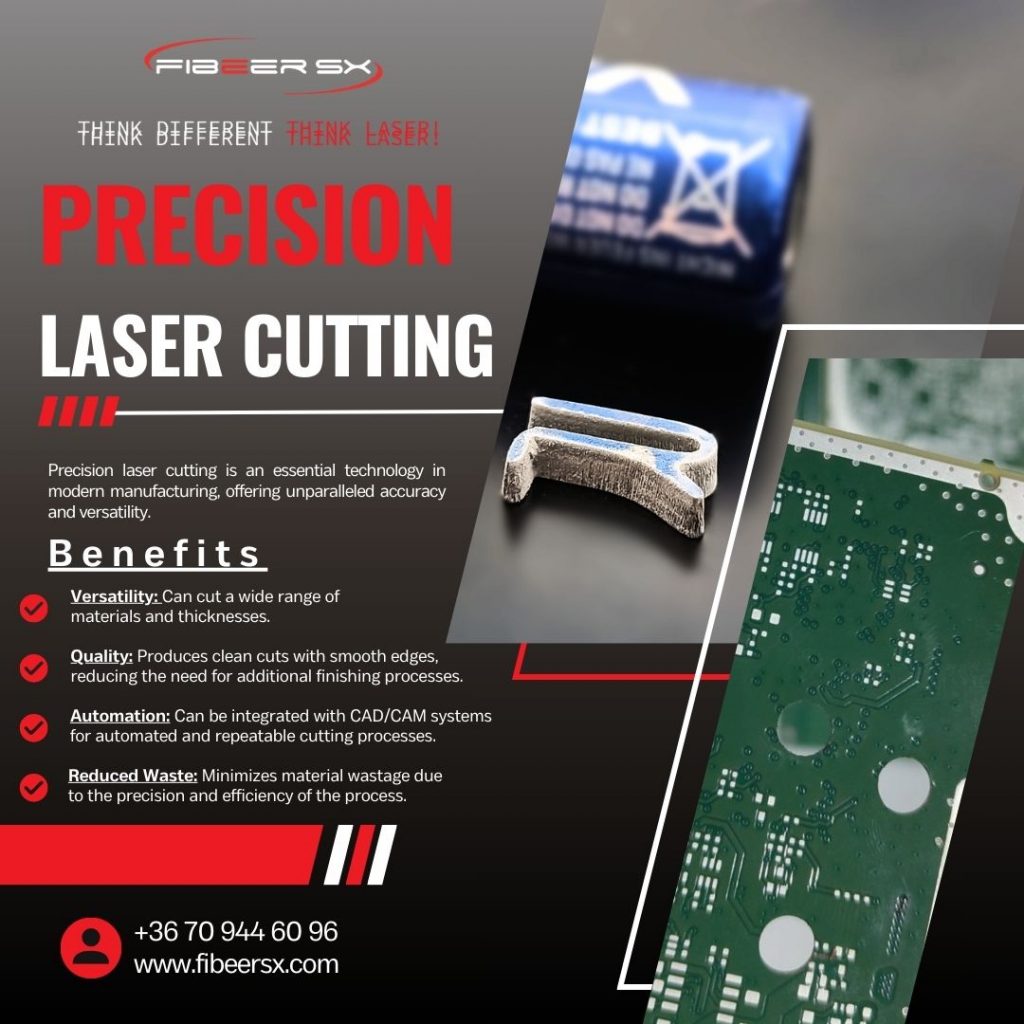 Precision laser cutting is an essential technology in modern manufacturing, offering unparalleled accuracy and versatility.
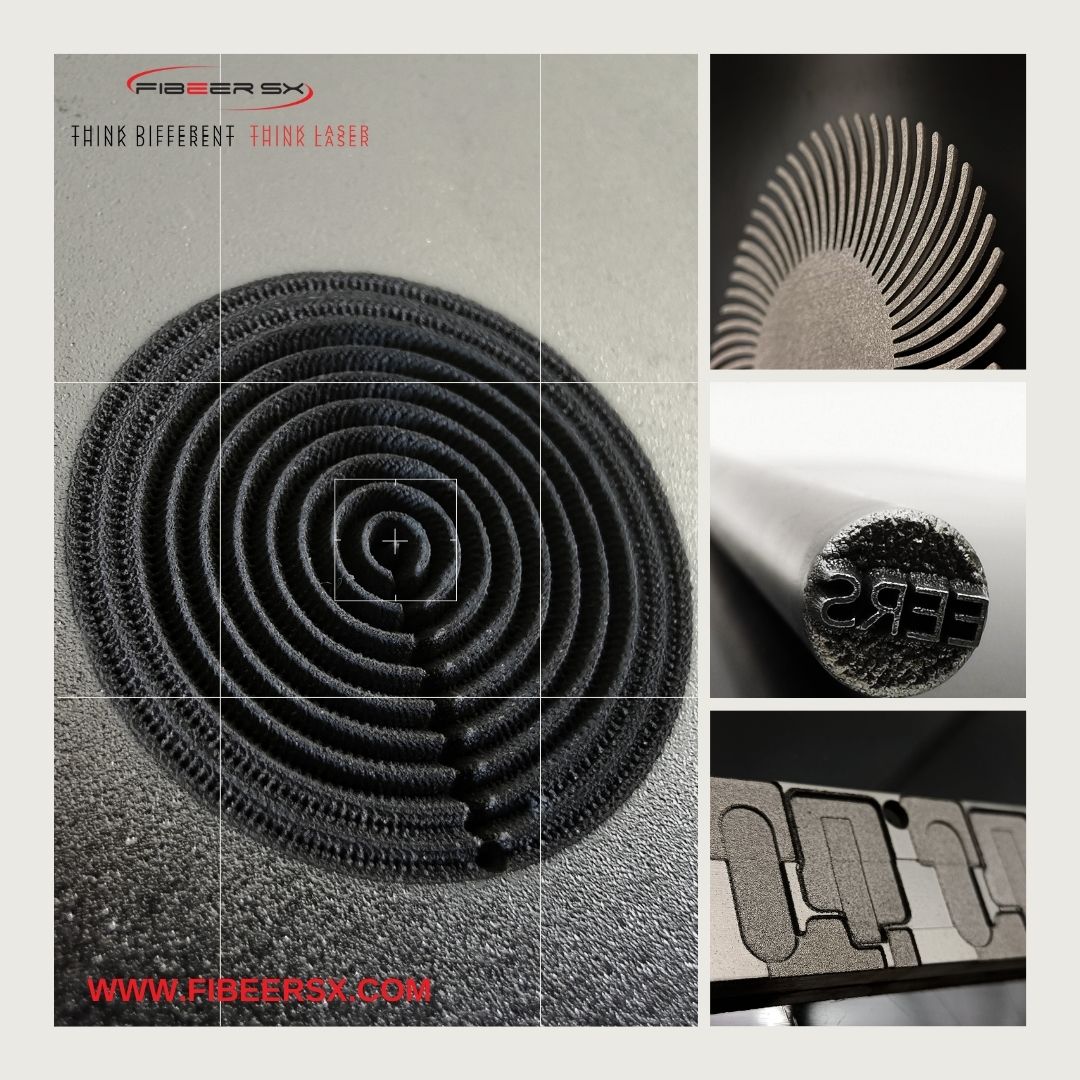
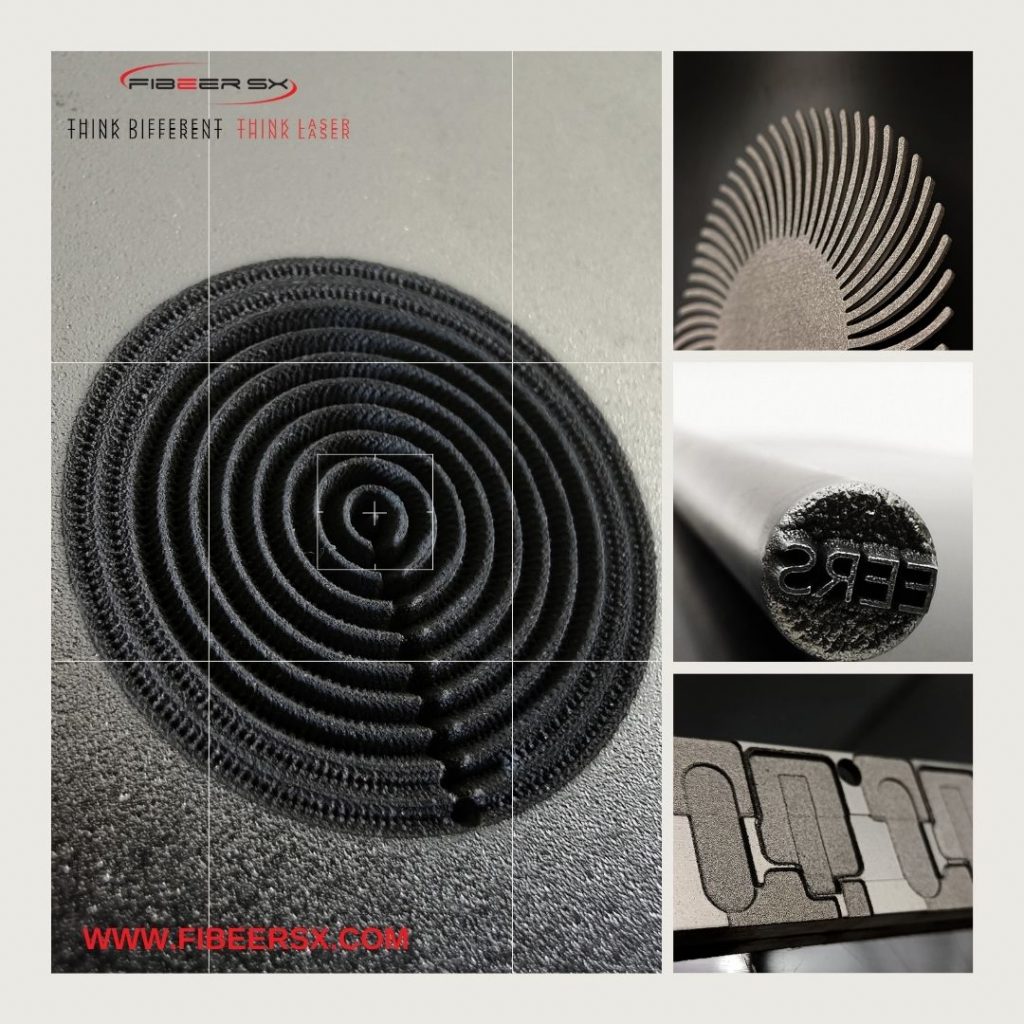 Laser milling is a modern processing technology that uses laser beams to remove material from the base material. During the process, we can create different patterns, shapes, inscriptions, we can even create differences in levels, because the laser cutter can trace the topology. Thanks to our unique development, we can also do 2D and 3D laser milling, and thanks to our program, we can also mill complex patterns and shapes. The technology also has many advantages over traditional milling technologies, especially precision, micron-accurate milling, speed and versatility.

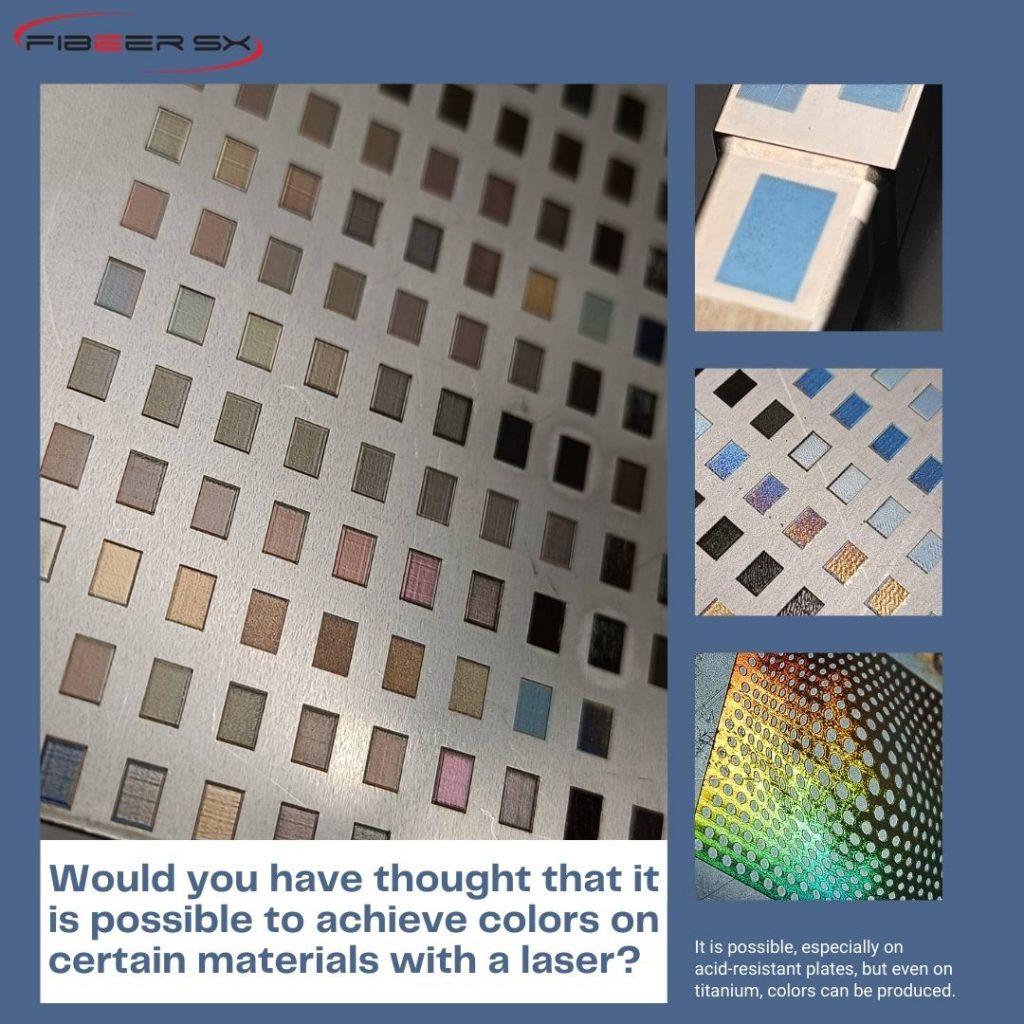 Color laser marking is not a widespread technology, but rather interesting from a design point of view. It is suitable for creating patterns and inscriptions in different colors. The colors can be created using several methods, all that is needed is the right raw material and setting. During the laser treatment of certain metals (e.g. stainless steel), an oxide layer is formed, which results in different shades of color.